Retro Explore — Discover classic retro games
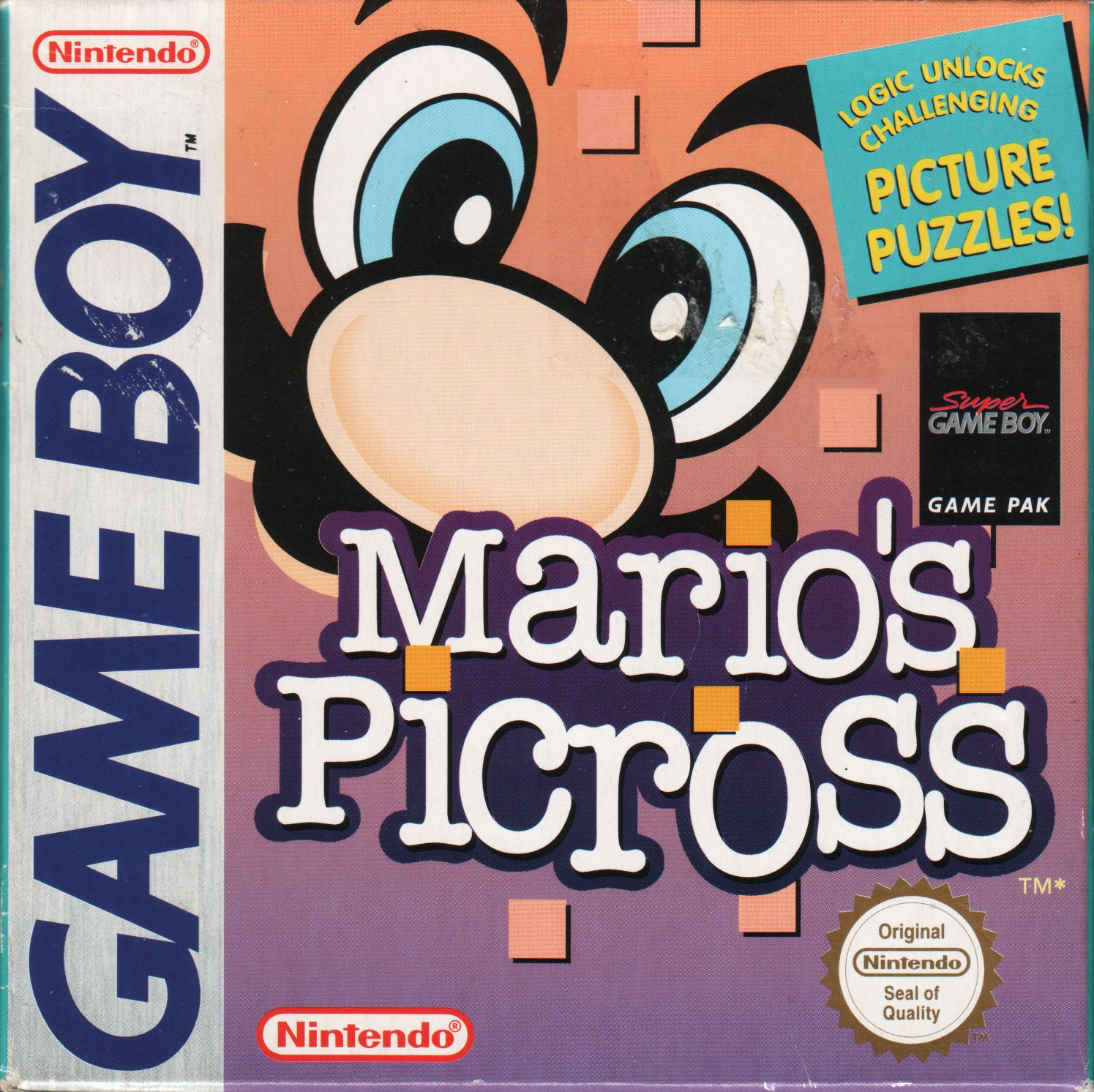
Mario's Picross
Nonograms are number puzzles where logic is used to find the solution. Clues are provided along the sides of the playfield grid, telling the player how many squares to fill in each row and column. With logic the player can figure out exactly which squares of the grid to fill. The thinking process is similar to solving Sudoku puzzles. Mario's Picross (from PICture CROSSword) is Nintendo's take on Nonograms. In this game, Mario takes on the role of an archaeologist who chisels away the squares in each playfield. The result is a small picture. There are 256 different puzzles to solve, divided into four courses with increasing difficulty level.
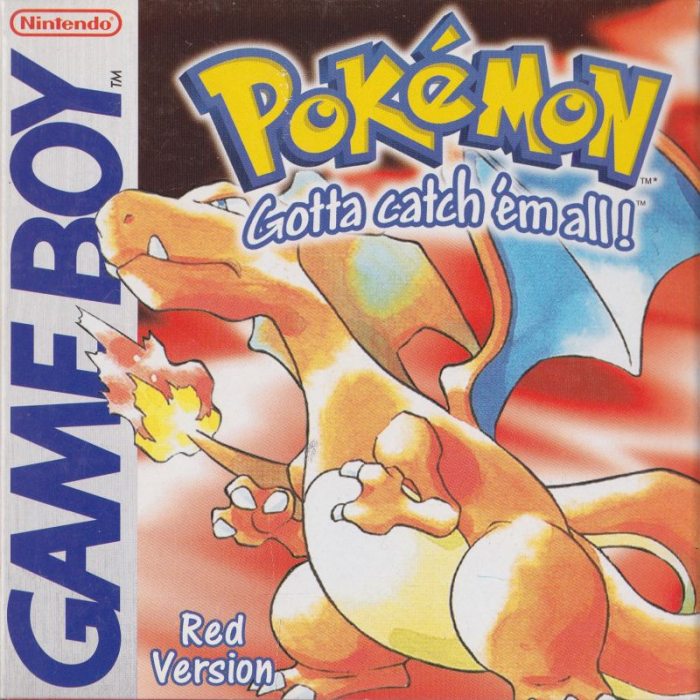
Pokémon : Red Version
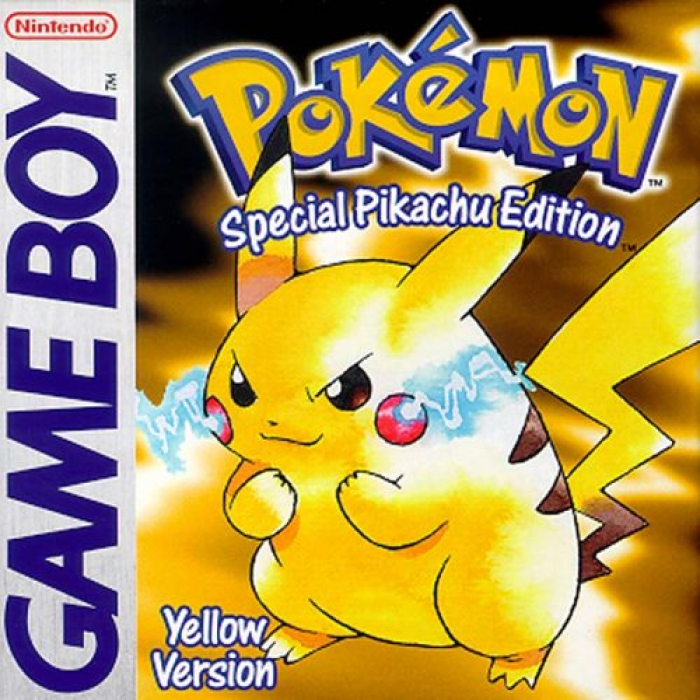
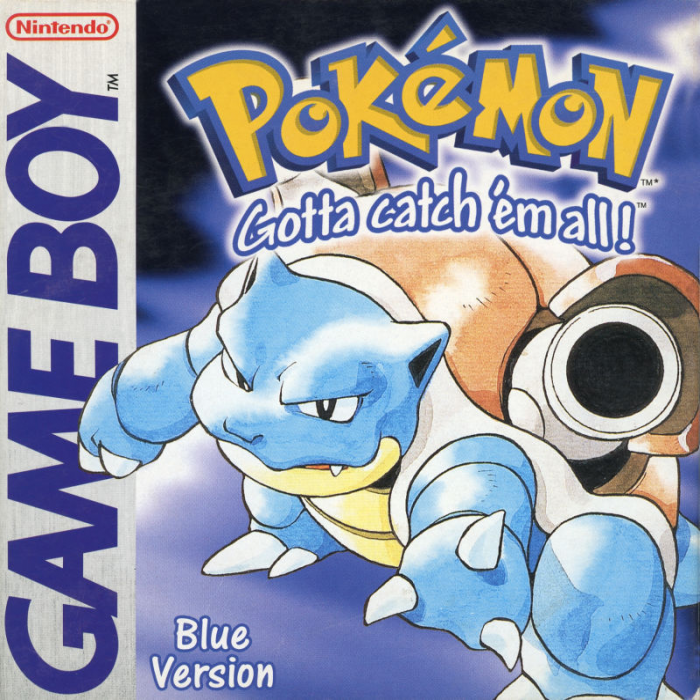
Pokémon: Red Version for Game Boy is a role-playing game developed by Game Freak and published by Nintendo. It began in Japan in 1996 as Pocket Monsters Red, with Pokémon Red Version reaching international territories in 1998 and 1999. As one half of the series’ first paired releases, it takes players to the Kanto region to build a team of Pokémon, challenge increasingly skilled Trainers, and work toward the Pokémon League. The adventure is presented from an overhead view, combining town-to-town exploration with menu-driven preparation and turn-based battles. The journey starts in Pallet Town, where Professor Oak gives the young player a first partner after an encounter with wild Pokémon. From there, routes, caves, seas, and settlements open up as the player progresses. Tall grass and other habitats contain wild creatures that can be weakened in battle and caught with Poké Balls. Captured Pokémon form a party of up to six, while additional catches can be stored for later use. Each species has its own types, statistics, moves, and growth patterns, making the choice of team an important part of moving through Kanto. Battles use a turn-based format in which the active Pokémon can select one of up to four learned moves, use an item, switch places with a teammate, or attempt to escape wild encounters. Victories award experience, allowing Pokémon to level up, improve their attributes, learn attacks, and in many cases evolve into new forms. Type matchups give battles another layer of strategy, so a well-timed switch can matter as much as a powerful move. Money, healing items, technical machines, and key items support the trip between Pokémon Centers, shops, dungeons, and story locations. Kanto’s main challenge is a circuit of eight Gym Leaders. Defeating each leader earns a badge and gradually opens the path toward the Indigo Plateau, where the Elite Four and the Champion await. Along the way, the player encounters a rival Trainer and disrupts the schemes of Team Rocket, an organization exploiting Pokémon for profit. The Pokédex gives the larger collecting goal: documenting the generation’s 151 Pokémon through catching, evolving, and trading. The region’s routes and optional areas encourage revisiting earlier places after gaining a needed item or Pokémon ability. Pokémon: Red Version is designed to complement Pokémon Blue Version rather than duplicate it completely. The versions have different encounter distributions, so completing the Pokédex requires exchanging certain Pokémon between two Game Boy systems. A Game Link Cable also supports head-to-head battles, turning a single-player campaign into a shared activity. That exchange system was central to the original release’s identity and established the collection, training, battling, and trading loop that became the foundation for later Pokémon games. For Game Boy players, Red remains the original Kanto chapter from which the long-running main series began.
Super Mario Land 2: 6 Golden Coins
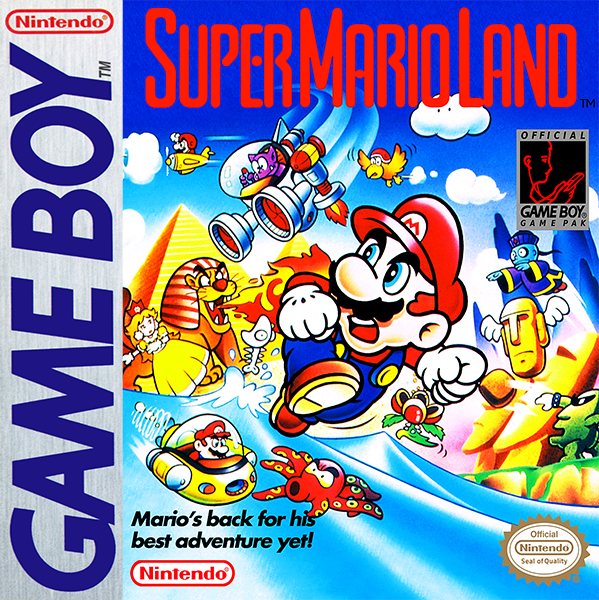
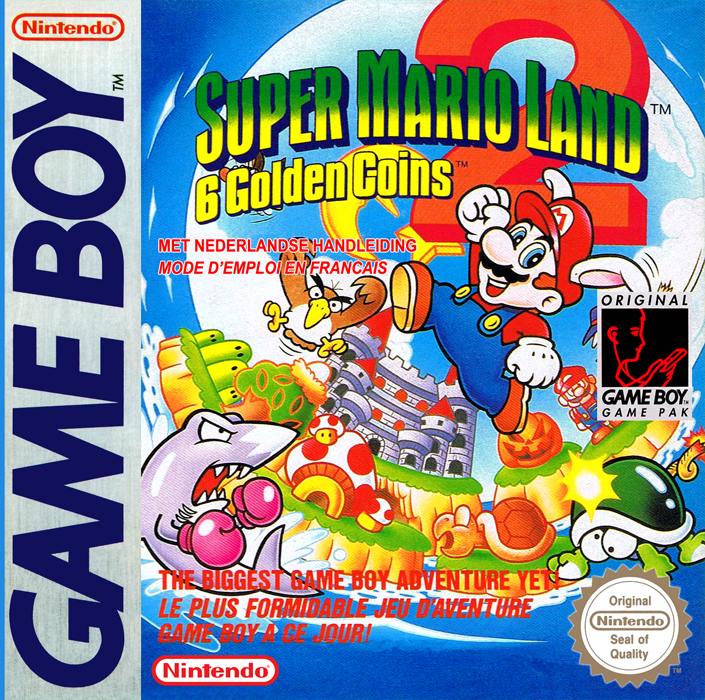
Super Mario Land 2: 6 Golden Coins is Nintendo’s 1992 Game Boy platformer and the direct follow-up to the original Super Mario Land. Developed and published by Nintendo, it brings Mario back to Mario Land after Wario seizes Mario’s castle and places the land’s inhabitants under a spell. The game is notable as Wario’s debut: Mario’s greedy new rival has scattered the six Golden Coins needed to open the castle gate, giving the adventure its central goal. Like other side-scrolling Mario games, each course asks players to guide Mario to an exit while avoiding hazards, finding blocks and items, and defeating enemies. The Game Boy’s Control Pad moves Mario, while the action buttons handle jumping and running; a precise jump remains the basic way to overcome foes and gaps. Super Mushrooms make Mario larger, Fire Flowers allow him to throw fireballs, and Stars grant temporary invincibility. A heart item adds an extra life, while coins can be spent in a bonus area for chances at lives and power-ups. The most distinctive new item is the Magic Carrot, which turns Mario into Bunny Mario. In that form, he can make higher jumps and slow his descent by using his ears, changing how players approach long drops and hidden routes. Super Mario Land 2 also lets Mario move left as well as right through its levels, and its courses have more vertical space than the first Game Boy entry. Clearing a stage means reaching its exit door; hitting the bell above it starts a bonus game. The cartridge saves progress, an especially useful feature for a portable game with many areas to revisit. Mario Land is arranged around a world map rather than a single fixed sequence. After the opening, players can tackle its six themed zones in their preferred order, from the unusual Macro Zone, where Mario appears tiny in an oversized setting, to the Space Zone and the underwater Turtle Zone. Many regular stages can be replayed, and alternate exits uncover secret levels. Each zone culminates in a boss guarding one Golden Coin. Collecting all six opens the route to Mario’s castle, where the campaign ends with a multi-stage confrontation against Wario. The Game Boy release shares familiar Mario series foundations—question blocks, pipes, Goombas, Koopa Troopas, power-ups, and secret paths—while using a structure closer to the larger contemporary home-console adventures than to its own predecessor. Its large character sprites and varied zones make each stop on the map feel different despite the original Game Boy’s monochrome screen. Nintendo later reissued Super Mario Land 2: 6 Golden Coins for Nintendo 3DS Virtual Console, preserving the original Game Boy game for another generation. More importantly for the wider series, Wario’s introduction here led directly to Wario Land: Super Mario Land 3 and established a character who would become a regular part of Mario games.