Retro Explore — Discover classic retro games
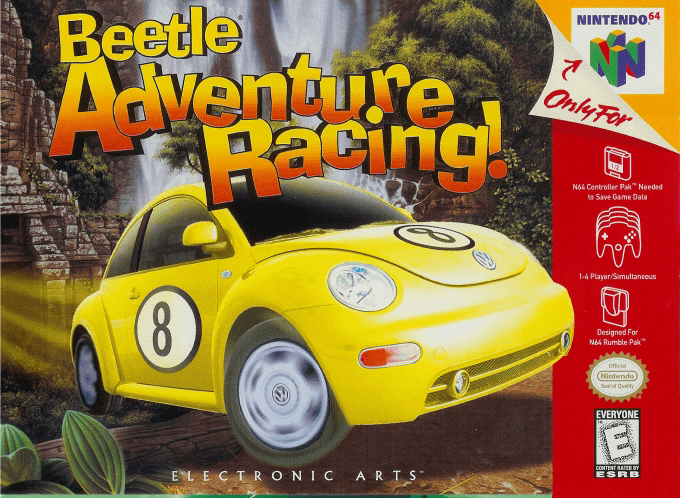
Beetle Adventure Racing!
Take control of a collection of the latest Volkswagen Beetle "2.0" models (from street type to off-road designs) and race across varying road types that will test your speed and endurance (each track taking up to 4 minutes to complete from one end to another). Find shortcuts or use nitro boosts to get to the end first in order to move on to the next track. If the computer AI is to easy for you, battle against a friend in two player race mode. Up to 4 people can also play a special Battle Mode challenge, with added abilities including weapons (from mines and rockets to magical elements) while collecting the flag and finding the exit.
Super Mario 64
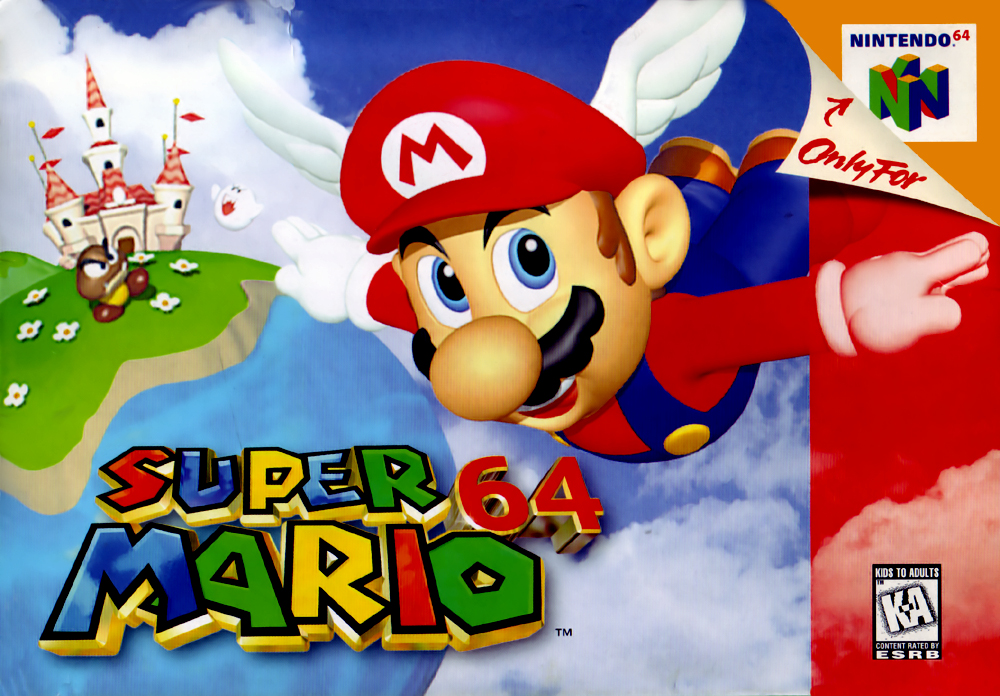
Super Mario 64 brings Mario’s Mushroom Kingdom into a fully three-dimensional adventure on Nintendo 64. Released in North America on September 26, 1996, this original cartridge sends Mario to Princess Peach’s Castle after Bowser steals its Power Stars and seals them inside the worlds beyond the castle’s paintings. The familiar rescue mission becomes an open-ended treasure hunt: explore the castle, find the entrances to new courses, and earn enough Stars to push deeper toward Bowser. Peach’s Castle is more than a backdrop. It is the game’s central hub, full of locked doors, hidden passages, and paintings that serve as gateways to far-flung worlds. Each course is built for repeat visits, with different Star missions that ask Mario to reach a summit, race a rival, uncover a secret, collect red coins, or solve a platforming challenge from another route. Finding all 120 Power Stars reveals just how much the castle and its surrounding grounds are hiding. Mario’s moveset gives the adventure its remarkable sense of freedom. The Nintendo 64 Control Stick lets him walk, run, turn, and adjust his speed with precise analog movement, while the A Button handles jumps and the B Button covers attacks and interactions. He can punch, kick, dive, crouch, crawl, climb, swim, carry objects, and chain together acrobatic moves including the double jump, triple jump, long jump, backflip, and wall kick. Learning when to slow down, build momentum, or change direction in midair is as important as spotting the next ledge. The courses make the most of those abilities. Bob-omb Battlefield introduces wide slopes, cannons, and a mountain-top showdown, while later worlds turn water, ice, lava, shifting sand, and enormous vertical spaces into their own kinds of obstacle courses. Mario can grab Bowser by the tail and swing him toward bombs, soar with the Wing Cap, vanish through barriers with the Vanish Cap, and become heavy and invulnerable with the Metal Cap. Every environment encourages experimentation, whether that means following a mission’s obvious path or looking for a shortcut tucked behind the scenery. Camera control is part of the original Nintendo 64 experience. Lakitu films Mario’s journey from a third-person view, and the C Buttons allow players to reposition or cycle the camera to better line up jumps and inspect nearby terrain. Mario Cam offers a closer first-person look for searching the environment. The camera’s behavior is deliberately tied to the space around Mario, so learning to work with its angles becomes one more skill alongside running, jumping, and judging distance. Underwater areas add another layer of exploration. Mario can paddle through submerged ruins and pools, but his health meter also serves as his air supply while he is below the surface. Coins and air bubbles help keep him going, and surfacing restores his breath. Elsewhere, spinning Hearts recover health, enemies guard Stars, and the castle’s many secrets reward players who revisit familiar rooms with new movement skills and a sharper eye for unusual walls, doors, and platforms. This is the original single-player Nintendo 64 version of Super Mario 64, focused on Mario alone and controlled with the N64’s analog stick and C Buttons. It is not Super Mario 64 DS, the Nintendo DS remake that adds playable characters and additional content, nor is it one of the later re-releases. The heart of this 1996 version is its compact but densely connected castle, its 15 main courses, and the joy of discovering how many different ways Mario can move through them. For players returning to a defining Nintendo 64 classic or discovering it for the first time, Super Mario 64 remains a wonderfully direct adventure. Its goals are easy to understand—find Stars, open doors, stop Bowser, rescue Peach—but every course turns that simple premise into a playground of routes, risks, and small revelations. One moment you are making a careful leap across a narrow platform; the next you are launching from a cannon, racing across a rooftop, or diving through a painting in search of one more Star.
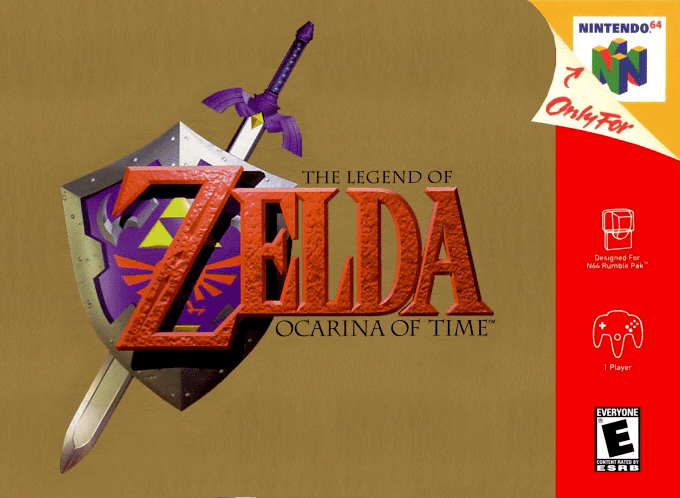
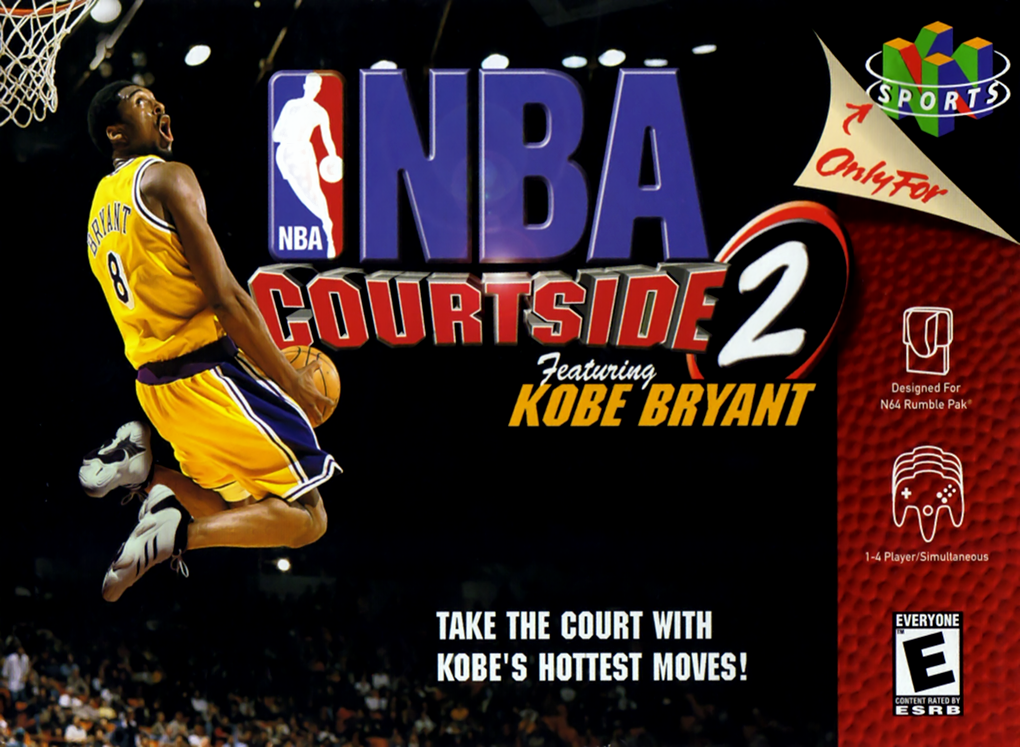
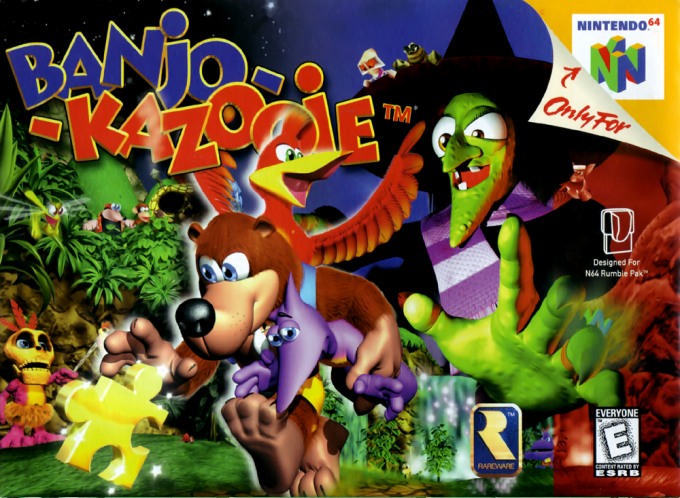
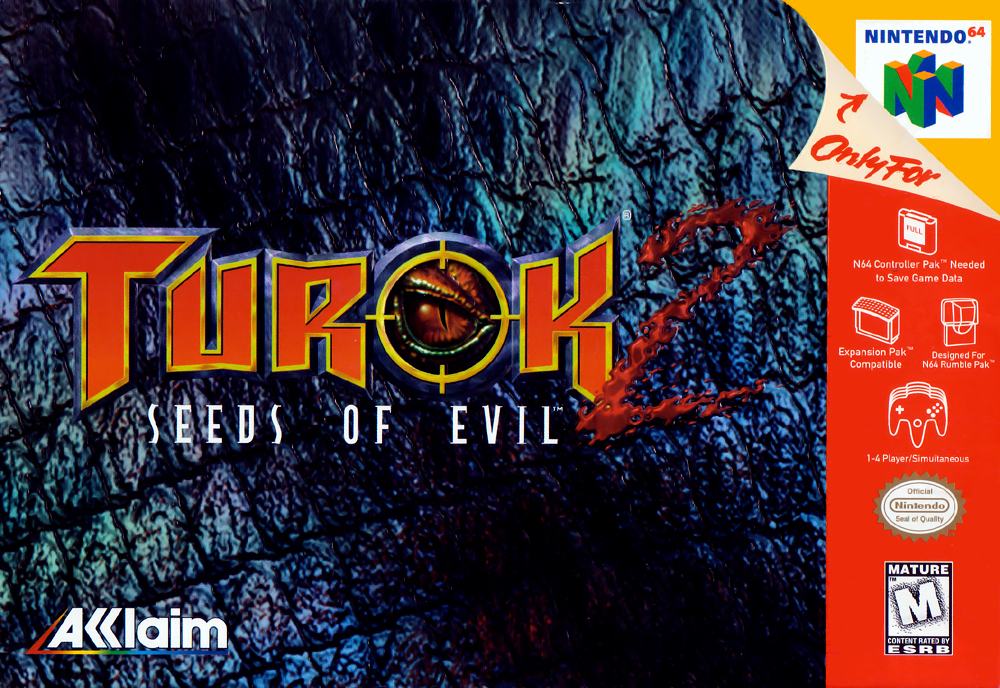


The Legend of Zelda : Majora's Mask
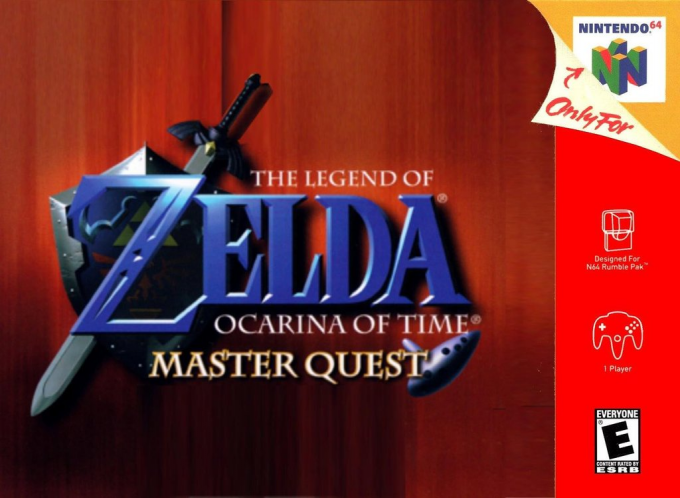
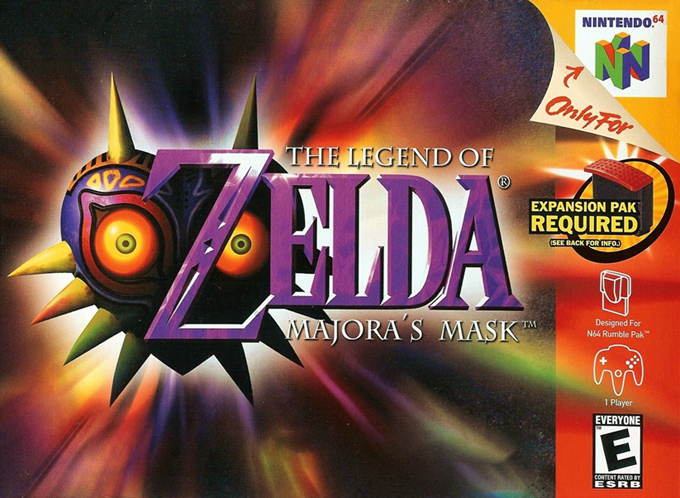
The Legend of Zelda: Majora's Mask for Nintendo 64 is Nintendo's 2000 action-adventure follow-up to Ocarina of Time. Developed and published by Nintendo, it sends Link away from Hyrule and into Termina, a world facing disaster: a huge moon is due to fall in three days. After Skull Kid steals the Ocarina of Time and leaves Link cursed in Deku form, the quest becomes a race to recover Majora's Mask, restore Link, and prevent the catastrophe before the Carnival of Time. Majora's Mask uses the third-person exploration, sword combat, item use, dungeon puzzles, and Z-targeting familiar from its Nintendo 64 predecessor. Link can defend with his shield, use tools such as bombs, arrows, and the Hookshot, and build his inventory as new routes and obstacles appear. The game rewards observing the world closely. Its four main regions lead to temples with enemies, puzzles, bosses, and trapped Great Fairies, while Clock Town serves as the busy central hub from which Link follows leads in every direction. The Ocarina of Time gives the adventure its distinctive structure. A complete three-day cycle lasts 72 in-game hours, and events unfold according to the clock. Playing the Song of Time takes Link back to the first morning, preserving major equipment, masks, songs, and dungeon progress while returning many local events to their starting point. Other melodies can slow time, move ahead to a chosen morning or evening, or help Link travel between activated owl statues. This turns conversations, schedules, and repeated visits into useful parts of exploration rather than simple background detail. Masks are equally central to Majora's Mask. Link can collect masks through story progress and optional tasks, and several transform him into forms with different movement and combat abilities. Deku Link can use Deku Flowers to launch into the air and skim across water; Goron Link rolls at speed, strikes heavily, and can cross lava; Zora Link excels in water, swimming quickly and using boomerang-like fins. Other masks offer situational benefits, from finding stray fairies to running faster, and the ways Termina's inhabitants react can open new solutions. The setting gives the Nintendo 64 game a strong sense of place. Beneath the approaching moon, the people of Clock Town and the surrounding swamp, mountain, coast, and canyon areas continue with their own concerns. Link's companion Tatl, Skull Kid, the Happy Mask Salesman, and the Four Giants all figure into the main journey, while many side stories depend on being in the right place at the right time. The Bomber's Notebook helps record people and appointments, making it easier to track the interconnected tasks that unfold across successive cycles. Majora's Mask was released for Nintendo 64 shortly after Ocarina of Time and uses an enhanced version of that game's technology, including a requirement for the Nintendo 64 Expansion Pak. It is a single-player adventure whose time loop and transformation system set it apart within the series. Nintendo later brought the original game to GameCube, Wii and Wii U Virtual Console services, and Nintendo Classics, while a separate Nintendo 3DS remake, The Legend of Zelda: Majora's Mask 3D, arrived in 2015. The Nintendo 64 original remains the version built around its Expansion Pak hardware and its unusual three-day countdown.