About
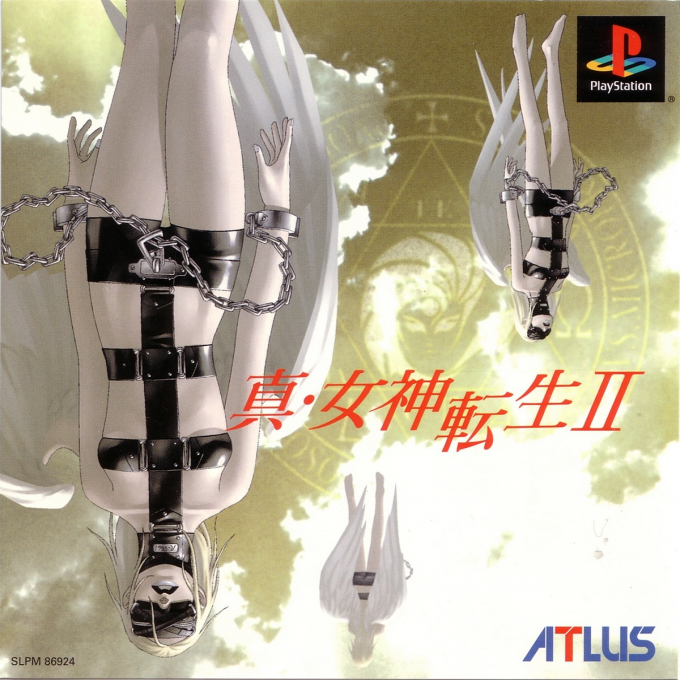
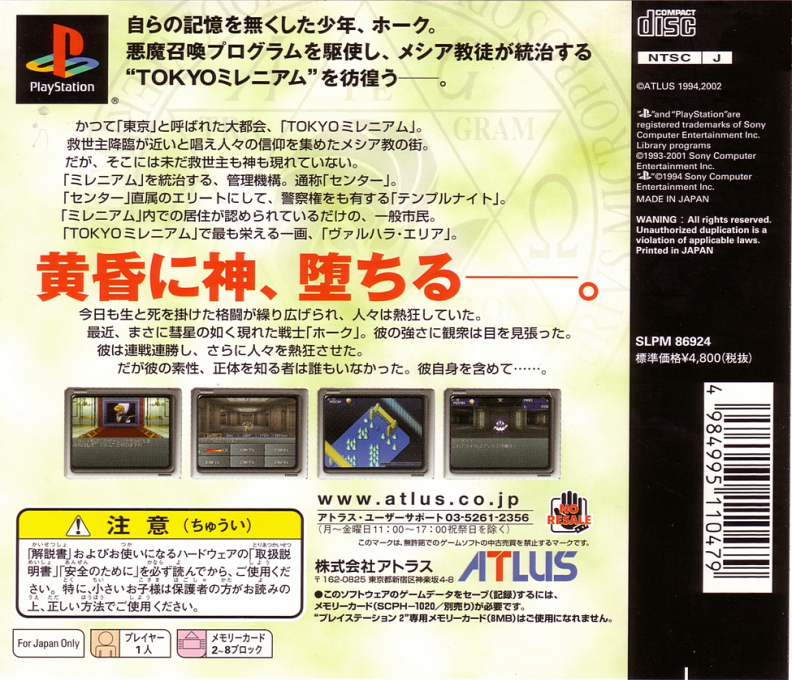
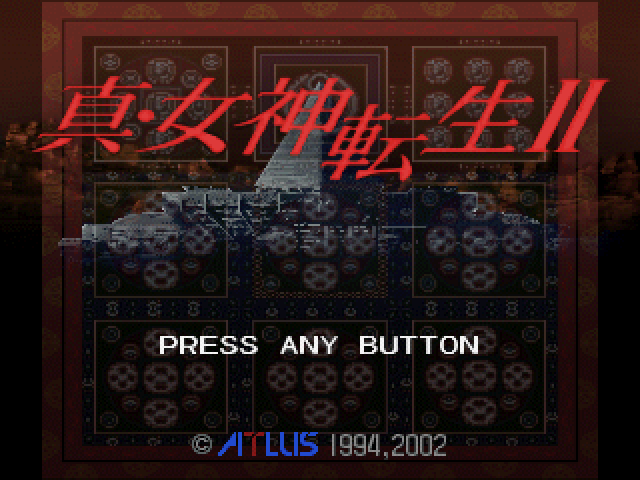
Shin Megami Tensei II for PlayStation is Atlus’s post-apocalyptic role-playing game, released in Japan on March 20, 2002. This PlayStation edition revisits the second main Shin Megami Tensei adventure, which first appeared on Super Famicom in 1994. Set decades after the original Shin Megami Tensei, it moves the series into Tokyo Millennium, a sealed city built over the remains of Tokyo after catastrophe has made the outside world hostile. Atlus combines a bleak future setting, religious and mythological imagery, and a branching role-playing story in a single-player journey where the player’s decisions carry lasting weight.
The story begins in Valhalla, one of Tokyo Millennium’s harsh districts. The protagonist is an amnesiac fighter who survives by competing in the city’s gladiatorial arena under the guidance of Okamoto. Victory offers a route toward citizenship in the privileged Center, but a seemingly simple climb out of Valhalla soon exposes the rigid order governing the city. The hero becomes entangled with Temple Knights, Messian authorities, rival claimants to salvation, and people who question who is truly meant to shape humanity’s future. Familiar Shin Megami Tensei themes of authority, freedom, survival, and belief drive the conflict without requiring knowledge of the previous game.
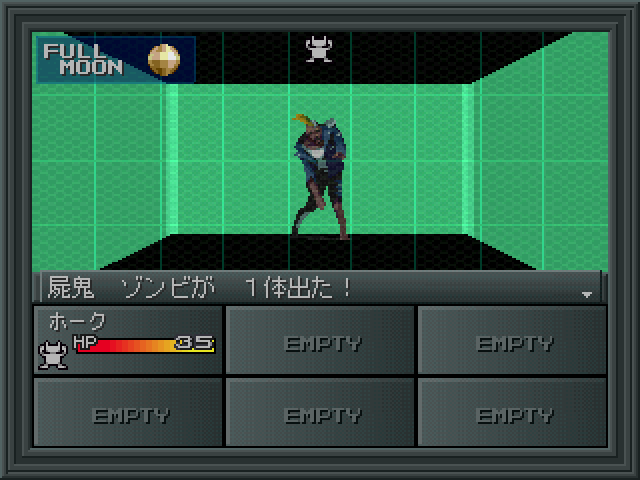
Exploration alternates between first-person dungeon movement and a top-down view of larger outdoor areas. Tokyo Millennium’s districts, underground routes, sanctuaries, and ruined spaces contain encounters, shops, terminals, story scenes, and dangerous demons. Random battles use a turn-based system, asking players to manage the protagonist’s weapons, armor, magic, items, and a party of summoned allies. Guns and swords give the human lead different attack options, while demon skills create tactical choices around elemental damage, support abilities, and enemy weaknesses.
Negotiation is central to Shin Megami Tensei II on PS1. Instead of attacking every enemy, the player can talk to demons and try to persuade them to join the party. Conversations can demand money or items, turn on a demon’s personality, and change according to circumstances such as the moon phase; at a full moon, negotiation is unavailable. Recruited demons can be called into battle through the protagonist’s terminal, but they are not merely disposable allies. Their individual affinities and abilities make party construction an important part of preparing for difficult areas and bosses.
The Cathedral of Shadows fusion system lets players combine recruited demons to create new ones. Fusions can produce stronger or more specialized partners, and the resulting demon may inherit useful abilities from those used in the process. The game also includes the possibility of unexpected fusion results, adding an element of uncertainty to experimentation. Players can further develop their forces while deciding which demons to keep, combine, or replace, giving the long dungeon-crawling structure a strategic layer beyond level gains alone.
As in the first Shin Megami Tensei, moral alignment affects the adventure. Choices made through the story move the protagonist toward Law, Chaos, or Neutrality, shaping relationships with factions and influencing the route to the ending. This system connects the game’s battles and demon alliances to its larger questions about what kind of world should emerge from Tokyo Millennium’s ruins. The PlayStation version belongs to a line of Japanese rereleases that later also included a Game Boy Advance port, preserving a foundational 1990s Atlus RPG whose demon negotiation, fusion, dark urban fantasy, and player-directed moral paths became enduring pillars of the Shin Megami Tensei series.
Gallery
Details
- Developer
- Atlus
- Publisher
- Atlus
- Genre
- JRPG
- Players
- 1
- Release Date
- March 20, 2002
- System
- PS1