About
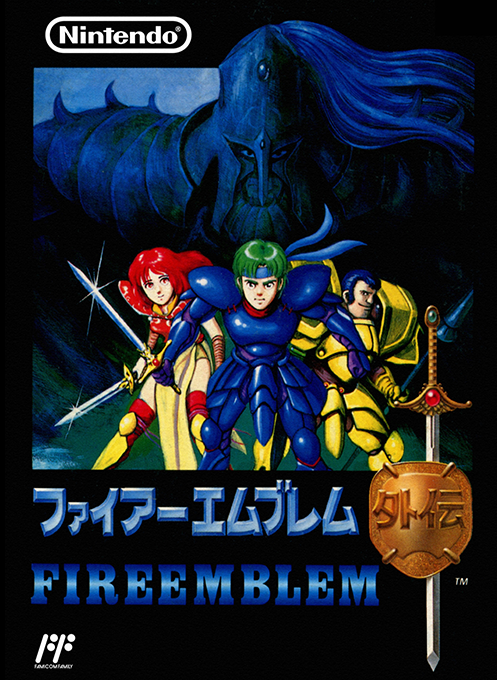
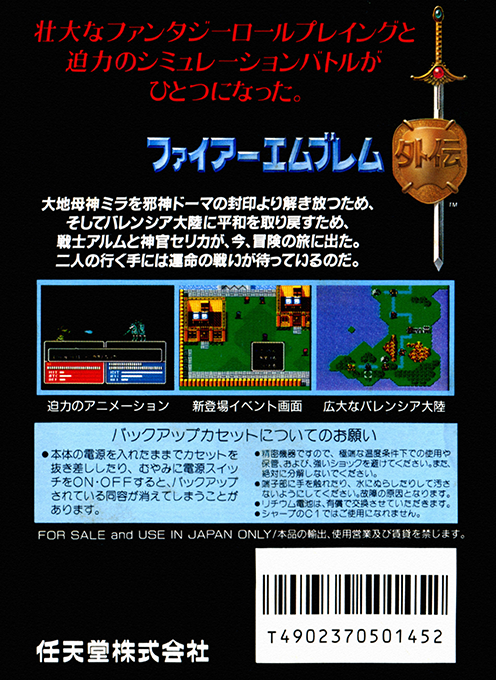
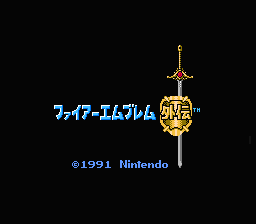
Fire Emblem Gaiden for the Famicom is a 1992 tactical role-playing game developed by Intelligent Systems and published by Nintendo in Japan. Released on March 14, it is the second entry in the Fire Emblem series and the final original installment built for Nintendo's 8-bit Family Computer. The adventure moves the series away from a single uninterrupted military campaign and onto the continent of Valentia, where two childhood friends, Alm and Celica, lead separate forces through a crisis that reaches from the Kingdom of Zofia to the Rigel Empire.
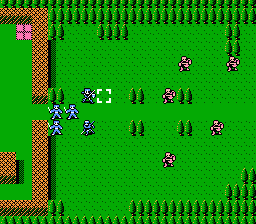
At its center, Fire Emblem Gaiden uses turn-based battles on grid-based maps. A player moves a party of individual units—soldiers, archers, riders, magic users, and other class types—then lets the opposing side take its turn. Positioning, movement range, weapon choice, and the traits of each class shape how a battle unfolds. A map is normally cleared by defeating its enemy force or its key commander. When units clash, the game shifts to a close-up battle display to resolve attacks, counters, damage, and experience gains, giving each exchange a more immediate presentation than the overhead map alone.
The campaign is divided between Alm's and Celica's armies. Their routes can be guided across a world map, adding travel and choice between encounters rather than chaining every battle directly to the next. Towns provide places to speak with people, recruit allies, and handle items, while other destinations lead to combat or dungeon exploration. As the story advances, new locations become available and the two groups approach the wider conflict from different directions. That paired-protagonist structure makes the changing roster and the distinct goals of each force central to the game's progression.
Character growth is another defining part of Fire Emblem Gaiden. Units earn experience through battle and improve as they gain levels, while many characters can change into stronger classes after meeting the necessary requirements. Alm and Celica have their own prominent promotions, but the system also lets the wider army evolve over the course of the campaign. Magic is tied to a character's development: magical units learn spells by leveling, and casting uses some of the caster's health. These rules make the composition and long-term development of each army as important as the immediate tactical problem on a battlefield.
Valentia's story is framed by the opposing ideals of the gods Mila and Duma and by the political turmoil their nations have inherited. Alm begins as a village youth drawn into resistance against a coup in Zofia, while Celica pursues answers after the disappearance of Mila threatens the land. Their separate journeys eventually reveal the larger danger facing the continent. The game is a follow-up to Fire Emblem: Shadow Dragon and the Blade of Light, but its setting, dual leads, world map, towns, and more overt role-playing elements give it a noticeably different rhythm from its predecessor.
Fire Emblem Gaiden originally remained a Japanese release, though Nintendo later made the Famicom version available in Japan through Virtual Console services for Wii, Nintendo 3DS, and Wii U. Its ideas did not simply vanish after the 8-bit era: later Fire Emblem games revisited concepts such as class advancement and traveling between battles, and the story of Alm and Celica was reimagined for Nintendo 3DS as Fire Emblem Echoes: Shadows of Valentia in 2017. For the original Famicom library, Gaiden stands as an early Fire Emblem experiment that combines squad tactics with a two-party quest across an unusually broad fantasy world.
Gallery
Details
- Developer
- Intelligent Systems
- Publisher
- Nintendo
- Genre
- Tactical RPG
- Players
- 1
- Release Date
- March 14, 1992
- System
- NES