About
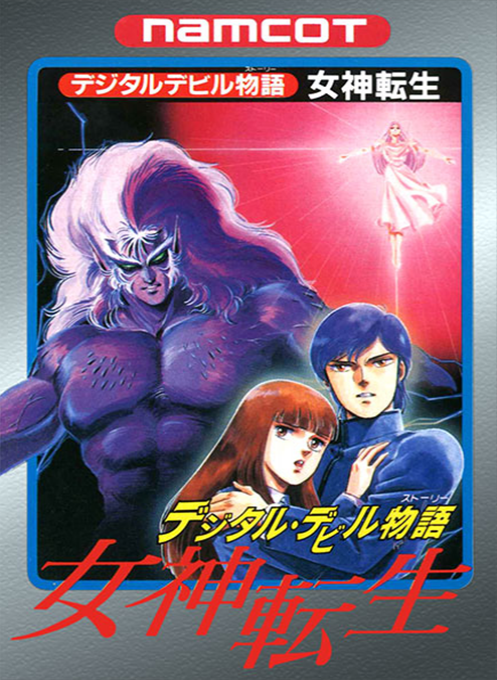
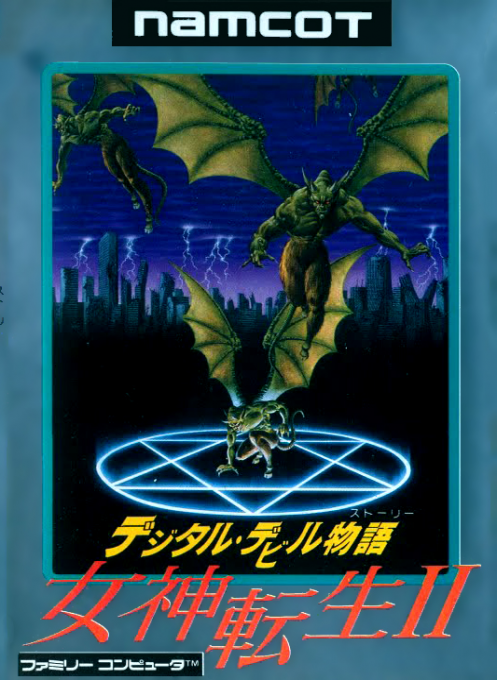
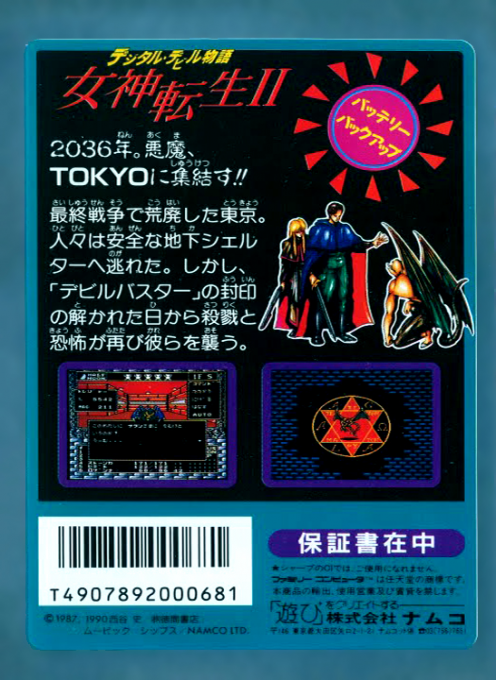
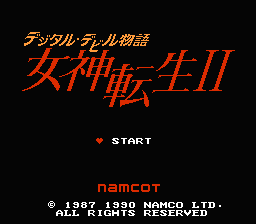
Digital Devil Story: Megami Tensei II is a post-apocalyptic role-playing game for Nintendo’s Famicom, developed by Atlus and published in Japan by Namcot on April 6, 1990. The second Famicom entry in the Megami Tensei series follows the earlier Digital Devil Story: Megami Tensei, but tells a new, original story rather than directly adapting Aya Nishitani’s novels. Set decades after nuclear devastation has scarred Japan and opened a route for demons to enter the human world, it combines science-fiction ruin, mythology, and a turn-based dungeon-crawling RPG structure.
The adventure begins in an underground shelter, where the Hero and his friend are drawn into events surrounding a game called Devil Busters. A demon named Pazuzu gives the pair unusual powers and sends them beyond the bunker into a shattered Tokyo. The journey eventually brings them into conflict with rival demonic powers, religious factions, and questions about who should shape the rebuilt world. Its setting moves between surviving settlements and a hostile wasteland, while the story’s choices lead the player toward different outcomes.
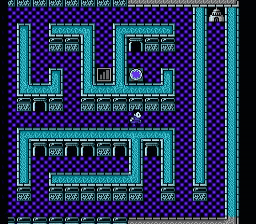
Exploration alternates between an overhead field view and first-person labyrinths. Towns provide places to gather information, buy supplies, and prepare for the next expedition, while dungeons place the party in grid-based corridors full of random encounters. Battles are turn-based, with party members able to attack, use magic, employ items, or attempt other actions. Victories provide money, items, experience, and points that can be assigned to the Hero’s attributes, allowing players to decide how to develop areas such as physical ability and magic.
Demons are not solely enemies in Digital Devil Story: Megami Tensei II. During encounters, the party can attempt conversations to end a fight or persuade certain demons to join them. Recruited demons expand the party’s options in combat, and the game also lets players combine two demons at a dedicated facility to create another. The result inherits abilities from its components, making recruitment and fusion central to building a group suited to the threats ahead. Moon phases also affect demon behavior, adding another condition to negotiations.
The Famicom game builds on the first title’s first-person role-playing foundation by using a top-down overworld between its dungeon areas. It was released on a 4-megabit cartridge and remained a Japanese release; it was not officially localized outside Japan. Later versions should not be confused with this original: Opera House developed the 1995 Super Famicom compilation Kyūyaku Megami Tensei, which paired remade versions of the first two games with revised visuals and gameplay, while mobile adaptations arrived years later.
Megami Tensei II also occupies an important place in Atlus history. It was the final Famicom game published by Namco in this branch of the series before Atlus went on to develop and publish Shin Megami Tensei for Super Famicom in 1992. Its blend of demon negotiation, party construction through fusion, moral decisions, and an apocalyptic modern-Japan setting established ideas that would continue to define later Megami Tensei games and their many related series.
Gallery
Details
- Developer
- Atlus
- Publisher
- Namcot
- Genre
- JRPG
- Players
- 1
- Release Date
- April 6, 1990
- System
- NES

/Urusei_Yatsura_Lum_no_Wedding_Bell.png)