About
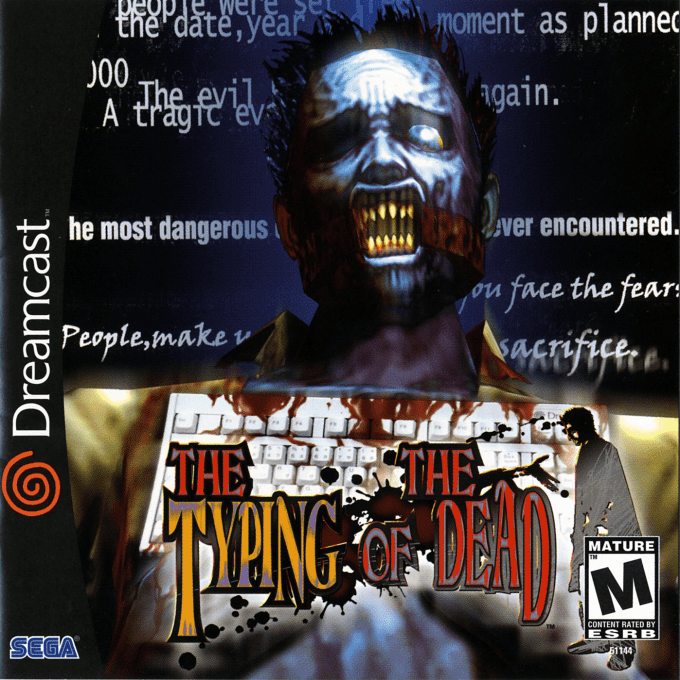
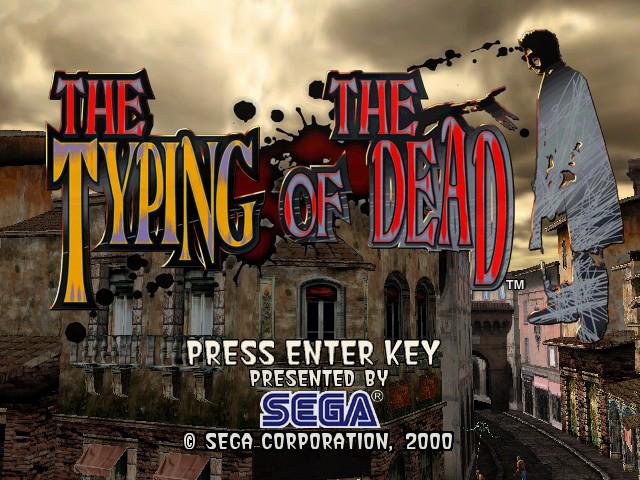
The Typing of the Dead for Dreamcast is Sega’s unlikely 2001 conversion of the arcade horror shooter The House of the Dead 2 into a fast, keyboard-driven action game. The North American Dreamcast edition arrived on January 23, 2001, following a Japanese Dreamcast release in 2000 and the original Japanese arcade machine. Sega published the game; the arcade project came from WOW Entertainment, while the home conversion is associated with Smilebit. Rather than arming the returning AMS agents with light guns, it straps oversized keyboards to their chests and turns every undead attack into a test of speed, accuracy, and nerve.
The story follows the broad outline of The House of the Dead 2. AMS agents James Taylor and Gary Stewart are sent into a disaster-stricken Venice after a sudden outbreak of zombies and other bioengineered creatures. Their investigation leads through the same escalating crisis surrounding the scientist and financier Goldman and his creations. The premise is deliberately absurd when paired with the equipment: agents carry Dreamcast-powered keyboard packs, while enemies approach holding prompts that must be typed before they can strike. The game preserves the series’ melodramatic horror setting and arcade urgency, but reframes its violence through words, phrases, and intentionally odd pieces of text.
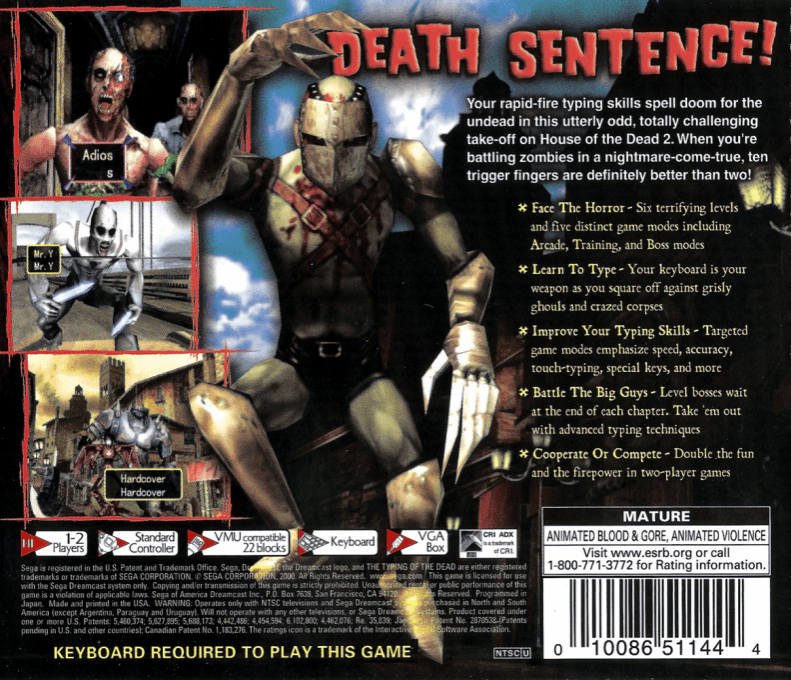
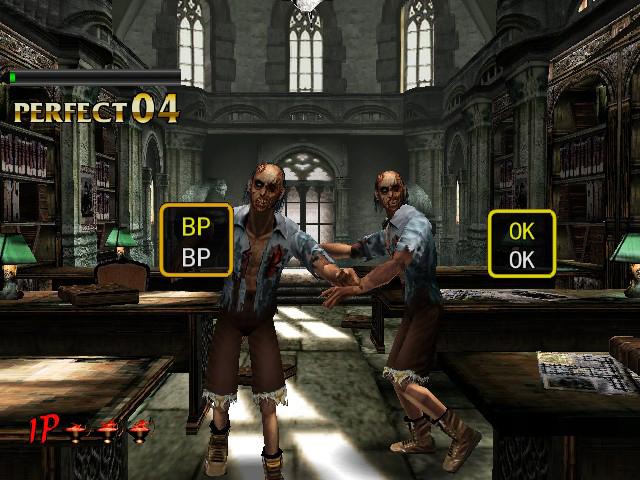
Play proceeds from a first-person, on-rails viewpoint. The camera advances automatically through streets, buildings, waterways, and monster-filled set pieces, leaving the player to scan the screen and type the prompt attached to an incoming enemy. Completing the displayed letters, words, or phrases defeats that target; errors and hesitation allow enemies to close the distance. As in a light-gun game, danger can come from several directions at once, so players must choose which threat demands attention first. The format makes keyboard fluency a direct survival skill rather than a separate training exercise.
The Dreamcast version supports one or two players, and its main story can be played in Arcade and Original modes. Arcade mode emphasizes the straightforward chase for score and progression through the familiar campaign. Original mode adds a more structured set of rewards and items, giving players extra reasons to revisit sections and improve their performance. The release also includes Tutorial, Drill, and Boss options that isolate typing practice or confront players with selected encounters. Performance is assessed through typing results, so the game works both as a score attack and as a way to notice improvement in accuracy and pace.
The underlying House of the Dead 2 design remains important to how The Typing of the Dead unfolds. Rescuing people at key moments can alter the route through the story, and the game retains the parent title’s branching situations, hidden extras, stage challenges, bosses, and multiple endings. Boss encounters put their own twist on the typing format: some demand longer input, while the final confrontation uses questions whose answers affect the ending sequence. These ideas prevent the game from being only a sequence of vocabulary drills, because quick reactions and route choices still shape a run.
Its unusual identity began in Japanese arcades, where Sega installed two keyboards in a NAOMI cabinet, and it was then adapted to the Dreamcast’s keyboard peripheral. Sega’s own arcade history describes it as the company’s first arcade game built around keyboard input. The Dreamcast release uses the same collision of pulp-horror imagery and comic typing prompts to make its mechanics immediately legible. It is part of the wider House of the Dead series, but it stands apart as a platform-specific experiment that recasts a familiar rail shooter without discarding its characters, locations, pacing, or branching structure.
The Typing of the Dead also illustrates the Dreamcast era’s willingness to support unconventional accessories and game concepts. Its conversion changes the central verb of a zombie shooter from aiming to typing, yet it keeps the pressure of an arcade game: prompts grow more demanding, enemies advance without waiting, and a missed entry has consequences. Later releases carried the concept to Windows, PlayStation 2, and other formats, and later titles revisited the idea with other House of the Dead material. For the Dreamcast, though, the game remains a distinctive meeting point between arcade horror, competitive score play, and the console’s keyboard.
Gallery
Details
- Developer
- SEGA
- Publisher
- SEGA
- Genre
- First-Person Shooter, Educational
- Players
- 1-2
- Release Date
- January 23, 2001
- System
- Dreamcast