About
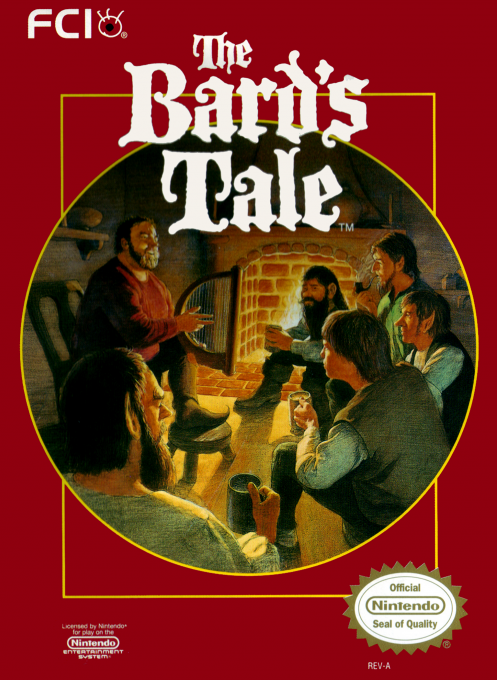
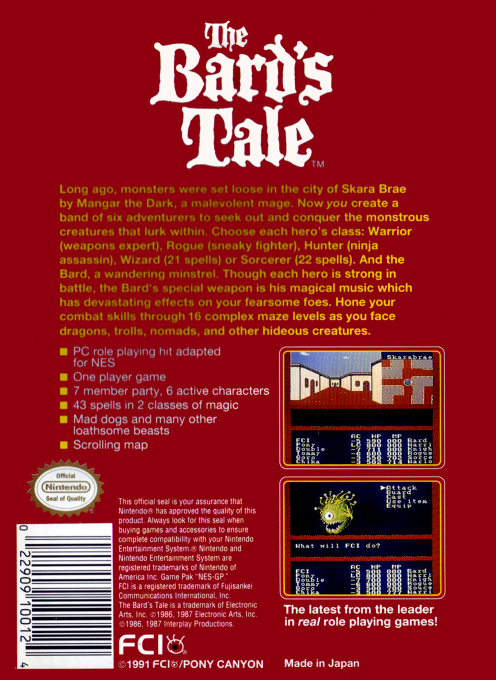
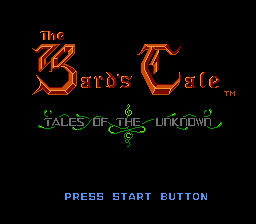
The Bard's Tale for the NES is a first-person fantasy role-playing game released in North America by FCI in November 1991. Ported to Nintendo's 8-bit system by Atelier Double, it adapts the first entry in Interplay's classic computer RPG series, originally known as Tales of the Unknown: The Bard's Tale. Players assemble an adventuring company in the snowbound city of Skara Brae, where the wizard Mangar the Dark has cast an Eternal Winter and filled the streets and underground passages with hostile creatures. The task is to build a capable party, uncover the route through the city and its dungeons, and ultimately challenge Mangar.
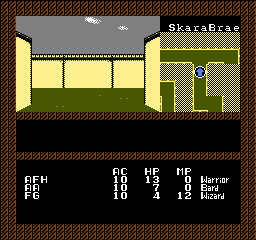
Before setting out, players create their own characters and choose from martial, stealth-oriented, magical, and musical professions. A full party can contain up to six adventurers, giving the game its emphasis on planning a balanced group rather than controlling a single hero. Warriors, paladins, rogues, hunters, monks, bards, and spellcasters all serve different purposes. Magic users begin in the Conjurer or Magician disciplines and can advance to further spellcasting classes, while a bard’s songs provide magical effects for the group. The NES version is a single-player adventure, but its party system makes every expedition a matter of selecting companions, equipment, spells, and commands carefully.
Exploration takes place from a first-person viewpoint as the party moves square by square through Skara Brae’s streets, taverns, temples, shops, and maze-like interiors. The city is more than a backdrop: its special locations support the adventure. The Adventurer’s Guild is the party’s base, shops offer gear, taverns provide a place for bards, and the Review Board is where surviving characters can rise in level. Progress depends on learning how these places connect, finding clues and key items, and recognizing which routes, doors, statues, or magical barriers require a particular solution. The NES cartridge uses battery-backed saving, an important convenience for a long quest built around gradual advancement.
Combat is turn-based and command-driven. Encounters interrupt exploration with a party-versus-monster screen where the player chooses attacks, defensive actions, spells, songs, or item use for each available character. Victories bring experience and money to the surviving group, which can then return to town for recovery and better equipment before pressing farther into danger. The pace is shaped by resource management: spell points, hit points, equipment, and the party’s formation all matter when fighting the increasingly dangerous enemies found below the city. Rather than relying on quick reflexes, The Bard's Tale NES rewards keeping track of the party’s condition and preparing for the next expedition.
Skara Brae’s quest leads from an early wine cellar into sewers, catacombs, castles, towers, and other enclosed labyrinths. These areas mix battles with riddles, teleports, locked routes, traps, and special encounters. Some puzzles require information discovered elsewhere, and the bard is not just a thematic character: magical songs can provide useful effects and are relevant to the game’s challenges. The goal is therefore not simply to defeat monsters. Players need to collect the knowledge and objects that open the way toward Mangar’s stronghold, making note-taking and careful navigation part of the original game’s dungeon-crawling design.
This NES edition arrived years after the 1985 computer original and should not be confused with the later 2004 game that shares its title. Its place is in the original Bard's Tale trilogy, alongside The Destiny Knight and Thief of Fate. Although the series began on home computers, the Nintendo release brought its party-based, first-person role-playing format to an NES library better known for action adventures. For players interested in early console role-playing games, The Bard's Tale on NES preserves the central appeal of the first Skara Brae adventure: create a band of heroes, map an unfamiliar city, master its rules, and survive a long road to its imprisoned ruler.
Gallery
Details
- Developer
- Atelier Double
- Publisher
- FCI
- Genre
- JRPG
- Players
- 1
- Release Date
- November 2, 1991
- System
- NES