About
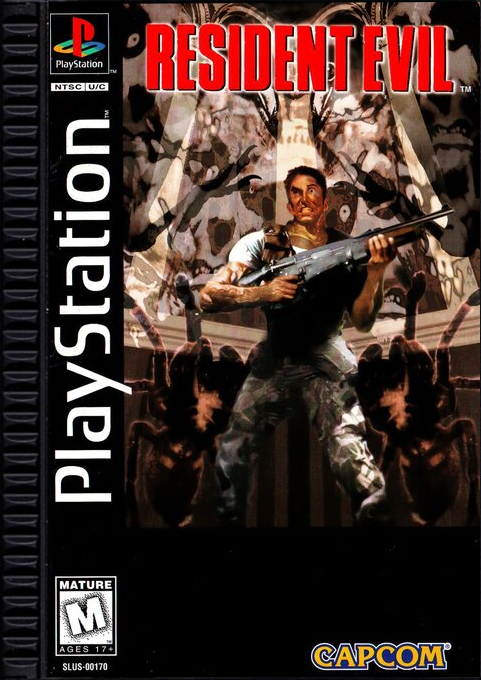
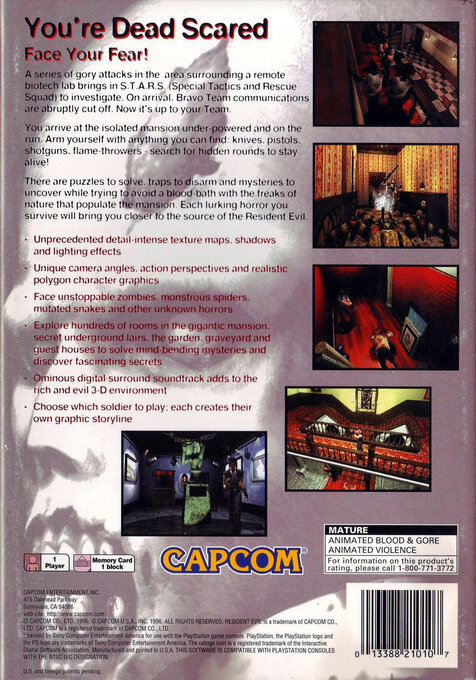
Resident Evil on the original PlayStation begins with a rescue mission already going wrong. When S.T.A.R.S. loses contact with Bravo Team in the Arklay Mountains outside Raccoon City, Alpha Team is sent to investigate. An attack in the forest drives the survivors toward the Spencer Mansion, where a hurried search for missing teammates becomes a fight to stay alive. What starts as a locked-door mystery steadily reveals a catastrophe hidden beneath an imposing estate.
Choose Jill Valentine or Chris Redfield and the same mansion takes on a different rhythm. Jill's route gives her a little more room to carry supplies and a lockpick for certain doors, while Chris has a tighter inventory and is joined by Rebecca Chambers; Jill's story instead brings Barry Burton into the danger. These are not cosmetic choices. Character-specific encounters, paths, rescues, and possible outcomes make a second campaign feel like another angle on the Mansion Incident rather than a simple replay.
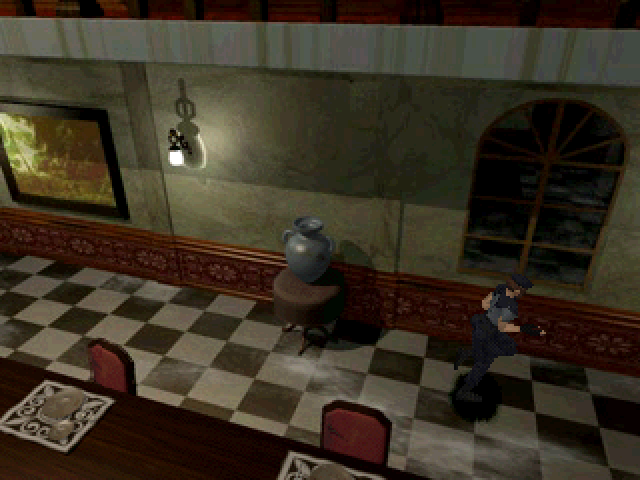
The original game makes every corridor matter. Its fixed camera views turn doorways, blind corners, and the space just beyond a window into sources of doubt, while the deliberate turning and movement make positioning part of survival. Pre-rendered rooms give the mansion a theatrical, unsettling character: grand halls, cramped passages, creaking stairways, and carefully framed glimpses of whatever may be waiting off-screen. A quiet room is rarely a promise of safety.
Exploration is the heart of the experience. Keys, crests, documents, and strange objects open routes through the mansion and onward to its surrounding facilities, but most discoveries compete for limited carrying space. Item boxes provide welcome storage, and typewriters let you preserve progress with ink ribbons. Deciding what to bring, what to leave behind, and when a detour is worth the risk gives even familiar rooms lasting tension.
Combat is intentionally only one answer to the problem. A knife and firearms offer protection, but ammunition, healing items, and inventory slots are finite resources. Zombies are the most immediate threat, yet the mansion's experiments produce dangers that change the pace of exploration and make retreat a sensible choice. The best route is not always the one with the most defeated enemies; sometimes it is the one that leaves enough supplies for the next locked door.
Puzzles tie the estate together with the logic of a sinister house built to hide its purpose. Emblems, statues, coded clues, mechanisms, and objects that demand closer inspection transform scattered rooms into one connected place. Notes and reports gradually fill in the story of Umbrella and its bio-organic weapons, so progress brings both access to new areas and a clearer sense of why the mansion has become a trap.
Resident Evil balances B-movie shock with careful pacing. A sudden encounter can send you back to a safe room, but the game also gives the player time to study a map, compare clues, and prepare for the next expedition. The result is survival horror built from small decisions: save now or press farther, carry a key item or more medicine, search one more room or return to the box. That restraint is central to the fear.
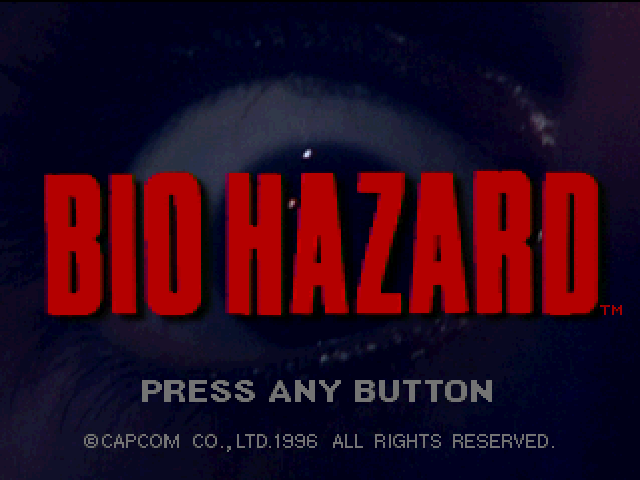
For players revisiting the 1996 PS1 release, its particular atmosphere remains the attraction. This is the original Resident Evil before the later Director's Cut revisions, Dual Shock update, and remake reinterpretation: a compact nightmare of mansion exploration, limited resources, branching character scenarios, and escalating discoveries. Whether played as Jill or Chris, the goal is simple and urgent—find the truth, protect the surviving team, and escape before the mansion's secrets consume everyone inside.
Gallery
Details
- Developer
- Virgin
- Publisher
- Capcom
- Genre
- Survival Horror
- Players
- 1
- Release Date
- April 16, 1996
- System
- PS1