About
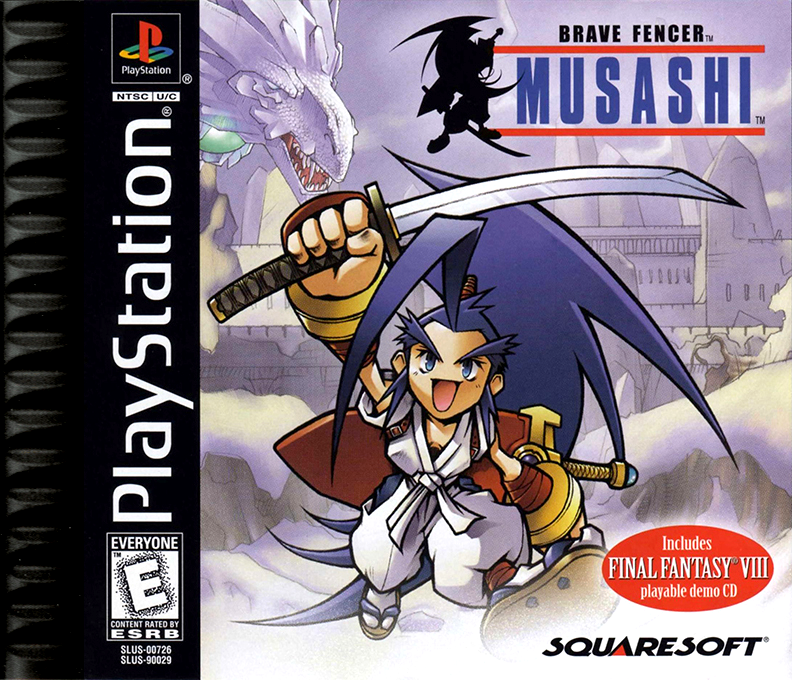
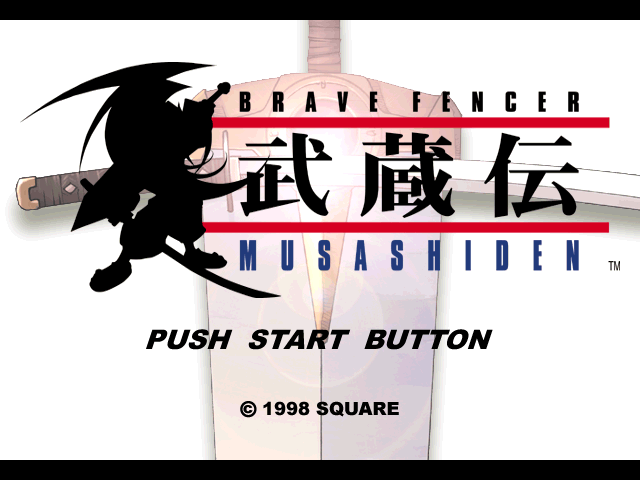
Brave Fencer Musashi for PlayStation is Square’s single-player action role-playing adventure, released in Japan in July 1998 as Brave Fencer Musashiden and in North America that November as Brave Fencer Musashi. Rather than following the turn-based formula associated with much of Square’s work of the period, it places its young hero in real-time 3D battles, exploration, platforming, and puzzle-solving. The story begins when Princess Fillet summons Musashi, the reincarnation of a legendary warrior, to the fantasy kingdom of Allucaneet. He is expected to oppose the invading Thirstquencher Empire, although his own priority is finding a way home.
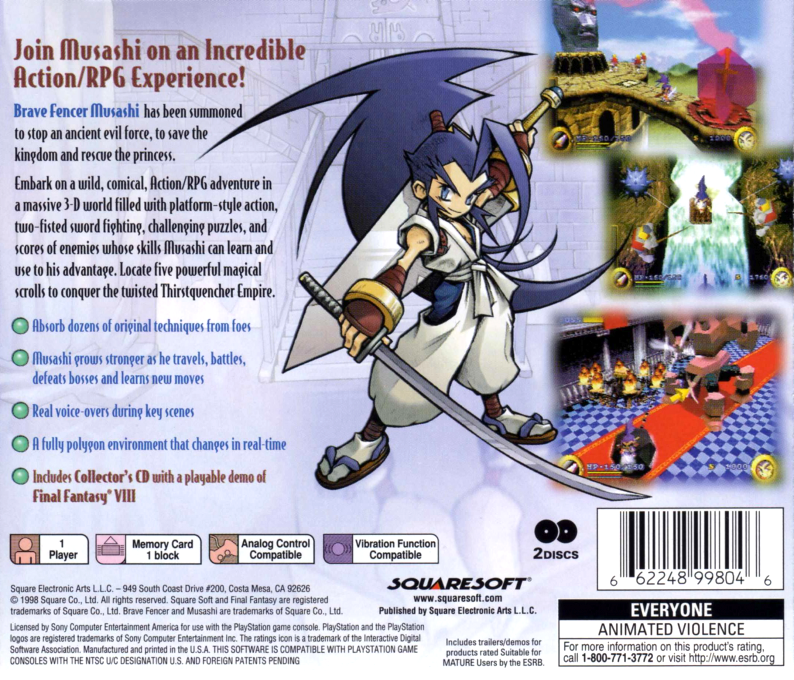
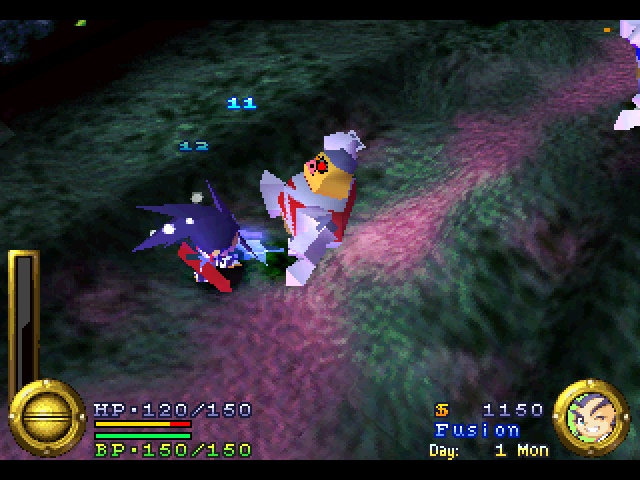
Musashi’s journey is driven by two very different swords. Fusion is the fast katana-like weapon used for close-range strikes, while Lumina is a heavier blade whose potential grows as the adventure continues. With Fusion, Musashi can use Assimilate to take in an opponent’s Bincho energy or learn a skill from certain enemies, adding a tactical incentive to fighting more than simply clearing a path. Lumina comes into its own through the five elemental scrolls. Finding these scrolls and defeating the guardians connected to them unlocks powers that help the hero handle combat obstacles and reach new places.
The main quest sends Musashi from Allucaneet and its neighboring village into dungeons, outdoor areas, and the empire’s stronghold while he searches for the missing townspeople and the scrolls. Conversations with residents provide clues and story scenes, and the game punctuates its action with minigames, environmental puzzles, treasure, and platforming challenges. Pieces of the Legendary Armor also expand what Musashi can do, including movement techniques needed to access later sections. This combination gives Brave Fencer Musashi a progression structure built around new abilities as well as story goals.
Its world runs on an in-game clock, so time is more than decorative. Day and night affect the routines of townspeople and some creatures, making it useful to revisit places at different hours. Musashi also becomes fatigued if he stays awake too long. Resting at an inn restores him safely, while sleeping outside is a riskier way to recover; neglecting rest can eventually leave him unable to fight effectively. These systems make the kingdom feel active and turn preparation into part of the adventure without abandoning the game’s direct, arcade-like swordplay.
Square developed and published the original PlayStation release, with Square Electronic Arts handling the North American edition. The Japanese title translates as a story of Musashi, while the localized name streamlined it for English-speaking players. Localization also changed a number of alcohol-related enemy and empire references into soft-drink-themed names. North American copies were notably packaged with the PlayStation 1998 Collector’s CD Vol. 2, which included a Final Fantasy VIII demo, a detail that situates the game in Square’s late-1990s PlayStation lineup.
Brave Fencer Musashi remained a PlayStation game, later returning in Japan through Square’s Millennium Collection and digitally on the PlayStation Network. Its blend of action, light role-playing systems, a playful fantasy setting, and a hero inspired by the famous name Musashi made it a distinctive change of pace for Square. The game’s story continued years later with Musashi: Samurai Legend on PlayStation 2, but this original adventure stands on its own: a quest to master two swords, recover elemental power, and free a kingdom from an invading empire.
Gallery
Details
- Developer
- Squaresoft
- Publisher
- Squaresoft
- Genre
- JRPG
- Players
- 1
- Release Date
- October 31, 1998
- System
- PS1