About
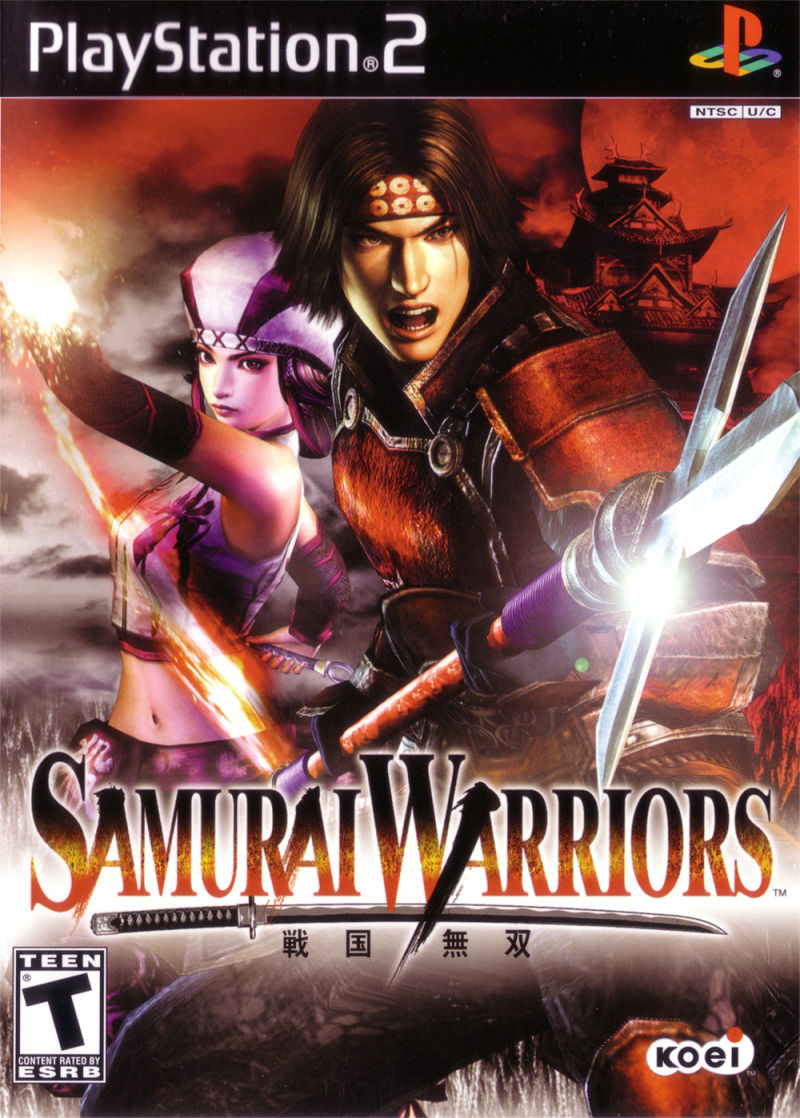
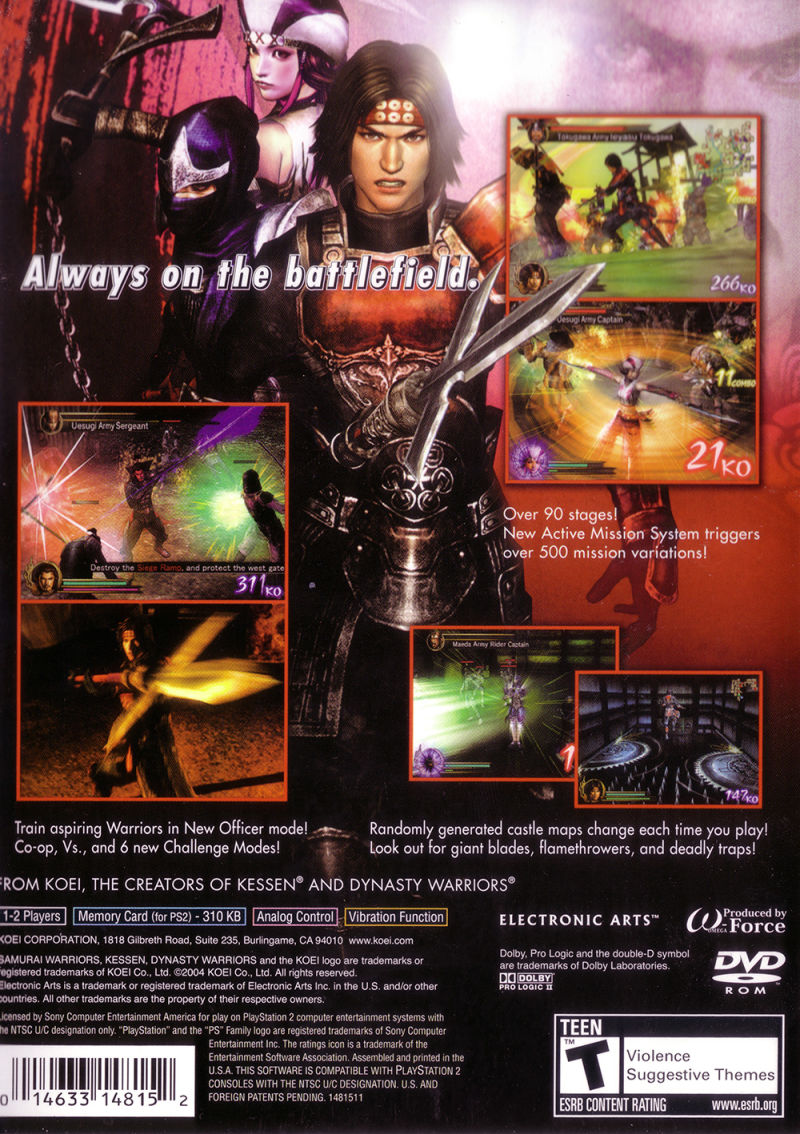
Samurai Warriors for PlayStation 2 is a 2004 tactical action game from Omega Force, released by Koei as Sengoku Musou in Japan and brought to North America and Europe under the Samurai Warriors name. Electronic Arts distributed the game outside Japan. A sister series to Dynasty Warriors, it moves the large-scale, one-warrior-versus-an-army format from China’s Three Kingdoms setting to Japan’s Sengoku, or Warring States, period. Players choose dramatized versions of historical figures and take part in battles inspired by the era’s shifting alliances and rival clans.
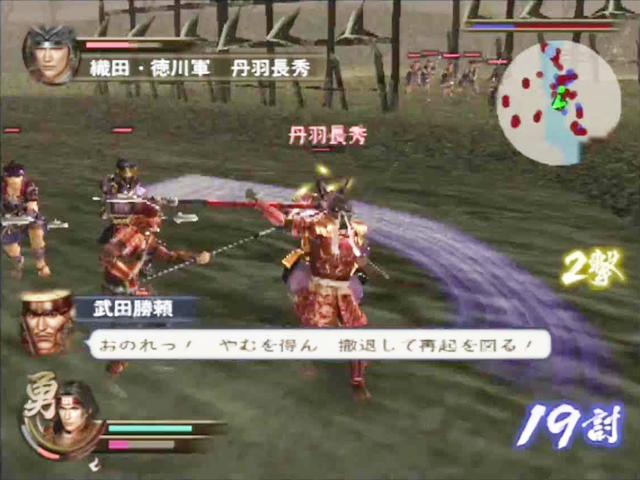
Each stage puts one officer at the centre of a battlefield packed with opposing troops, bases, and named commanders. The basic goal is usually to break through the enemy force and defeat its leader, while protecting allies and responding to changing conditions on the field. Light and charge attacks combine into strings of strikes, and a full Musou gauge unleashes a powerful special attack for cutting through crowds. The gauge fills through combat, while a low-health or specially enabled character can use a stronger True Musou variation. Samurai Warriors also adds evasive rolls, the ability to turn away arrows, and fast attacking movement that helps an officer cover ground through groups of common soldiers.
The PlayStation 2 version has fifteen playable officers, with five initially available and others earned by meeting game-specific requirements. Its roster includes Yukimura Sanada, Mitsuhide Akechi, Kenshin Uesugi, Oichi, Hanzo Hattori, Nobunaga Oda, Shingen Takeda, Masamune Date, and other figures associated with the period. Character stories follow their own routes through the conflicts. Decisions and performance in battle can open different paths, so the same historical setting is viewed through multiple officers rather than a single campaign. The English release presents the names in given-name-first order, unlike the family-name-first convention commonly used for Japanese historical figures.
Missions give individual battles much of their momentum. Objectives may call for the player to defeat a particular officer, intercept a plan, secure a base, or launch an attack at the right moment; success or failure can affect army morale and the route available afterward. Progress carries beyond a single fight through experience, character ranks, weapons, and skills. Officers find weapons and attribute-altering items during battle, equip items before a stage, and improve through a skill tree paid for with earned Skill Points. Each character has several weapon types to discover, including a distinct high-level weapon tied to special conditions.
Samurai Warriors also includes an Officer Training mode for creating an original warrior. The new officer trains under a mentor across a series of sessions, builds attributes through the chosen tasks, and must pass a final exam before becoming available elsewhere. Alongside outdoor battlefields, the game introduces castle encounters and an Active Mission System that emphasizes battlefield objectives. Its blend of Japanese instrumental color with electronic music distinguishes its sound from the earlier Dynasty Warriors games. The original PlayStation 2 release established the Samurai Warriors line, which later expanded with Samurai Warriors: Xtreme Legends; that separate 2004 expansion adds content to the base game and is not part of this original release.
Gallery
Details
- Developer
- OMEGA Force
- Publisher
- Electronic Arts
- Genre
- Beat 'em Up
- Players
- 1-2
- Release Date
- May 4, 2004
- System
- PS2