About
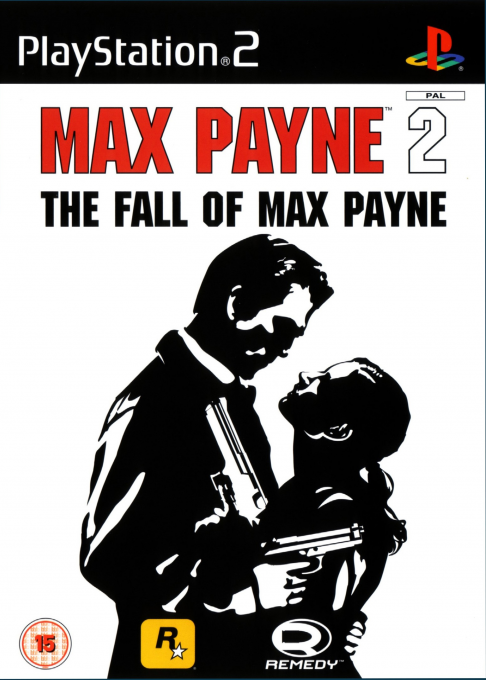
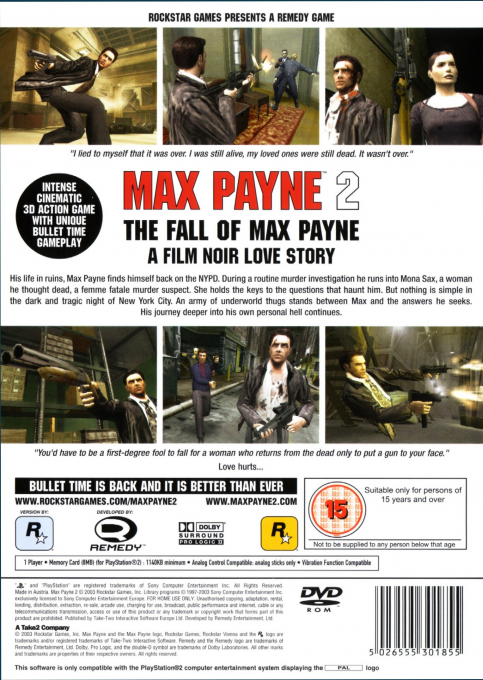
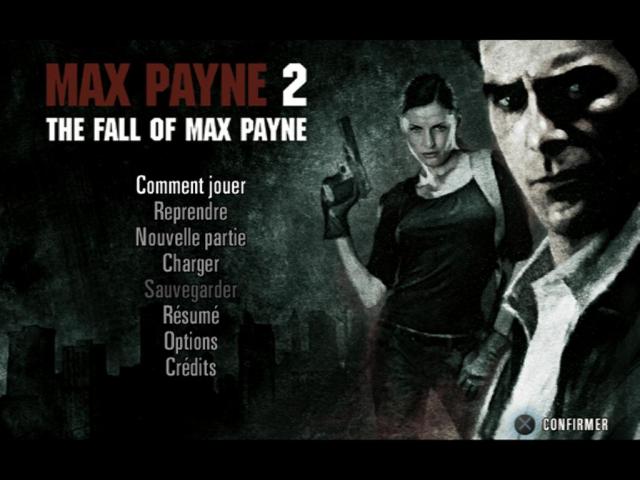
Max Payne 2: The Fall of Max Payne on PlayStation 2 is the 2003 console release of Remedy Entertainment's neo-noir third-person shooter sequel, published by Rockstar Games and ported by Rockstar Vienna. Released in Europe on 5 December 2003, it brings detective Max Payne back to a rain-soaked New York two years after the original game. Max has returned to the NYPD, but nightmares and the consequences of his past are never far away. When he encounters contract killer Mona Sax, now a murder suspect, their uneasy alliance pulls him into a conspiracy of rival criminals, hired killers, and betrayal.
The campaign is a tightly structured, single-player action story told through comic-book panels, voice-over narration, dialogue scenes, and Max's famously hard-boiled internal monologue. Its tone leans into tragic film noir: Mona is both a dangerous mystery and the emotional center of the case, while Max's investigation repeatedly blurs the line between duty, revenge, and survival. Players who know the first Max Payne will catch returning characters and references, though the sequel includes an optional recap for newcomers. The result is less a sprawling crime sandbox than a focused, cinematic descent through apartments, warehouses, a police station, funhouse spaces, and burning criminal hideouts.
Play unfolds from a third-person perspective across linear chapters. Max handles pistols, dual handguns, shotguns, submachine guns, assault rifles, sniper rifles, grenades, and Molotov cocktails, and Mona is playable during selected missions. The key mechanic is Bullet Time, which slows the world while leaving the player enough control to line up shots, dive sideways with a shoot-dodge, and turn chaotic firefights into choreographed action scenes. This sequel refines the system: killing enemies refills the meter more rapidly and can deepen the slow-motion effect, encouraging aggressive movement rather than cautious waiting. An adaptive difficulty system can also ease enemy pressure and provide more painkillers after repeated failures, while later unlocks include time-focused New York Minute and survival-oriented Dead Man Walking modes.
Max Payne 2 also builds its shootouts around Havok physics. Bodies react with ragdoll motion, and explosive force can knock enemies, boxes, and loose objects across a room, making even small interiors feel volatile. The PS2 release preserves the same core campaign, characters, weapons, Bullet Time concept, and physics-driven set pieces as the original PC version. It still delivers the series' essential appeal: deliberate aiming, sudden close-range violence, smoky noir atmosphere, and a story that treats Max and Mona's doomed relationship as seriously as the gunplay.
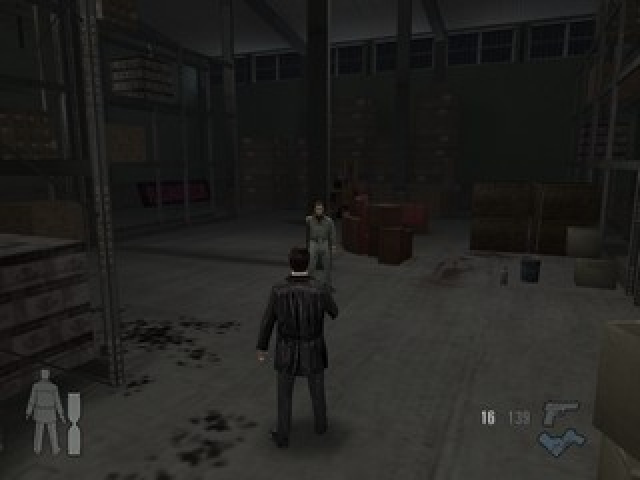
The PlayStation 2 version is nevertheless a distinctly compromised port beside PC and Xbox. Contemporary testing found that it retains the content but reduces the visual finish: textures are much blurrier, effects and environmental detail are weaker, and performance can fall sharply during busy firefights. The PS2 can still show the sepia Bullet Time filter, flying bullets, debris, and some dramatic physics, but its frame-rate drops make the action less dependable precisely when enemy encounters become most intense. Long loading times further interrupt the pace. Xbox also trimmed some PC visual effects, yet was reported to be substantially closer to the computer release than the PS2 edition.
Saving is the most consequential PS2-specific change. Rather than relying on the more forgiving progression behavior found in the other versions, this port requires manual saves through the options menu. If Max runs out of health without a recent save, the player may have to replay from the last saved point instead of restarting neatly at the current level's beginning. That limitation, combined with slow save operations and uneven performance, makes the PS2 release a tougher recommendation for players able to choose PC or Xbox, even though its story and mechanical foundation remain intact.
For retro PlayStation 2 players, Max Payne 2: The Fall of Max Payne remains an atmospheric action game with a memorable noir identity. It is best approached as a compact, demanding console rendition of Remedy's sequel rather than the ideal version of it. Its strongest moments come from using Bullet Time to control a room, watching the physics turn cover into chaos, and following Max and Mona through a fatalistic detective story. The PS2 port's technical concessions are real, but its central blend of stylized gunfights and melancholy crime drama still makes it a notable entry in the system's third-person shooter library.
Gallery
Details
- Developer
- Rockstar Vienna
- Publisher
- Rockstar Games
- Genre
- Third-Person Shooter
- Players
- 1
- Release Date
- December 5, 2003
- System
- PS2