About
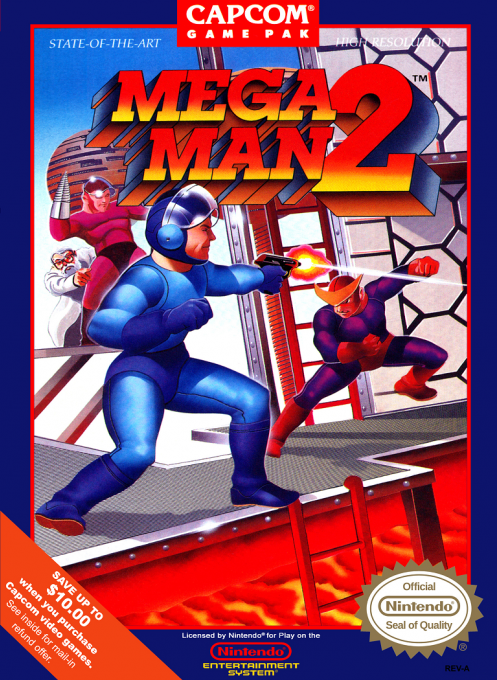
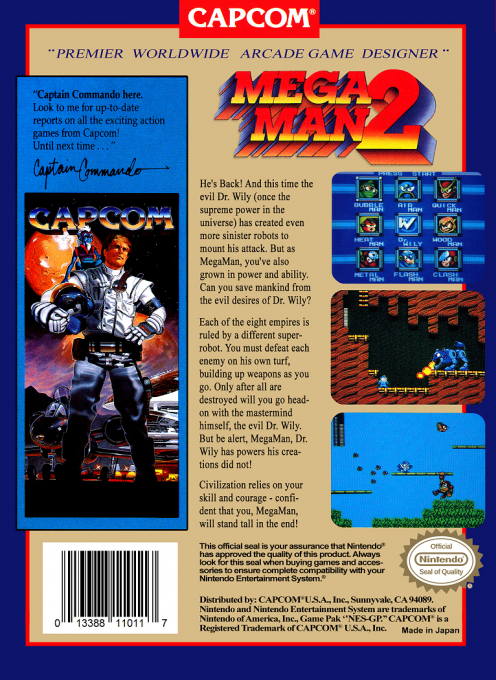
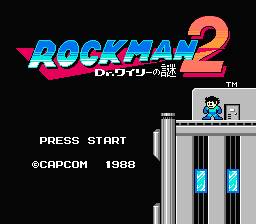
Mega Man 2 for the Nintendo Entertainment System is Capcom’s 1989 North American release of the 8-bit action-platform sequel known in Japan as Rockman 2: The Mystery of Dr. Wily. Set after Mega Man’s first clash with the rogue scientist Dr. Wily, it sends the blue robot hero back into action when Wily unveils eight new Robot Masters and a fresh plan for world domination. Players can tackle the opening missions in any order, making the choice of which mechanical opponent to challenge first a central part of the adventure.
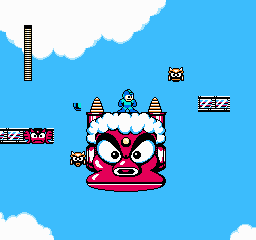
Each of the eight selectable stages is built around its Robot Master and a distinct environment, from Air Man’s airborne hazards to Wood Man’s forest setting. Mega Man runs, jumps, climbs ladders, and fires the Mega Buster while navigating enemy-filled screens, moving platforms, traps, and pits. Reaching a stage’s boss chamber means confronting the Robot Master responsible for that area, whose attacks and arena demand their own timing and positioning. Health and weapon energy pickups found during play help sustain a run through each level.
Defeating a Robot Master does more than clear a stage: Mega Man receives that opponent’s Special Weapon. Metal Man’s blades, Bubble Man’s bubbles, Crash Man’s explosive weapon, Flash Man’s time-stopping power, and the other acquired tools give later encounters new tactical possibilities. Weapons consume their own ammunition, so choosing when to rely on the standard Mega Buster and when to spend a limited special weapon matters. The bosses also have weapon vulnerabilities, rewarding experimentation with different stage orders and loadouts rather than a single prescribed route.
The sequel expands movement options through special utility items that create routes across otherwise inaccessible gaps and vertical spaces. These tools become important for navigating the game’s later challenges, while the stages themselves mix direct combat with precision platforming. After the eight Robot Masters have been defeated, the structure changes from free stage selection to a linear assault on Dr. Wily’s fortress. That final stretch includes new obstacles, major battles, and a teleportation chamber that sends Mega Man into rematches with the Robot Masters before the confrontation with Wily.
Mega Man 2 also makes the NES campaign easier to resume than its predecessor. Energy Tanks can be collected and held for a full health refill whenever the player needs one, offering a valuable reserve during difficult boss fights and fortress stages. Its password screen records progress after bosses are beaten, letting players restore their defeated-Robot-Master status and saved Energy Tanks in a later session. The system fits the game’s non-linear opening particularly well, since a player can return with a different plan for the remaining stages rather than starting the whole quest again.
Capcom’s sequel helped establish the classic Mega Man formula: a choice of themed Robot Master stages, weapons taken from defeated bosses, and a final march on Dr. Wily’s stronghold. The NES version’s precise controls, strategic weapon cycle, memorable robotic cast, and focused stages make it a defining entry in the original series. It is also a direct continuation of the first Mega Man and was followed by Mega Man 3, placing its battle against Dr. Wily at an important early point in the long-running Capcom franchise.
Gallery
Details
- Developer
- Capcom
- Publisher
- Capcom
- Genre
- Platformer
- Players
- 1
- Release Date
- July 2, 1989
- System
- NES