About
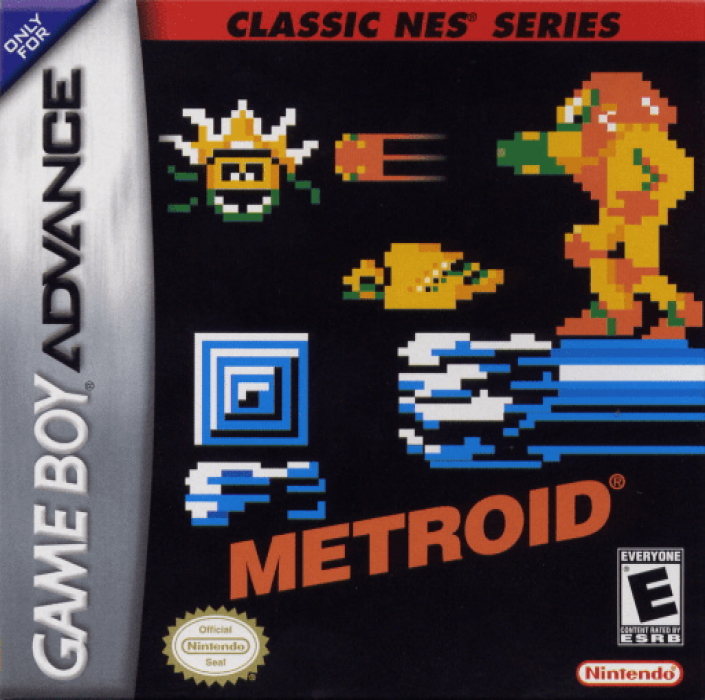
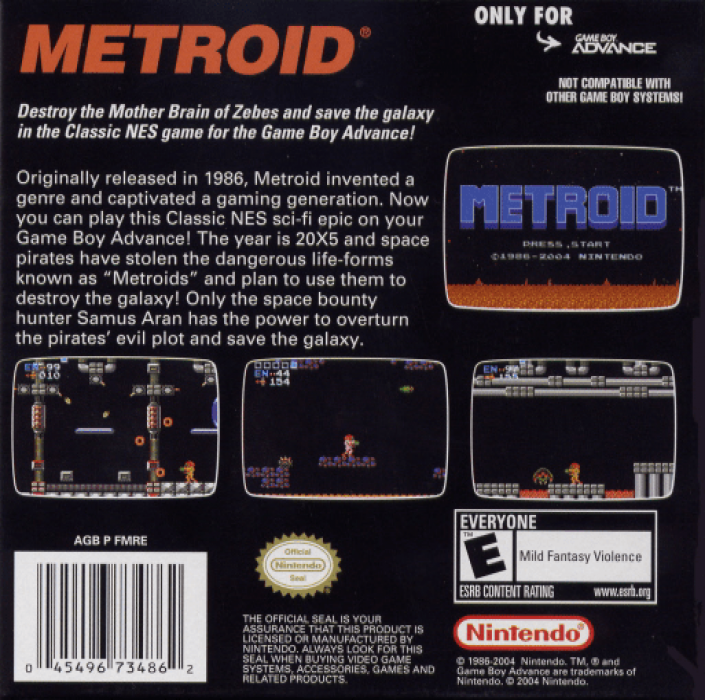
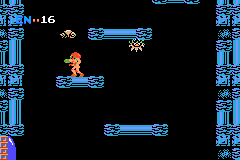
Classic NES Series: Metroid brings Nintendo’s foundational sci-fi exploration adventure to Game Boy Advance. This is the original 8-bit Metroid experience presented as a handheld NES Classics release: Samus Aran lands on the hostile planet Zebes to stop the Space Pirates from turning the life-draining Metroids into weapons. The goal is to penetrate the underground stronghold, overcome its defenses, defeat Kraid and Ridley, and ultimately confront Mother Brain. It is a solo action-adventure built around discovery, route-finding, and learning a dangerous world one room at a time.
Zebes opens gradually rather than sending Samus down a fixed sequence of stages. Early passages lead into Brinstar and Norfair, while lifts, sealed routes, false walls, and hidden tunnels invite repeated exploration. Progress depends on finding equipment that changes what Samus can do. The Morph Ball lets her roll through narrow passages, Bombs reveal routes and break obstacles, missiles give her the firepower to challenge major threats, and suit and beam upgrades expand her options. Energy Tanks and missile expansions make survival more manageable, but they must be found in the maze rather than awarded automatically.
The game’s tension comes from navigating with limited direction. Rooms can loop, enemies return, and a promising route may demand an item discovered somewhere else. That structure makes observation part of the action: notice unusual blocks, remember locked doors, and return when a new ability changes the possibilities. Samus’s arm cannon handles ordinary enemies, while missile ammunition is valuable against tougher defenses and bosses. The result is an adventure where the next breakthrough often comes from connecting an upgrade, a place, and a newly opened path.
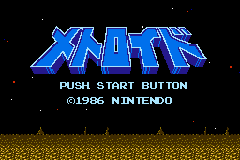
On Game Boy Advance, Classic NES Series: Metroid uses the original NES release rather than the Japanese Famicom Disk System edition. That distinction matters for progress: the Famicom Disk System game used save files, whereas this version follows the NES-style password continuation system. The password screen records Samus’s equipment and progress in code form, so it remains central to resuming an expedition. This cartridge is therefore not a modernized save-based remake, and its challenge retains the planning and record-keeping associated with the NES version.
The handheld controls translate the original actions to the Game Boy Advance layout. Use the Control Pad to move Samus, press A to jump, and press B to fire the arm cannon; down enters Morph Ball form once that ability has been collected. Start pauses play, while Select is used to cycle through available beam weapons. The familiar inputs support quick movement through enemy-filled caverns, precise jumps over hazards, and the careful use of missiles when a larger threat blocks the way. The compact GBA hardware makes this 8-bit adventure portable while leaving its underlying design intact.
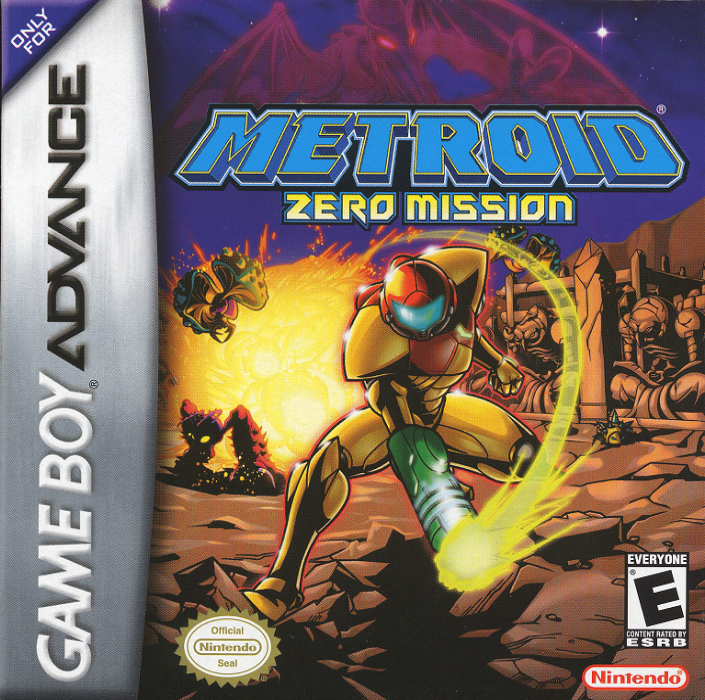
Classic NES Series: Metroid should not be confused with Metroid: Zero Mission, the separate Game Boy Advance remake released in the same era. Zero Mission retells and expands the premise with new visuals, systems, areas, and story material; Classic NES Series: Metroid returns to the older game’s original room layouts, item hunt, enemies, and password-based structure instead. It is also distinct from the Famicom Mini release in Japan, which was tied to the original Disk System version. For players seeking the specific NES-era design on Game Boy Advance, this is the edition to choose.
Nintendo’s original premise remains direct and effective: a lone bounty hunter enters an alien fortress with little more than a basic beam and must become powerful enough to end the Space Pirate threat. The atmosphere comes from isolation as much as combat—Zebes is full of strange creatures, repeating caverns, and secrets that may be only a few blocks from a familiar corridor. Its 2D side-scrolling action, permanent power-ups, and open-ended exploration established the template that later Metroid games would build upon.
Whether approached as a piece of Nintendo history or as a demanding exploration game, Classic NES Series: Metroid rewards patience and curiosity. Search for every upgrade, keep track of unexplored doors, and expect the journey to be less guided than later entries in the series. The lasting appeal is the sense of beginning vulnerable, gradually mastering the fortress, and finally turning Samus’s collected tools against the forces that control Zebes. It is a portable return to the original mission: explore, upgrade, survive, and stop Mother Brain.
Gallery
Details
- Developer
- Nintendo
- Publisher
- Nintendo
- Genre
- Platformer
- Players
- 1
- Release Date
- January 7, 2005
- System
- GBA