About
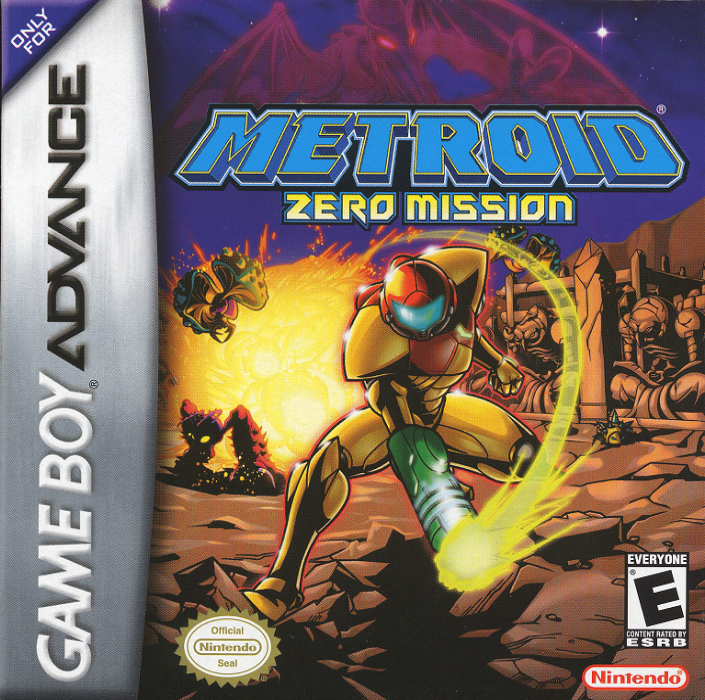
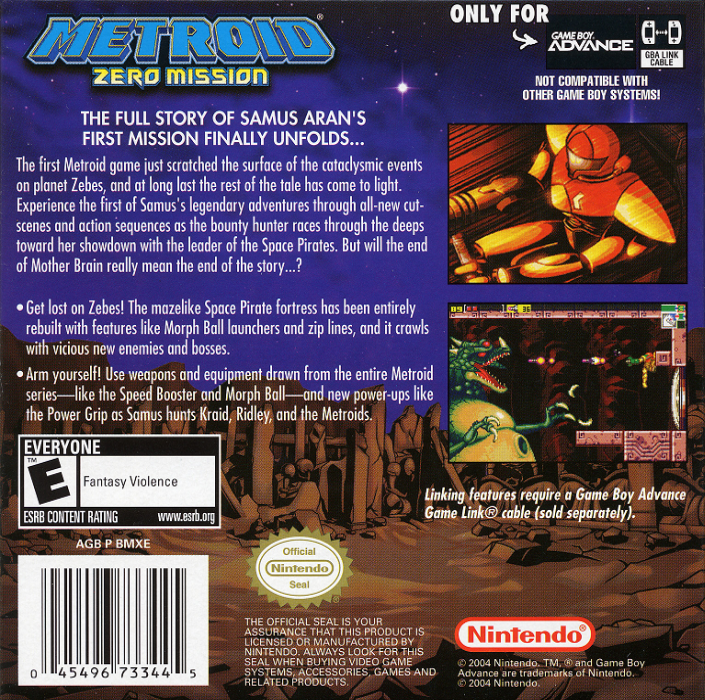
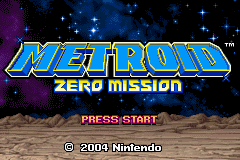
Metroid Zero Mission GBA is Nintendo's 2004 action-adventure remake of the 1986 Metroid, rebuilding Samus Aran's first mission for the Game Boy Advance. Directed by longtime series figure Yoshio Sakamoto and published by Nintendo, it returns bounty hunter Samus to planet Zebes after the Space Pirates seize Metroid organisms for use as weapons. The broad objective remains to penetrate the pirates' subterranean base, confront Kraid and Ridley, and destroy the biological-computer leader Mother Brain, but the Game Boy Advance version reshapes that journey with a new presentation, expanded map, and story scenes.
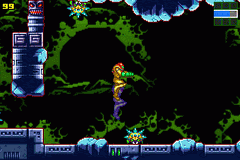
Play unfolds as a side-scrolling exploration adventure across connected zones of Zebes. Samus begins with limited equipment, then searches rooms, passages, and concealed routes for missile expansions, Energy Tanks, and upgrades that open previously unreachable territory. Her arm cannon handles basic shots, while the Morph Ball lets her roll through narrow tunnels and lay bombs. Finding abilities such as the Long Beam, Ice Beam, High Jump Boots, Varia Suit, and later suit and weapon enhancements steadily changes both her movement and combat options. Doors, destructible blocks, elevator shafts, and environmental obstacles turn careful observation into part of navigation rather than merely a backdrop to shooting.
The structure preserves the original game's emphasis on choosing a route through an interconnected world. A player can follow a fairly direct path toward the major bosses, but alternate passages and the order in which some upgrades are collected create room for exploration. The in-game map, save rooms, and Samus's gunship make the expedition easier to track and resume on a handheld system. Completion percentage encourages item hunting, while the campaign's selectable difficulty settings alter enemy damage; the hardest option is opened after a completed run. The result is a more approachable version of the original premise without discarding its isolation, secret hunting, and gradual growth in power.
Zero Mission also incorporates abilities and handling ideas familiar from later 2D Metroid games. Samus can aim in multiple directions, hang from ledges, use the Speed Booster, and perform athletic maneuvers such as wall jumps and bomb jumps. These tools support both ordinary progress and optional shortcuts, allowing experienced players to experiment with routes that bypass parts of Zebes. The rebuilt visuals give each region a distinct look while still using recognizable locations, enemies, items, and boss encounters from the NES game. Short cinematics add context to Samus's assignment and memories, developing the framing of her first recorded adventure with little spoken dialogue.
The remake becomes its own game after the showdown that ended the original Metroid. During her escape, Samus is forced back to Zebes without the Power Suit, beginning a tense infiltration sequence in the Zero Suit. With only a short-range paralyzer and no Morph Ball, she must avoid or quietly slip past enemies through the Space Pirate Mothership. This vulnerable stretch leads to Chozodia, an added area that includes a Chozo trial and new ruins to explore. Regaining a fully powered suit, pursuing the mechanical Mecha Ridley, and escaping the self-destructing mothership give Zero Mission an extended finale designed for players who already knew the NES version.
Nintendo released Metroid: Zero Mission in North America on February 9, 2004, followed by other regions later that year. It occupies the beginning of the series chronology as a retelling of Samus's first battle on Zebes, rather than a sequel to Metroid Fusion or a port of Super Metroid. The cartridge includes an unlockable emulated copy of the original NES Metroid, making the contrast between the two designs immediately visible. It can also connect with Metroid Fusion through the Game Boy Advance Game Link Cable for additional gallery material. By preserving the original mission's central conflict while adding modern 2D controls, new areas, and a distinct Zero Suit episode, Metroid Zero Mission GBA stands as both an entry point to Samus's story and a substantial reinterpretation of a foundational Nintendo adventure.
Gallery
Details
- Developer
- Nintendo
- Publisher
- Nintendo
- Genre
- Action-Adventure, Platformer
- Players
- 1
- Release Date
- February 9, 2004
- System
- GBA