About
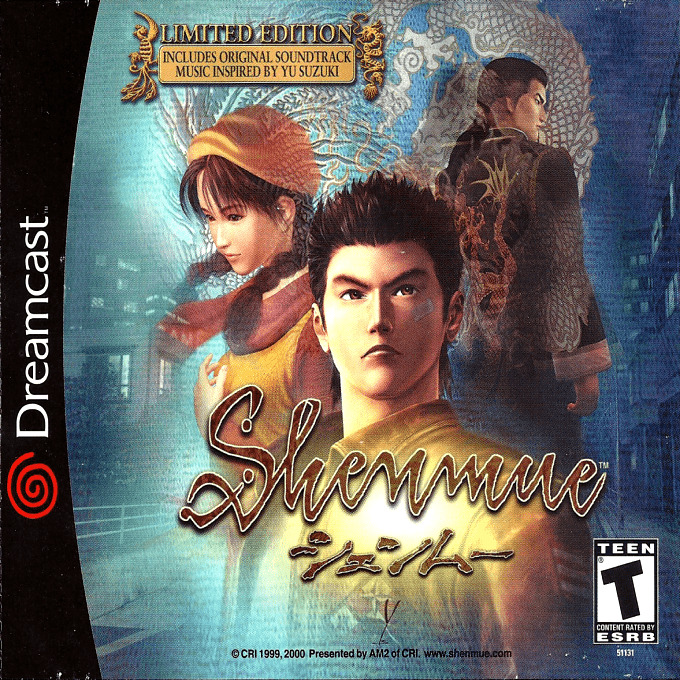
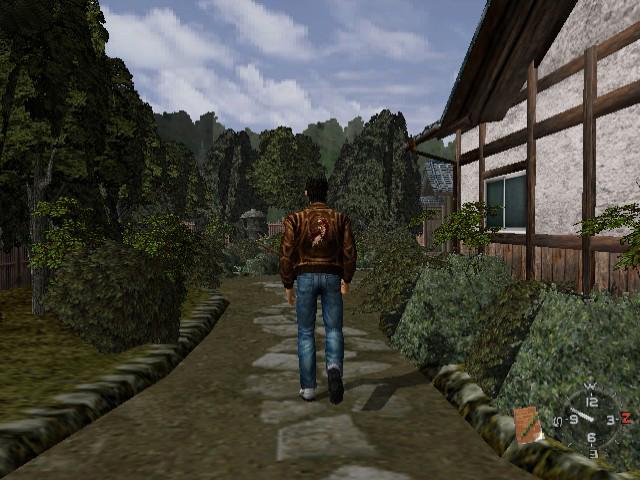
Shenmue for Dreamcast follows Ryo Hazuki, a teenage martial artist whose life is shattered when the mysterious Lan Di kills his father in their family dojo. Set in 1986 Yokosuka, Japan, the story sends Ryo from the quiet streets around his home into the shopping district of Dobuita and the city’s harbor as he tries to understand the attack, the stolen Dragon Mirror, and the leads left behind. The original Dreamcast game presents this personal search as the opening chapter of a larger story, giving its investigation a deliberately measured pace.
Rather than moving from one isolated level to the next, the game lets Ryo explore a dense urban environment and work out where to look next. He can question residents, examine clues, consult his notebook, follow directions through unfamiliar streets, and revisit places as new information emerges. Small discoveries often point toward another person, business, or neighborhood, so the central mystery develops through conversation and observation as much as through set-piece action.
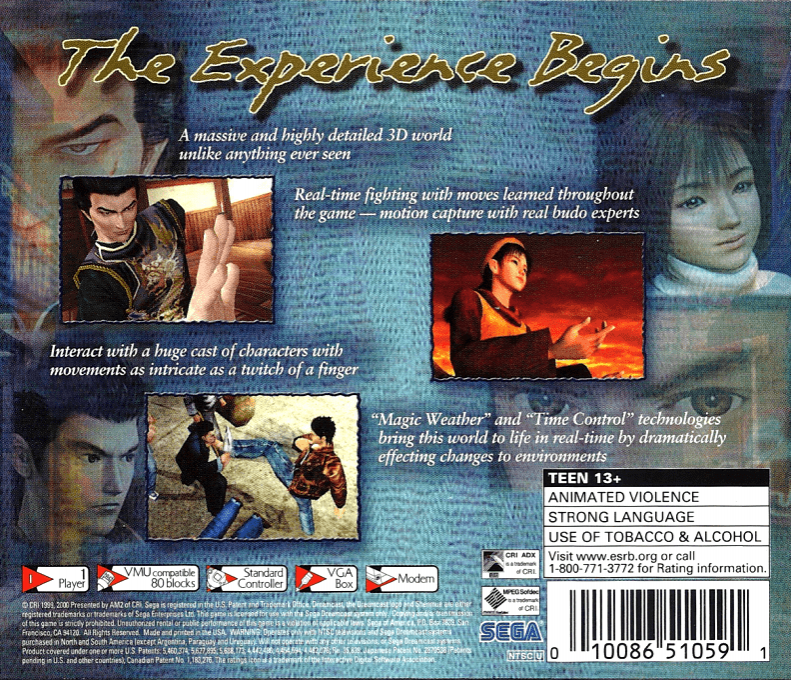
Yokosuka runs on a persistent schedule. Shops keep opening hours, buses follow routes, and many characters go about daily routines. Time, weather, and changing light give each day a distinct rhythm, while story opportunities can depend on when Ryo arrives. The design makes waiting part of the experience: a closed door or unavailable contact may leave room to train, explore, or spend time in town before the next lead becomes available.
When trouble turns physical, Shenmue shifts into close-quarters fights built around the martial-arts approach of Sega’s Virtua Fighter series. Ryo can learn moves, practice them outside battles, and gradually broaden his options. Other tense scenes use quick-time events, demanding a correct button press before a prompt disappears. These sudden tests turn pursuits, escapes, and confrontations into moments where the player must react quickly instead of only watching the action unfold.
The city also encourages detours that make Ryo’s surroundings feel lived in. He can buy food and small items, collect capsule toys, play darts, and visit the arcade. The arcade includes playable Sega classics such as Hang-On and Space Harrier, alongside other diversions. These activities are not simply menus between missions; they occupy recognizable places in the same streets Ryo investigates, reinforcing the sense that everyday life continues around his urgent search.
Progression is tied to Ryo’s growing knowledge of Yokosuka as well as the story’s major events. Conversations can reveal names, routines, and locations, while practice helps prepare him for later fights. The game asks the player to pay attention to its spaces and social connections, balancing domestic scenes and ordinary errands with criminal leads and martial-arts conflict. Its blend of adventure-game inquiry, free exploration, brawling, and minigames was unusually ambitious for the original Dreamcast release.
Shenmue was developed by Sega AM2 and published by Sega, with Yu Suzuki directing. It began as a Dreamcast-era effort to build a longer, more detailed kind of interactive drama than the arcade games for which Suzuki was known. The result is closely associated with the system: an expansive city simulation whose routines, objects, characters, and side activities support Ryo’s revenge-driven investigation while leaving room for the player to linger in Yokosuka.
Gallery
Details
- Developer
- SEGA AM2
- Publisher
- SEGA
- Genre
- Other Adventure
- Players
- 1
- Release Date
- November 7, 2000
- System
- Dreamcast