About
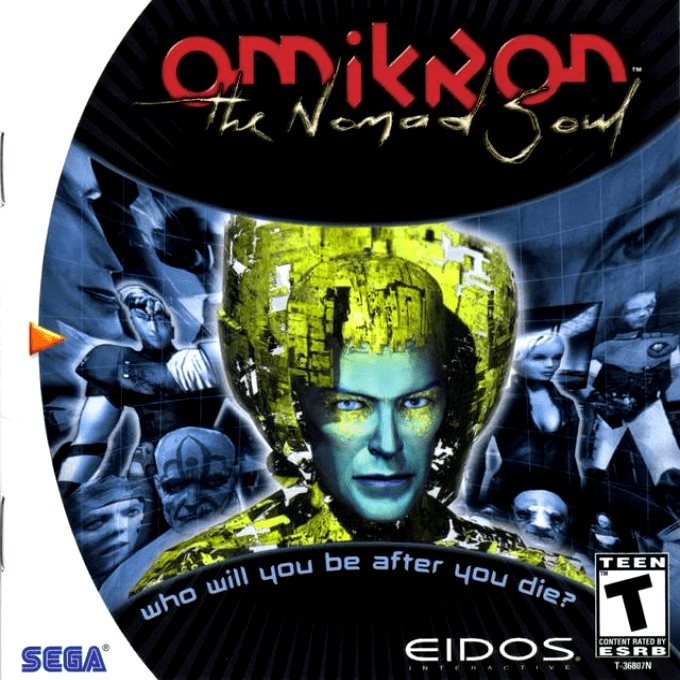
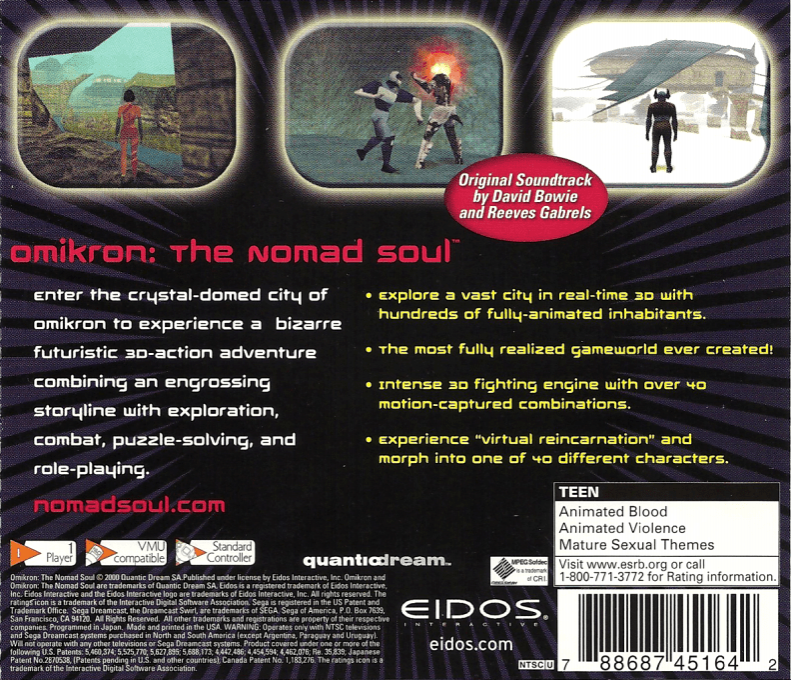
Omikron: The Nomad Soul for Dreamcast is Quantic Dream's 2000 science-fiction adventure, published by Eidos Interactive. The console release brought the studio's ambitious 1999 Windows game to Sega's hardware under the Omikron title used in North America; in several other markets it was simply called The Nomad Soul. Its story begins with an extraordinary invitation: police officer Kay'l 669 reaches beyond his world and asks the player to place a soul inside his body. From there, the game turns its futuristic city into the setting for a mystery that mixes investigation, fantasy, action, and adventure.
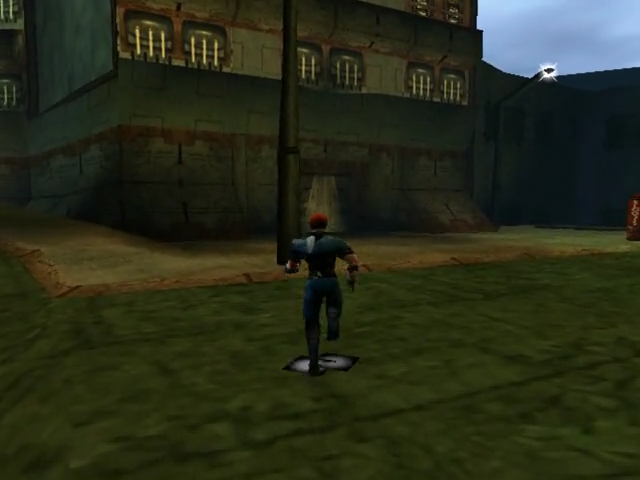
Omikron lies on Phaenon, a planet whose people live beneath an immense protective dome after the loss of their sun. The enclosed metropolis is divided into distinct sectors, and the player’s first assignment is to continue an investigation into a series of killings. Conversations, messages, items, and observations gradually turn that police case into a larger struggle involving demons, a secret resistance, and the buried history of the city. Rather than treating its setting as a sequence of isolated levels, the game lets players move through streets, apartments, offices, and other locations while following leads.
The central idea in Omikron: The Nomad Soul is that the player’s soul can occupy different bodies. When a controlled character dies, the adventure can continue through the first nearby non-player character who interacts with that body, opening another perspective on the city and its inhabitants. This reincarnation system is tied to the premise as well as the gameplay, making identity and survival part of the investigation. The game also supplies a SNEAK terminal for character information, inventory management, messages, and other practical tasks, while money can be spent on useful supplies and information.
Exploration is only one side of the Dreamcast game. Omikron combines third-person movement and conversations with hand-to-hand encounters, first-person armed sequences, puzzles, swimming, and vehicle travel in the city’s Sliders. Food, drinks, medikits, and other items help restore resources, while magic and special equipment become increasingly important as the story moves beyond its detective opening. The result is a deliberately hybrid adventure: players gather clues and use objects to progress, but also face direct action challenges and supernatural threats.
David Cage wrote and directed the project, and the Dreamcast edition was handled by a dedicated porting team within Quantic Dream. Its most distinctive collaboration is with David Bowie and guitarist Reeves Gabrels, who created original music for the game. Bowie also appears as Boz, a virtual being connected to the resistance, and his likeness is used for an in-world performance by the Dreamers with Gabrels and Gail Ann Dorsey. These virtual concert scenes give the Dreamcast release a musical identity that is inseparable from Omikron’s dark, stylized future.
For Dreamcast players, Omikron: The Nomad Soul remains an unusually broad late-era adventure: a story-led journey across a walled alien city where investigation, body-switching, combat, and music all serve the same supernatural conspiracy. It also occupies an important place in Quantic Dream’s early history, showing the studio’s interest in cinematic presentation and character-driven interactive storytelling years before its later narrative games. The Dreamcast version preserves the complete journey into Omikron, including its shifting viewpoints and the David Bowie collaboration that remains one of the game’s defining features.
Gallery
Details
- Developer
- Quantic Dream
- Publisher
- Eidos Interactive
- Genre
- Action RPG
- Players
- 1
- Release Date
- June 26, 2000
- System
- Dreamcast