About
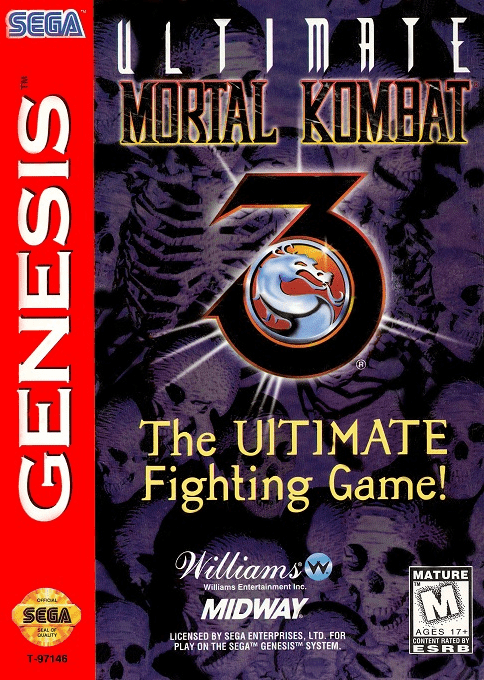
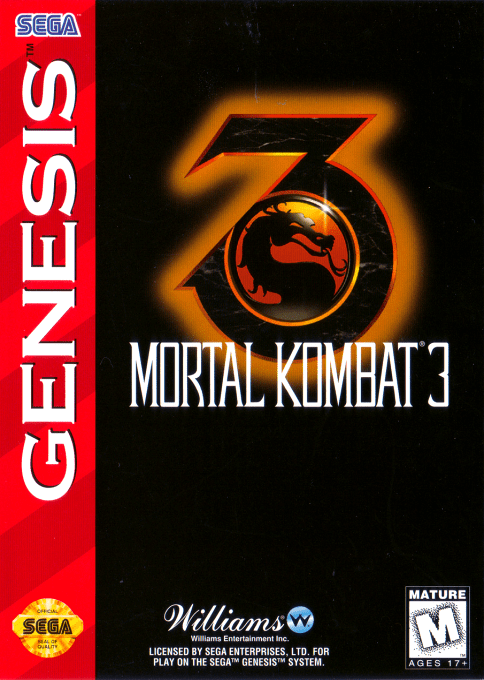
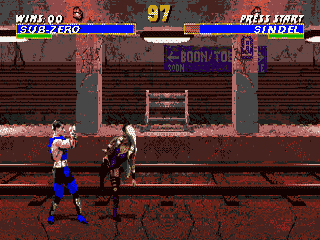
Mortal Kombat 3 for the Sega Genesis, known as the Mega Drive in many regions, is the 1995 home conversion of Midway’s arcade fighting game and the third main entry in the series. The Genesis version was developed by Sculptured Software and published in North America by Williams Entertainment, bringing the franchise’s digitized fighters, violent finishers, and head-to-head competition to Sega’s 16-bit console. Set after the events of Mortal Kombat II, it shifts the conflict from a tournament in Outworld to a threatened Earthrealm as Shao Kahn attempts to reclaim Queen Sindel and extend his rule across dimensions.
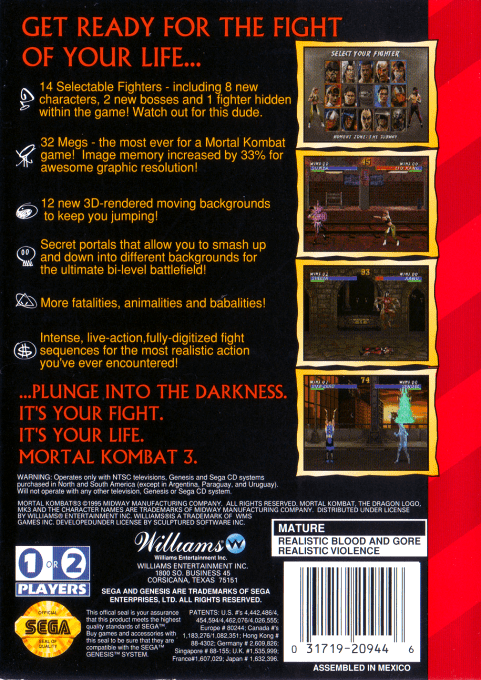
At its heart, Mortal Kombat 3 is a one-on-one fighting game built around choosing a warrior and defeating a succession of opponents. Players can enter the solo tower, select a difficulty through the Choose Your Destiny screen, or face another person in versus play. The roster combines returning fighters including Liu Kang, Kung Lao, Sonya Blade, Jax, Kano, Shang Tsung, and Sub-Zero with newcomers such as Cyrax, Sektor, Kabal, Nightwolf, Sindel, Sheeva, and Stryker. The journey culminates in battles with Motaro and Shao Kahn, while character endings add individual stakes to the broader Earthrealm invasion story.
The game expands the familiar high and low attacks, kicks, blocks, throws, special moves, and uppercuts with two defining combat systems. The Run command allows a fighter to dash forward for a limited time, helping close distance and creating openings for pressure and follow-up attacks. Mortal Kombat 3 also introduced chain combos, often called dial-a-combos: specific button sequences that produce a preset string of hits when started successfully. These can lead into airborne juggles, encouraging players to learn both their character’s fixed combinations and the timing needed to continue an assault.
Mortal Kombat 3 keeps the theatrical finishing-move tradition central to a match’s final round. Along with Fatalities, Babalities, and Friendships, it adds Animalities, which require a Mercy before the final defeat. Several arenas can change the course of a fight when an uppercut sends an opponent through a transition to another location, and some stages support their own finishing attacks. Two-player matches also use Kombat Kodes entered on the versus screen to alter selected conditions or reveal extra features, giving competitive sessions secrets to explore beyond the standard fighter selection.
The Genesis/Mega Drive edition is a distinct 16-bit adaptation of an arcade release developed and published by Midway in 1995, rather than the later Ultimate Mortal Kombat 3 update. It preserves the modern, urban-leaning look that set this installment apart from its predecessors, mixing city streets, rooftops, industrial spaces, and Outworld imagery behind the digitized cast. Mortal Kombat 3’s changes to movement, combos, stage design, and finishing moves made it an important transitional chapter for the series, while Ultimate Mortal Kombat 3 later revisited the formula with a revised roster and additional content.
Gallery
Details
- Developer
- Sculptured Software
- Publisher
- Acclaim
- Genre
- Fighting
- Players
- 1-2
- Release Date
- January 1, 1995
- System
- Genesis/Megadrive