About
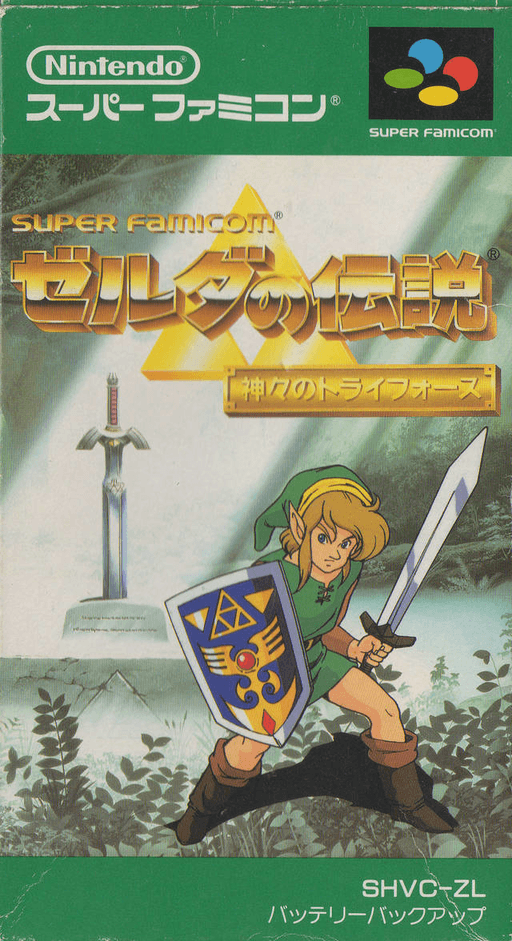
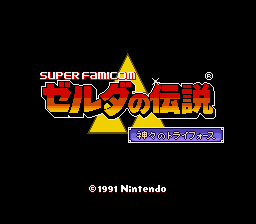
Zelda no Densetsu: Kamigami no Triforce for Satellaview is the Japanese broadcast edition of Nintendo’s 16-bit action-adventure, first made available through St.GIGA’s satellite service in 1997. Its title is the Japanese name of The Legend of Zelda: A Link to the Past, rather than a new entry in the series. Players used the Satellaview add-on for the Super Famicom to download the game during scheduled broadcasts, revisiting Nintendo’s 1991 Hyrule adventure through a service otherwise known for time-limited and specially structured programming.
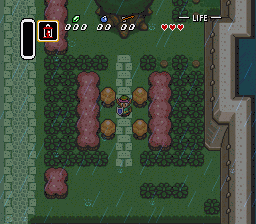
This release puts the player in control of Link from an overhead viewpoint. Link travels across Hyrule, enters towns and caves, and tackles multi-room dungeons in pursuit of Princess Zelda and the threat behind Hyrule’s crisis. Sword and shield use form the core of combat, while a growing inventory of tools opens routes through the world. Bombs, bows, magic, mobility items, and other equipment serve both combat and puzzle-solving roles, so gaining a new item often changes what can be reached in earlier areas.
Progress begins in Hyrule’s Light World, where Link searches for the means to challenge the wizard Agahnim. The adventure then expands into the Dark World, a transformed counterpart whose geography echoes the original map while its inhabitants, hazards, and dungeons differ. Movement between these two realms is central to exploration: a location, obstacle, or pathway in one world can provide the clue or access needed in the other. This structure gives the quest a broad sense of discovery without abandoning the clear dungeon-by-dungeon progression.
Dungeons combine enemy encounters, keys, switches, hidden passages, vertical floors, and boss battles. Their large treasure chests usually contain the equipment needed to overcome the area’s defining obstacles and move the story forward. Outside them, optional discoveries such as heart pieces reward careful exploration; collecting enough pieces increases Link’s health. The game also allows diagonal movement, making its version of the series’ top-down action more fluid while preserving the deliberate positioning needed for swordplay, projectiles, and environmental hazards.
The Satellaview edition is significant for what it does not change. Unlike the broadcast-exclusive BS Zelda games, it was not built around a live SoundLink presentation, voice material, an orchestral broadcast track, or weekly episodic objectives. Its game content follows the Japanese Super Famicom version of Kamigami no Triforce, with the Satellaview delivery format and related technical header information distinguishing the release. That makes it a preservation-minded way to identify the same full adventure within the history of Nintendo and St.GIGA’s satellite distribution service.
The broadcast version began on March 2, 1997 and returned in multiple runs through 2000, well after the original cartridge debut. It should not be confused with BS Zelda no Densetsu or BS Zelda no Densetsu: Inishie no Sekiban, which were separate Satellaview projects with their own presentation and structure. For this edition, the enduring appeal is the complete Kamigami no Triforce journey: a connected Hyrule, a parallel Dark World, item-led exploration, and a quest that builds from a castle rescue into a confrontation with Ganon and the Triforce.
Gallery

Details
- Developer
- Nintendo
- Publisher
- St. GIGA
- Genre
- Action-Adventure
- Players
- 1
- Release Date
- August 6, 1995
- System
- Satellaview