About
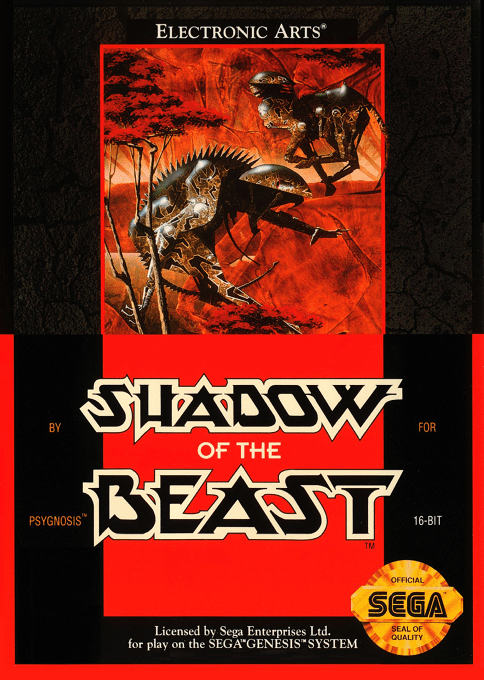
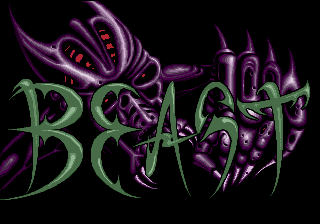
Shadow of the Beast for Sega Genesis, known as Shadow of the Beast on Mega Drive, is a 1991 single-player action platform game published by Electronic Arts. It brings Reflections Interactive's 1989 Amiga fantasy adventure to Sega's 16-bit console through a conversion by WJS Design. The Genesis and Mega Drive release is a distinct console version of the first game in the Shadow of the Beast series, rather than either of its later sequels or the 2016 reimagining. In Japan it arrived in 1992 as Shadow of the Beast: Mashou no Okite through Victor Musical Industries.
The story follows Aarbron, a man abducted in childhood and transformed into a fearsome servant of the Beast Lord Maletoth. When he witnesses the sacrifice of a man he recognizes as his father, memories of his former life return and turn obedience into a mission of revenge. Aarbron leaves the temple to cross Maletoth's hostile realm, seeking a way through its fortresses and monstrous defenders. The premise gives the game its unusual protagonist: the player controls a powerful-looking creature whose journey is also an attempt to break the curse that made him one.
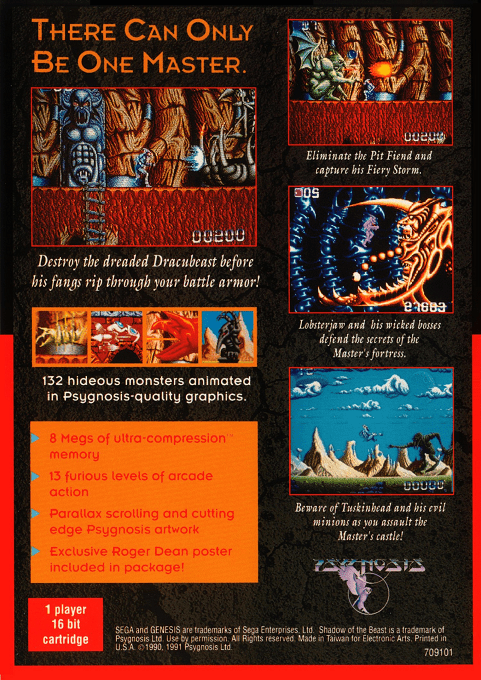
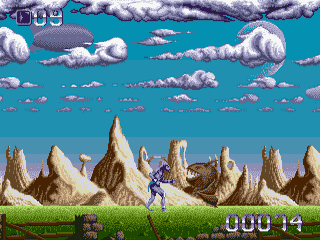
Shadow of the Beast Genesis is played from a side-on perspective as Aarbron travels through connected outdoor and indoor areas. Movement, jumping, ducking, punches and flying kicks form the basis of play. Enemies and traps demand careful timing, while routes through the world are controlled by keys, switches and items found along the way. Progress is not simply a matter of walking to the right: players must learn where useful objects are hidden, recognize hazards, and work out which passages or encounters lead onward. Major enemies punctuate the journey and reinforce the game's combination of platform navigation, combat and exploration.
The design is deliberately demanding. Aarbron has limited endurance, and danger can come from contact with foes as well as environmental obstacles that cannot be attacked away. That makes observation as important as aggression; a mistimed jump or an ill-judged approach can cost precious health. The game uses a compact set of actions instead of a long move list, so success comes from positioning, rhythm and remembering the world. It is a solo adventure, built around seeing Aarbron from the opening landscape to Maletoth's domain rather than around separate stages, selectable characters or multiplayer competition.
The Mega Drive conversion belongs to the wide early-1990s spread of ports that carried Shadow of the Beast beyond its Amiga debut. Its Western cartridges were issued by Electronic Arts in 1991 for both Genesis and Mega Drive territories, while the Japanese release used the subtitle Mashou no Okite and appeared in March 1992. The version preserves the series' dark fantasy identity, including Aarbron's quest and the distinctive surreal world associated with the original game's Roger Dean cover art, while adapting the experience to Sega hardware. It also has its own credits and presentation, with WJS Design responsible for the port and DC Productions credited for its music work.
For players exploring the Genesis/Mega Drive library, Shadow of the Beast is a notable example of an Amiga-era showcase reworked for a home console. The original game became closely associated with elaborate scrolling scenery and David Whittaker's atmospheric music, and its success led to Shadow of the Beast II and Shadow of the Beast III. This first installment remains the starting point for Aarbron's story: a focused, severe action-platform quest whose routes, keys, combat encounters and forbidding setting distinguish it from straightforward level-by-level platform games.
Gallery
Details
- Developer
- Reflections Interactive
- Publisher
- Electronic Arts
- Genre
- Platformer
- Players
- 1
- Release Date
- November 1, 1991
- System
- Genesis/Megadrive