About
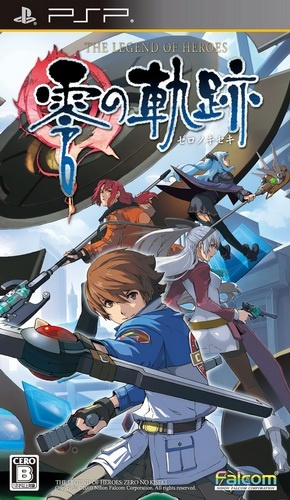
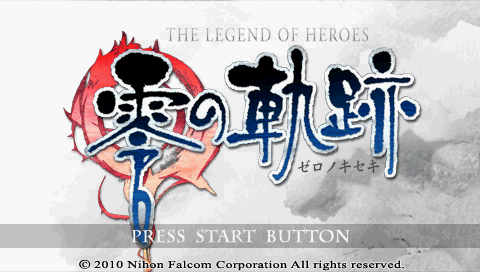
Eiyuu Densetsu: Zero no Kiseki for PSP is a 2010 Japanese role-playing game from Nihon Falcom, released in Japan on September 30, 2010. Known internationally as The Legend of Heroes: Trails from Zero, this is the original PlayStation Portable entry rather than the later Evolution, Kai, or Western releases. It begins a new chapter of Falcom's long-running Trails line, following the Sky trilogy with a new location and central cast while preserving the series' focus on ongoing character stories and tactical battles.
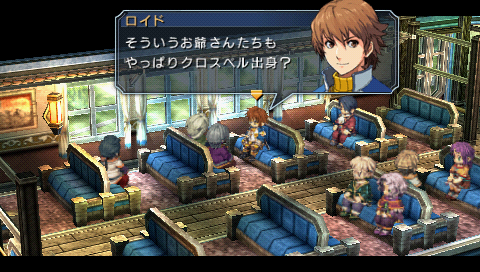
The adventure takes place in Crossbell, an autonomous state whose prosperous trade and finance hub sits between the Erebonian Empire and the Calvard Republic. International pressure, political interests, and criminal groups coexist beneath the surface of the growing city. Into that setting comes Lloyd Bannings, a rookie investigator returning to Crossbell after completing police training. He is assigned to the new Special Support Section, a small police department intended to restore public trust through work that ranges from helping local residents to taking on more dangerous investigations.
Lloyd works alongside Elie MacDowell, Randy Orlando, and Tio Plato. Their differing backgrounds give the group a distinct perspective on the city and its institutions, while the story follows their efforts to establish themselves as a dependable team. Crossbell is more than a backdrop: its districts, citizens, political tensions, and underworld give the game a city-centered structure that contrasts with a journey built solely around moving from one remote town to the next. Familiar faces from the earlier Trails in the Sky games also connect this new cast and region to the broader series.
Exploration, story scenes, and requests lead into the series' turn-based AT, or Action Time, battle system. Combat uses a turn order that makes timing, positioning, and the choice of target important. Characters can attack, move, use items, or spend resources on their own Crafts—special techniques with effects ranging from attacks to healing and stat support. Craft Points build as characters deal and receive damage, allowing the party to use stronger abilities as a fight develops. The PSP game also introduces cooperative options such as Combo Crafts and Support Crafts, encouraging players to consider how party members work together rather than relying on one fighter alone.
Character customization centers on the Enigma, a tactical orbment carried by each party member. Equipping quartz can raise attributes and, according to the combinations used, opens access to different Arts, the setting's energy-consuming magic. This creates a second layer of planning beside each character's innate skills: a party can be shaped for direct damage, recovery, status effects, or support before a battle begins. It also lets the player adapt to changing enemy groups without losing the individual roles that define Lloyd and his partners.
Zero no Kiseki was developed and published by Falcom as a story RPG for one player on PSP. It received an Award for Excellence at the 2011 Japan Game Awards, where the organizers identified it as a sequel to Trails in the Sky and highlighted its world, story, and characters. Its direct follow-up, Ao no Kiseki, continues the Crossbell storyline. For players exploring the original Japanese handheld release, Eiyuu Densetsu: Zero no Kiseki remains the starting point for the Crossbell arc: a police-team RPG built around one densely connected city, a new ensemble, and the strategic systems that define the Trails series.
Gallery

Details
- Developer
- Falcom
- Publisher
- Falcom
- Genre
- JRPG
- Players
- 1
- Release Date
- September 30, 2010
- System
- PSP