About
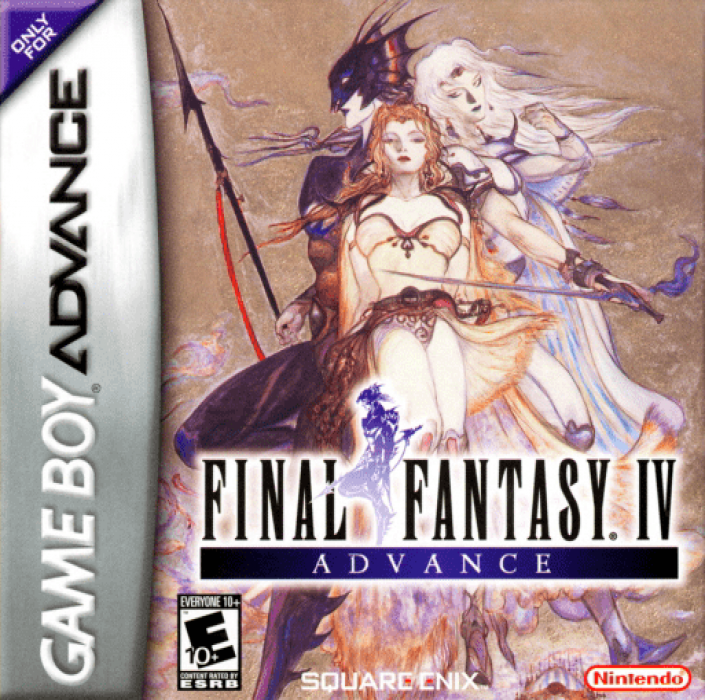
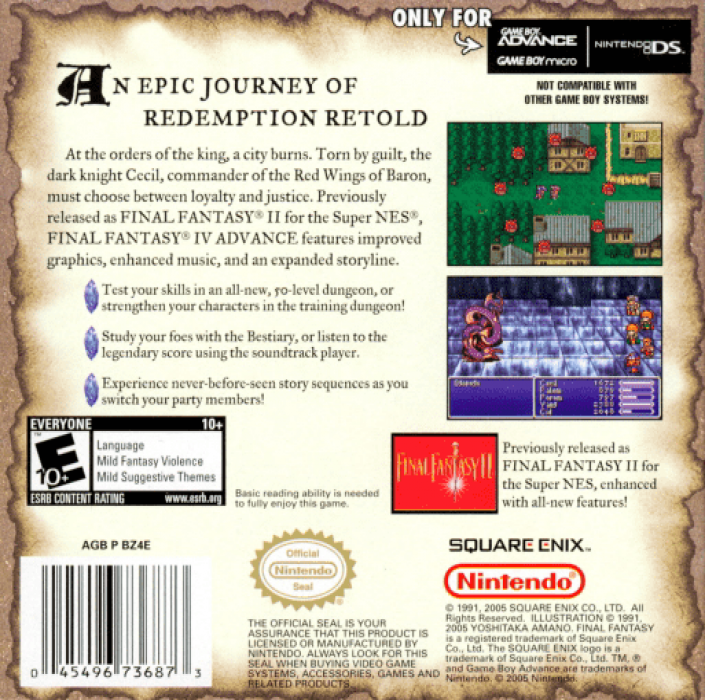
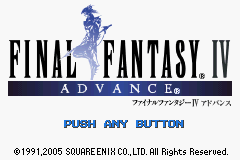
Final Fantasy IV Advance is TOSE's enhanced Game Boy Advance version of Square's 1991 role-playing game. Nintendo published this North American edition on December 12, 2005, while Square Enix released it in Japan three days later. It restores the original series number after the Super NES localization had been called Final Fantasy II in North America.
The adventure follows Cecil Harvey, captain of Baron's Red Wings and a dark knight troubled by the kingdom's campaign to seize elemental crystals. Cast out after questioning his orders, Cecil begins a journey that takes him from Mist and Mysidia to the underground world and the Moon. His path toward becoming a paladin anchors a story of guilt, loyalty, family, and resistance to Golbez and the Lunarian threat behind him.
Battles use the Active Time Battle system: each combatant's gauge fills according to speed, so commands must be chosen as opportunities arise rather than in a fixed turn order. Players can arrange up to five characters in front and back rows, then draw on each hero's fixed role, from Cecil's swordplay and Rosa's white magic to Rydia's black magic and summons. Equipment, spells, items, and character abilities steadily expand the party's tactical options.
The quest's changing cast is central to its progression. Allies enter and leave as the story moves through crystal hunts, airship travel, fiend battles, and trips between the surface and underworld; their established jobs give each a distinct battlefield purpose. Experience raises statistics and unlocks predetermined spells or abilities, while towns and dungeons supply the weapons, armor, recovery, and clues needed to press onward.
Advance adds the Cave of Trials at Mount Ordeals, where powerful equipment can be earned for five characters who were not part of the original game's usual final lineup. After the Giant of Babil sequence, the player can select from Edward, Yang, Palom, Porom, and Cid alongside Cecil, giving the endgame party more flexibility. The Lunar Ruins provide a further late-game challenge with special areas, rare rewards, and an additional encounter with Zeromus.
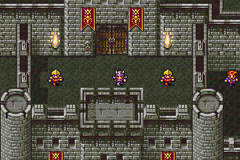
This port builds on the WonderSwan Color remake with further sprite and background refinements plus small musical changes. Its English script was revised for smoother dialogue and restores details missing from the first North American release; commands and spell names also follow later terminology, such as Thundara. The GBA version therefore preserves the 2D adventure while combining its classic narrative and ATB battles with content and party options absent from the original release.
Gallery
Details
- Developer
- TOSE
- Publisher
- Nintendo
- Genre
- JRPG
- Players
- 1
- Release Date
- December 12, 2005
- System
- GBA