About
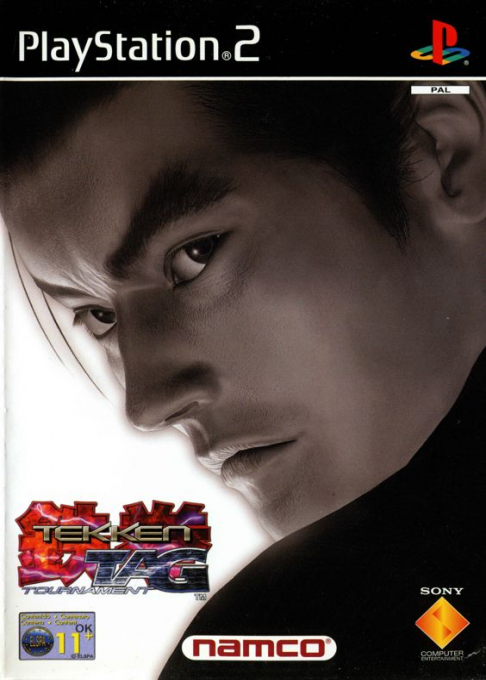
Tekken Tag Tournament brings Namco’s 3D fighting series to PlayStation 2 with a simple twist that changes every exchange: each side selects a pair of combatants. It is a standalone, non-canon celebration of the earlier Tekken roster rather than the next numbered chapter, inviting familiar rivals from the original PlayStation trilogy into a fast, flashy two-on-two contest. The game’s October 2000 North American PS2 release arrived at the console’s launch, and its deep selection of fighters makes it especially welcoming for anyone who has a favorite from Tekken, Tekken 2, or Tekken 3.
The central tag system rewards timing as much as aggression. A player can exchange the active fighter for their partner during a match, letting the resting character recover some health while bringing in a new moveset and a fresh tactical problem for the opponent. Tags can extend attacks, capitalize on throws, or pull a damaged partner out before the round slips away. Victory is not simply about protecting both life bars: losing either member of the team ends the round, so choosing when to switch can be as important as landing the last strike.
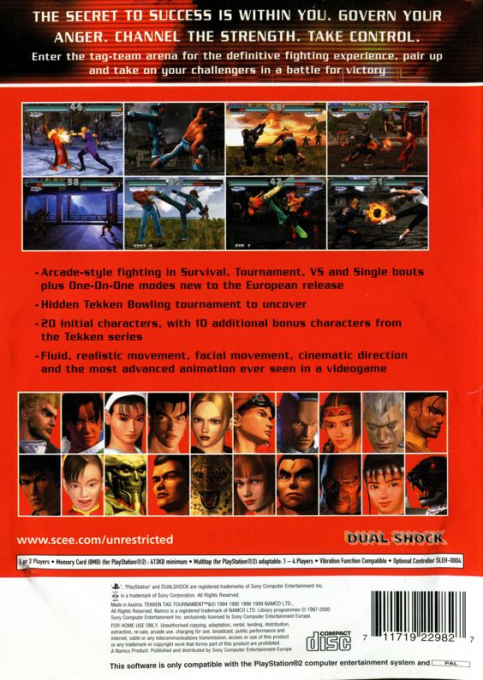
The roster is built around returning combatants, with a broad mix of martial artists, wrestlers, robots, animals, and Mishima family adversaries. Their established fighting styles give teams distinct personalities, whether the goal is to pair strong launchers with a reliable close-range fighter or simply put two personal favorites together. The PS2 version also includes Tetsujin and makes Unknown, the game’s boss, playable after being unlocked. Unknown can imitate other characters’ styles, making her a deliberately unpredictable choice outside the standard cast.
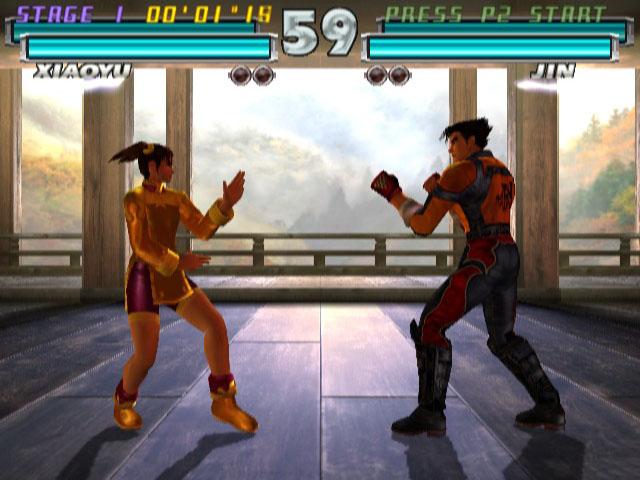
This PlayStation 2 edition is more than a direct copy of the 1999 arcade game. The arcade release ran on Namco System 12 hardware and drew heavily on the visual technology of Tekken 3. On PS2, Namco rebuilt the presentation with substantially richer character models, environments, lighting, and effects, alongside altered stage music and backgrounds. It retains the arcade game’s tag-fighting foundation but presents it as a major early showcase for Sony’s new hardware, with the cleaner image and animation detail that made the home release stand apart from its coin-op predecessor.
There is plenty to do away from the core tag arcade ladder. One-on-One mode removes the partner mechanic for a more traditional Tekken duel, while Team Battle lets players assemble longer squads for consecutive fights. Time Attack, Survival, Versus, and Practice provide familiar ways to test skill alone or locally with friends. Unlockable extras include a theater for character endings and a gallery that lets players capture paused action to a memory card. These options give the game an approachable party-game side without taking focus away from the deliberate movement, juggles, and counterplay of its 3D bouts.
Tekken Bowl is the PS2 version’s most playful diversion. Instead of treating bowling as a separate novelty, it sends selected fighters down the lane and turns their individual attributes into part of the challenge. It is a light contrast to the tournament combat, but it also reinforces the home conversion’s generous collection of modes and unlockables. Between matches, secret characters, alternate costumes, and side content, the game offers reasons to keep playing even when no opponent is in the room.
Later players should not confuse this release with Tekken Tag Tournament HD. That 2011 PlayStation 3 remaster, included with Tekken Hybrid, is based on the PS2 version and adds high-definition visuals and Trophy support. It is neither the 1999 System 12 arcade original nor a new entry in the series. The PlayStation 2 game remains the defining home version of the first Tag Tournament: a polished early PS2 fighter that combines a large legacy cast with a tag mechanic that keeps every round tense, flexible, and fun to revisit.
Gallery
Details
- Developer
- Namco
- Publisher
- Sony Computer Entertainment
- Genre
- Fighting
- Players
- 1-4
- Release Date
- October 25, 2000
- System
- PS2