About
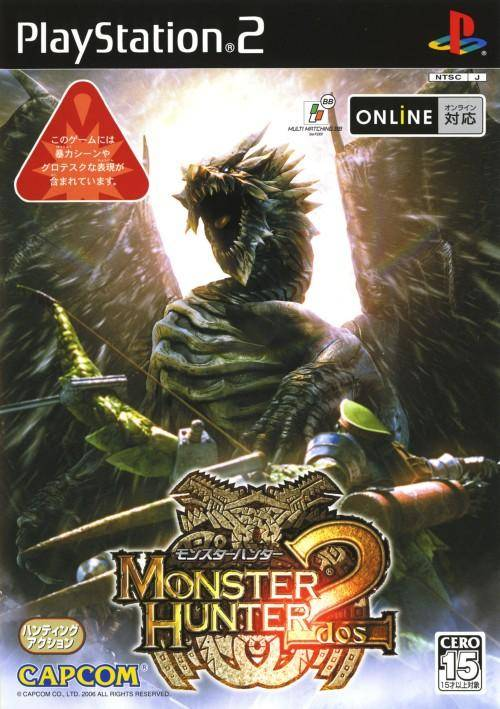
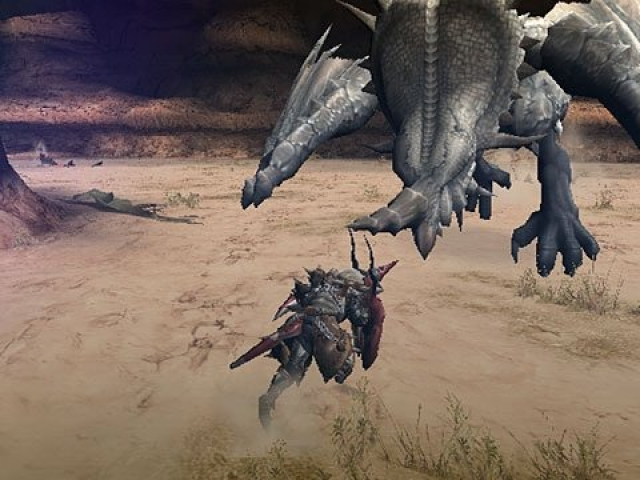
Monster Hunter 2 for PlayStation 2, known in Japan as Monster Hunter 2 (Dos), is Capcom’s 2006 hunting action role-playing game and the second numbered main entry in the long-running series. Released in Japan on February 16, 2006, it puts a newly created hunter into a frontier world where survival and advancement depend on preparation as much as combat. Players accept jobs from villages and gathering halls, venture into wide outdoor areas, and use the rewards from successful expeditions to build increasingly specialized equipment.
Each hunt begins with a practical goal: track down a large creature, cull smaller monsters, gather supplies, or deliver specific materials. Before leaving, the hunter chooses a weapon, armor, consumables, and limited inventory space, then has to read the terrain and the monster’s behavior once the quest begins. Fights are deliberately physical and commitment-heavy. Attacks have reach and recovery time, healing leaves the hunter exposed, and positioning, stamina, sharpness, and item timing all matter. Rather than gaining strength through a conventional character level, progress comes chiefly from learning encounters and improving the gear made from their spoils.
Monster Hunter 2 builds on the original game’s weapon families while adding options that became enduring parts of the series, including the Long Sword, Hunting Horn, Gunlance, Bow, and Dual Blades. These tools give hunts markedly different rhythms, from close-range blocking and shelling to mobile archery or team-oriented horn performances. Equipment follows expanded upgrade paths, while individual armor pieces contribute skill points. The game also introduced decorations, created from materials and fitted into compatible slots, allowing hunters to tailor a set toward useful abilities instead of relying only on a complete armor collection.
The game frames these systems as a hunter’s everyday life rather than a sequence of disconnected battles. Its Jumbo Village base grows alongside the player’s accomplishments, providing places to prepare meals, forge equipment, manage supplies, and take on quests. In the field, gathering ore, plants, insects, and monster parts is inseparable from combat because those resources feed crafting and upgrades. Subquests add optional tasks within larger expeditions, and both solo and online play support the central loop of preparing, hunting, returning with materials, and setting a tougher objective.
A defining feature of Monster Hunter 2 is its changing calendar. Warm and cold seasons, together with a day-and-night cycle, affect the feel of the wilderness and encourage hunters to think about conditions before departing. Areas and monsters are not simply static backdrops: the game uses time and season to emphasize the routines of its world and the need to bring appropriate supplies. New locales and a larger monster roster expanded the challenges beyond the first game, with creatures such as Kushala Daora, Chameleos, Teostra, Lunastra, Rajang, Congalala, and Blangonga helping establish ideas that would reappear throughout later Monster Hunter installments.
Although Monster Hunter 2 remained a Japanese PlayStation 2 release, its ideas traveled further through the series. Monster Hunter Freedom 2 on PSP draws from its generation of monsters and mechanics, but it is not a direct one-for-one port: the PS2 game retains its own village, online-focused town structure, seasonal cycle, and console presentation. As the final Monster Hunter released for PlayStation 2, Dos captures a formative stage for Capcom’s hunting formula—one where cooperative quests, material-based crafting, demanding battles, and an evolving living environment were being refined into features that would define the franchise’s future.
Gallery
Details
- Developer
- Capcom
- Publisher
- Capcom
- Genre
- JRPG
- Players
- 1
- Release Date
- February 16, 2006
- System
- PS2