About
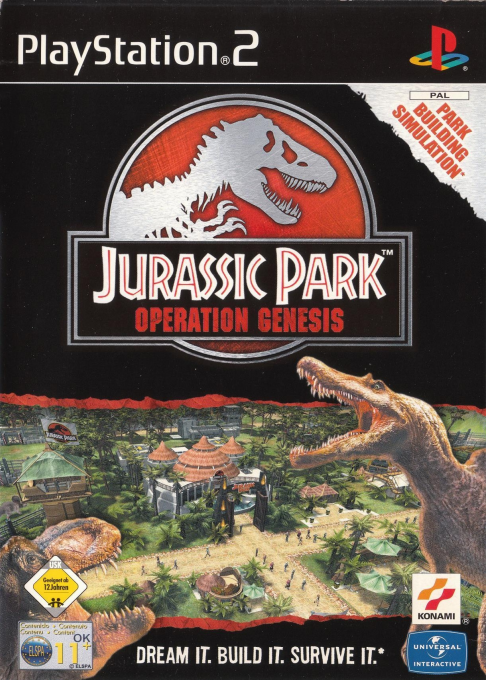
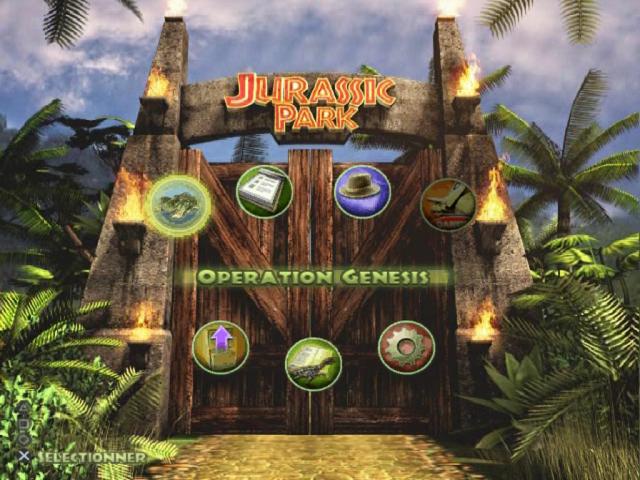
Jurassic Park: Operation Genesis for PlayStation 2 is a dinosaur theme-park management simulation from Blue Tongue Entertainment, published by Universal Interactive in March 2003. Instead of sending the player into a Jurassic Park action adventure, it puts them in charge of creating the attraction itself: planning an island park, acquiring prehistoric animals, welcoming guests, and building a business that can earn a five-star rating. The PS2 release brought this management premise to a console alongside PC and Xbox versions, using the Jurassic Park setting as the backdrop for a game about planning, risk, and the consequences of trying to contain living exhibits.
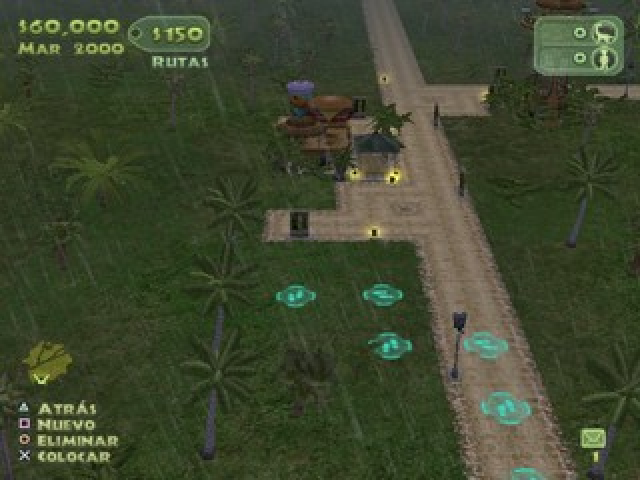
A new park begins as undeveloped terrain. Players lay out paths and practical visitor facilities, then add viewing structures and larger attractions intended to make the island appealing and profitable. Decisions affect more than the balance sheet. Guests need services and access to the park, while each exhibit has to be designed with its residents in mind. The long-term aim is to expand an operation capable of attracting visitors without letting its animals, infrastructure, or finances fall into disorder. Research opens further park options, so progress comes from balancing immediate needs with improvements that can strengthen the park later.
Dinosaurs are not simply purchased from a menu. Operation Genesis asks the player to dispatch teams to fossil sites, recover material, and extract enough DNA to hatch particular species. The quality of the recovered genetic material matters to the process, giving excavation a direct role in the park-building loop. Once animals arrive, their care demands suitable food, water, space, social conditions, and security. Herbivores and carnivores create different management problems, and the most dangerous species can be valuable crowd-pullers while also requiring the strongest safeguards. A successful enclosure therefore has to consider animal welfare as well as what visitors want to see.
The game’s simulation is punctuated by hazards that fit the series’ central premise. Disease, storms, stressed dinosaurs, and inadequate containment can force the player to react rather than simply continue construction. Security and medical research are part of keeping an established park functioning, and escaped animals can turn poor planning into an emergency. Players can also view the park more closely through its attractions and observation facilities, while certain rides offer a more direct look at the animals and island. That combination of overhead management with close-range observation gives the dinosaur park a more physical presence than a spreadsheet of income and expenses alone.
Alongside its open-ended park building, the PlayStation 2 game includes missions that set focused challenges, such as managing dinosaur-related crises and taking photographs during safari-style outings. Completing them unlocks Site B, a separate mode devoted to creating a dinosaur-only island without visitors, fences, or conventional park buildings. It shifts attention from commercial management to arranging a self-contained prehistoric population. The game contains 25 dinosaur species, from smaller animals to imposing herbivores and major predators, providing different requirements and levels of visitor appeal as a park grows.
Operation Genesis arrived when the Jurassic Park license was better known in games for action-oriented adaptations. Blue Tongue’s developers instead set out to make a cinematic simulation that could work on consoles as well as PC, building technology for the multi-platform project in the process. The studio’s postmortem describes the game as a roughly two-year production and notes that its scope was reduced from earlier plans, including a larger dinosaur roster. For PS2 players, Jurassic Park: Operation Genesis remains a distinctive series entry: a management game where the famous dinosaurs are both the attraction that drives the park forward and the unpredictable responsibility that can bring it down.
Gallery

Details
- Developer
- Blue Tongue Entertainment
- Publisher
- Universal Interactive
- Genre
- Management Simulation
- Players
- 1
- Release Date
- March 26, 2003
- System
- PS2