About
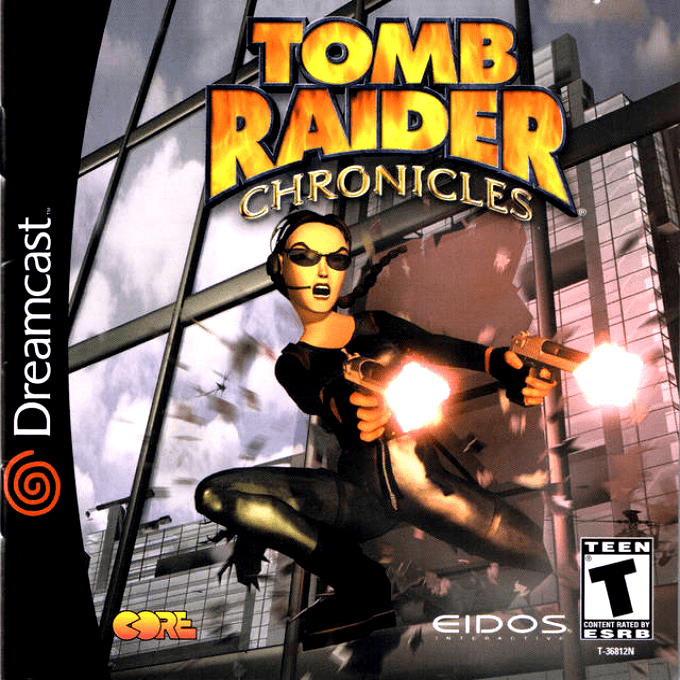
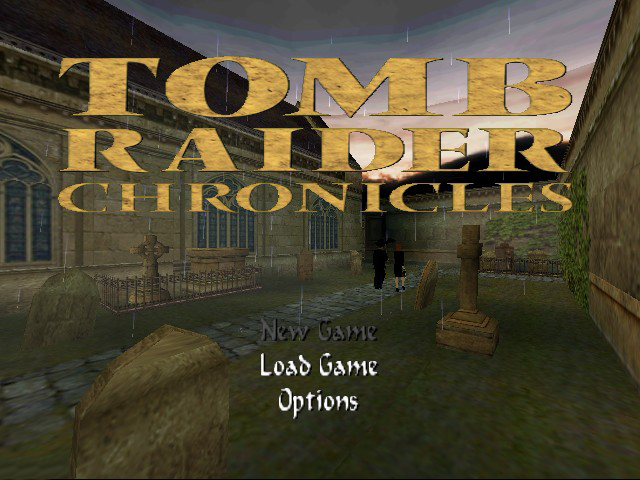
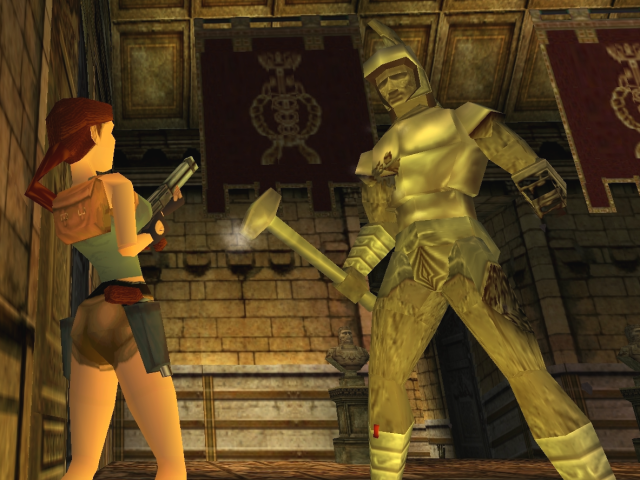
Tomb Raider: Chronicles for Dreamcast is the 2000 action-adventure from Core Design and Eidos Interactive, and the fifth main entry in the original Tomb Raider series. It begins immediately after Tomb Raider: The Last Revelation, with archaeologist Lara Croft believed lost beneath Egypt’s Great Pyramid. Rather than follow one continuous expedition, the game frames its campaign as recollections shared at Croft Manor by people who knew Lara, turning the adventure into four distinct episodes from different points in her career. The Dreamcast release arrived alongside the PlayStation and Windows versions, bringing the classic Lara Croft formula of exploration, acrobatics, puzzles, traps, and firearm combat to Sega’s final console.
Play unfolds from a third-person viewpoint, with the deliberate tank-style movement and fixed or tracking camera angles associated with Core Design’s early Tomb Raider games. Lara searches sprawling rooms, ruins, corridors, and underwater spaces for keys, switches, usable objects, supplies, and secrets. Progress regularly depends on reading the architecture: judging a jump, finding a climbable ledge, noticing a movable object, or tracing a route through a hazardous chamber. Her signature pistols have unlimited ammunition, while stronger weapons and healing items are collected during the journey. Swimming, wading, crawling, climbing ladders and ledges, hanging from monkey bars, rolling, and carefully managing position are all central to overcoming the game’s environmental challenges.
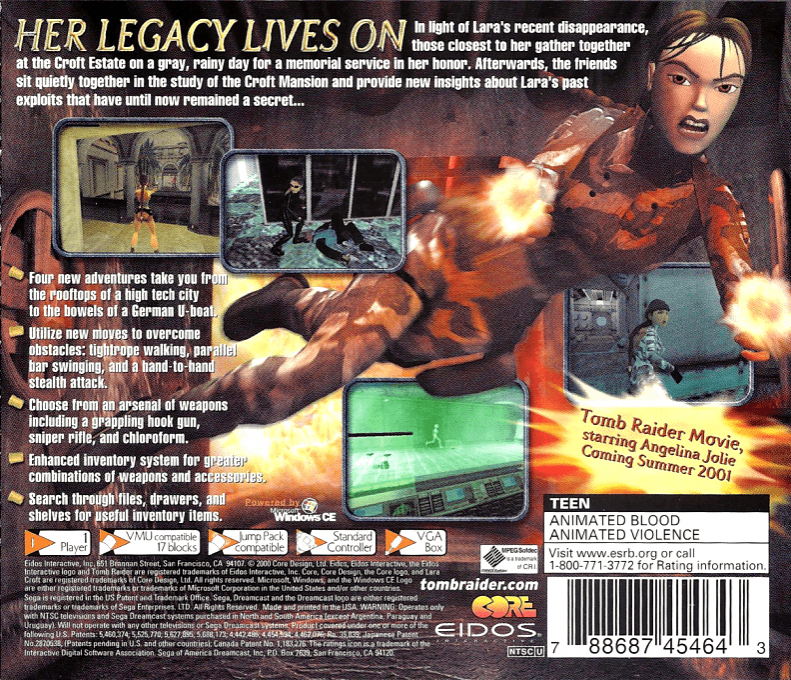
Chronicles expands that familiar toolkit with several situational moves and devices. Lara can balance across tightropes, swing from horizontal bars, and perform a forward flip while emerging from a crouched space; these additions give individual rooms new ways to test timing and orientation. Equipment also supports the level design, including binoculars for examining distant details, a crowbar for particular locks and mechanisms, and a grapple gun used to create routes across gaps. The Dreamcast game is a single-player adventure, and its controls are built around steady traversal as much as combat. The separate Tomb Raider level editor released with the Windows edition is not part of the Dreamcast version.
The four stories deliberately vary Lara’s surroundings and circumstances. In Rome, she investigates catacombs connected with the Philosopher’s Stone while familiar rivals Larson Conway and Pierre DuPont pursue the same prize. A Russian chapter takes her toward the Spear of Destiny through military and underwater locations, including a deep-sea sequence that uses a special diving suit. The Irish episode looks back to a teenage Lara on a remote island shaped by supernatural folklore; she begins without weapons, so observation and evasion take precedence. The final New York chapter places her inside the high-security headquarters of her former mentor Werner Von Croy as she seeks the Iris artefact, adding stealth-oriented situations and more restricted ammunition.
That anthology structure makes Tomb Raider: Chronicles a notable bridge between the Egyptian ending of The Last Revelation and the next era of the series. Its chapter-to-chapter changes in setting and rules let Core Design revisit the strengths of classic Tomb Raider while giving each memory a distinct mood, from old stone passages and submerged wreckage to a haunted island and a modern corporate complex. For Dreamcast players, Tomb Raider: Chronicles remains a late-era console entry centered on Lara Croft’s precise platforming, artifact hunts, puzzle-led exploration, and the serial storytelling that defined the original Core Design run.
Gallery
Details
- Developer
- Core Design
- Publisher
- Eidos Interactive
- Genre
- Other Adventure
- Players
- 1
- Release Date
- November 19, 2000
- System
- Dreamcast