About
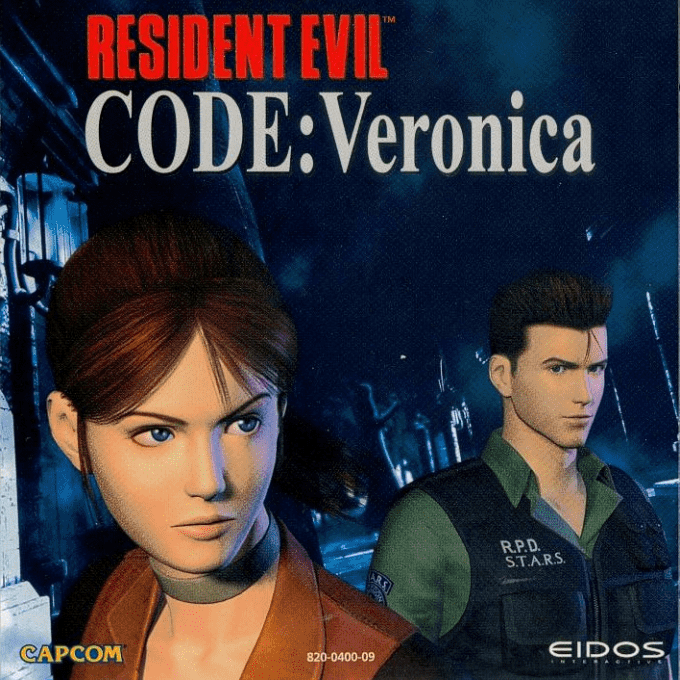
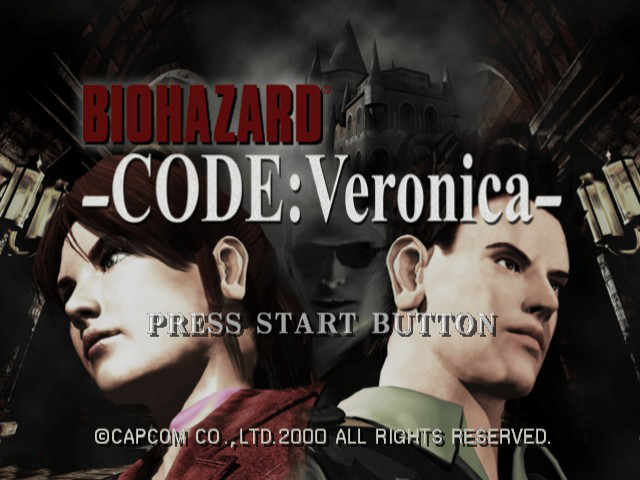
Resident Evil Code: Veronica brought Capcom's survival-horror series to Sega Dreamcast in 2000. Developed by Capcom, with Eidos Interactive publishing this Dreamcast release in the catalogued market, it follows the aftermath of Raccoon City's disaster while moving the series into a more expansive, fully 3D presentation. This is the original Code: Veronica, not the later Code: Veronica X revision: the expanded edition added story scenes, while the Dreamcast original remains a landmark of the console's library.
Claire Redfield begins the story still searching for her brother Chris. After pursuing Umbrella in Paris, she is captured and sent to Rockfort Island, where a T-virus outbreak has reduced the prison complex and its surrounding facilities to dangerous territory. Claire joins fellow prisoner Steve Burnside in a bid to escape, but the Ashford family's history and the T-Veronica virus lead the story from the island toward an Antarctic Umbrella facility.
The adventure does not stay with Claire throughout. Chris Redfield arrives to investigate after learning of his sister's situation, and the player eventually takes control of him as the search continues. That change of viewpoint makes the siblings' reunion part of the game's structure rather than just a cutscene goal, while Albert Wesker's return adds another pursuit to the conflict around the virus.
Code: Veronica keeps the deliberate survival-horror rhythm of classic Resident Evil. Players explore interconnected rooms, corridors, courtyards, and laboratories, reading files and examining objects for the clues that unlock the next route. Progress commonly depends on finding a key item, understanding where it belongs, and revisiting earlier locations with new access.
Combat asks for restraint as much as aim. Claire and Chris face zombies and more specialized bio-organic threats with a changing selection of firearms and ammunition, so choosing when to fight, when to evade, and which weapon suits an encounter matters. Healing supplies are valuable, and saves determine how much ground must be retraced after a defeat.
Puzzles and inventory management are central to the tension. Each character can carry only a limited number of objects, making storage boxes, item combinations, and careful examination essential parts of planning. Important puzzle pieces can look ordinary at first, and notes collected during exploration can point toward solutions, rewarding attention to both the environment and the status screen.
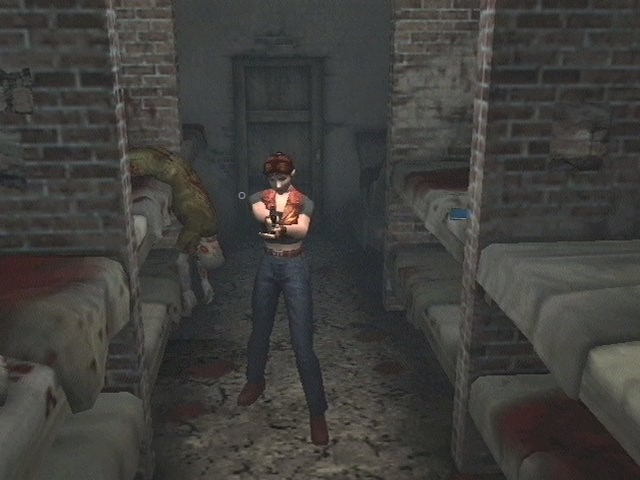
On Dreamcast, Code: Veronica marked a technical shift for the series with real-time 3D environments in place of the earlier pre-rendered backdrops. Its camera can follow, pan, and change framing as characters move through the world, giving the game's gothic island and Antarctic settings a more fluid sense of space. For Dreamcast players, it is a substantial, story-driven Resident Evil entry that combines the series' classic tank-control survival mechanics with a distinctly sixth-generation visual showcase.
Gallery

Details
- Developer
- Capcom
- Publisher
- Eidos Interactive
- Genre
- Survival Horror
- Players
- 1
- Release Date
- March 29, 2000
- System
- Dreamcast