About
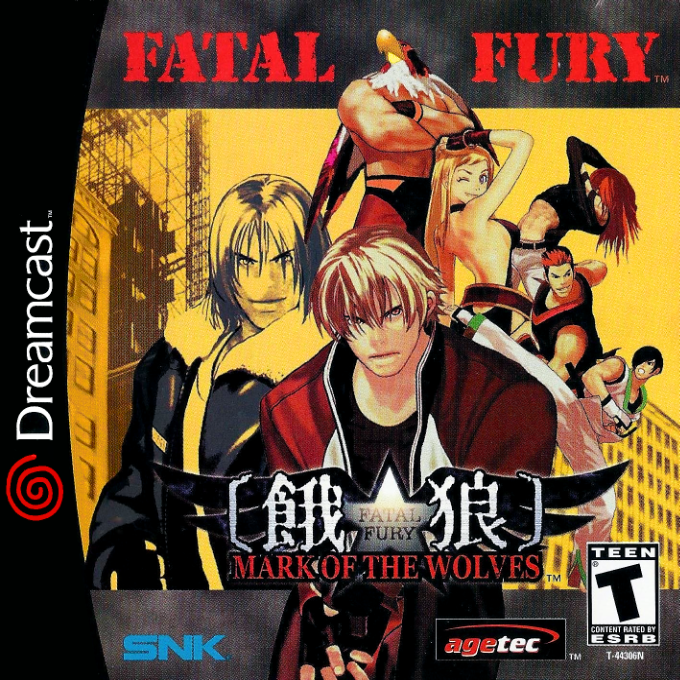
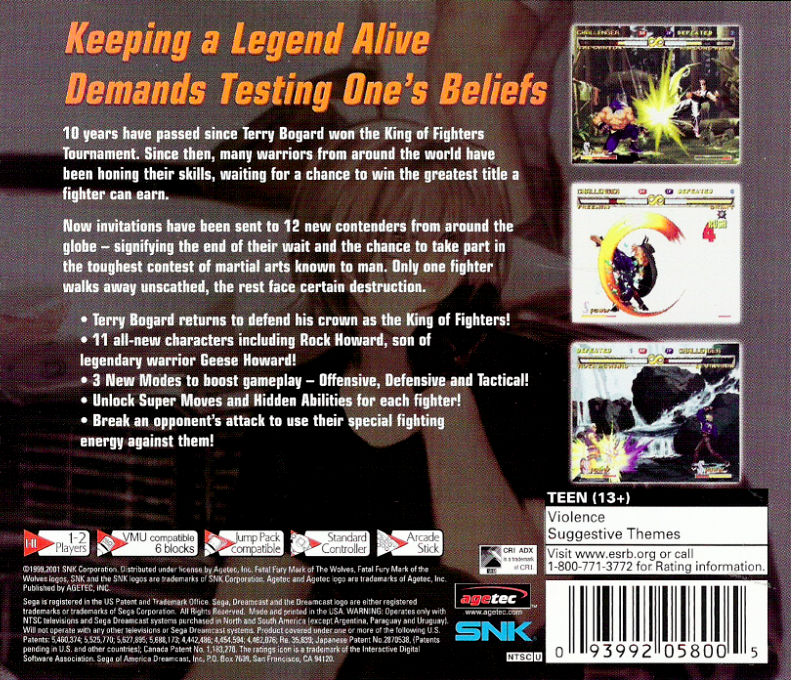
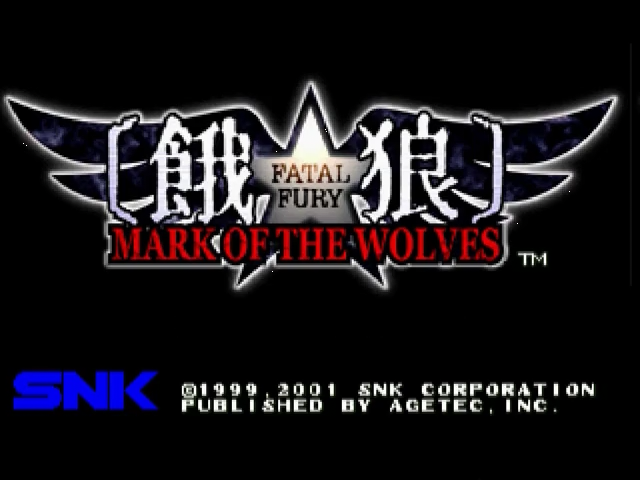
Fatal Fury: Mark of the Wolves for Dreamcast is SNK’s 2001 console release of Garou: Mark of the Wolves, the 1999 Neo Geo fighting game that reworks the long-running Fatal Fury formula around a new generation of combatants. Developed and published by SNK, it arrived in North America on Dreamcast under the Fatal Fury name while Japan received it as Garou: Mark of the Wolves. The story takes place years after the fall of South Town crime lord Geese Howard. Terry Bogard has become guardian to Geese’s son, Rock Howard, and the two enter a new King of Fighters tournament after an invitation hints at answers about Rock’s family.
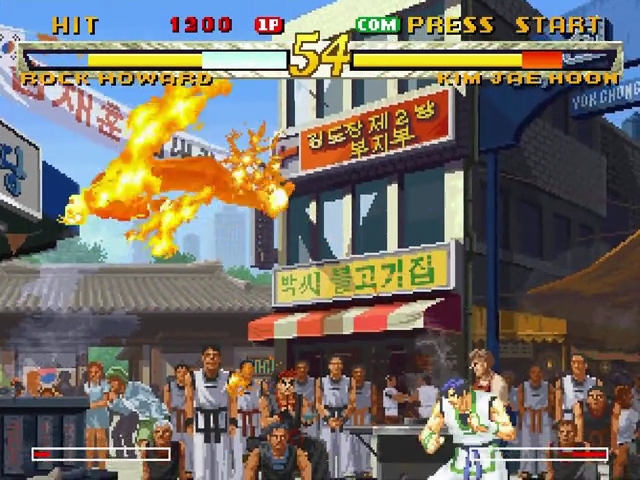
Matches are fast, one-on-one 2D contests built around movement, normal attacks, throws, special techniques and super moves. The game abandons the foreground-and-background lane switching used by several earlier Fatal Fury entries, keeping both fighters on a single plane and putting the emphasis on spacing, timing and pressure. Its four-button setup divides punches and kicks into light and strong attacks, while character-specific commands turn those fundamentals into projectiles, anti-air moves, rushing attacks, throws and combo opportunities. As in other fighting games, victory comes from emptying an opponent’s life bar across the required rounds, but the systems give each exchange more than one way to swing momentum.
Before a fight, each player places the highlighted Tactical Offense Position, or T.O.P., zone on a chosen part of their life bar. Reaching that range activates a temporary advantage: the character gains access to a T.O.P. attack, deals increased damage and gradually recovers a small amount of health. The choice creates a strategic tradeoff. A player can arrange the zone to help open a match, to make a comeback possible at low health, or to reward the middle of a close round. Just Defend is the game’s precision-blocking mechanic. Guarding an incoming attack at the last possible moment restores a little life and lets the defender recover quickly enough to challenge the attacker, so disciplined defense can become the beginning of a counterattack rather than a purely passive response.
Breaking adds another layer to offense. Certain special moves can be interrupted during their animation, allowing a fighter to reduce the usual recovery and link attacks in new ways. These mechanics sit alongside the series’ familiar meter management and character-specific move sets, giving the game room for straightforward matches as well as more technical play. Arcade battles build toward the tournament’s powerful organizers, Grant and Kain R. Heinlein, while the Dreamcast release also offers a Survival mode that asks players to defeat successive opponents with only limited health recovery between fights. Unlockable artwork and character material provide an additional reason to revisit the single-player modes.
Rock is the central newcomer, a young fighter whose style reflects both his connection to Geese and the influence of Terry. Terry is the lone veteran from the previous Fatal Fury cast, now portrayed as an older mentor rather than the series’ sole focal point. The remaining roster introduces fighters with their own links to the wider South Town world, including the pirate B. Jenet, martial artist Marco Rodrigues, wrestler Tizoc, brothers Kim Dong Hwan and Kim Jae Hoon, and the mysterious Kain. Their stages range across the tournament’s Second Southtown setting, and their varied fighting styles give the game a deliberately fresh identity while retaining the series’ setting and history.
For Dreamcast owners, Fatal Fury: Mark of the Wolves presented one of SNK’s most accomplished Neo Geo-era fighters on Sega’s final console. Its colorful hand-drawn sprites, animated special effects and distinctive character redesigns carry the arcade game’s visual style to the home release. The Dreamcast version is especially notable as the North American release of this chapter, while the original Japanese version used the Garou title. Mark of the Wolves also became an important bridge in the Fatal Fury story: it moves the focus from Terry’s original rivalry with Geese to Rock’s unresolved past, and its blend of a largely new cast with systems such as T.O.P., Just Defend and Breaking defines this late-series entry.
Gallery
Details
- Developer
- SNK
- Publisher
- SNK
- Genre
- Fighting
- Players
- 1-2
- Release Date
- November 23, 2001
- System
- Dreamcast