About
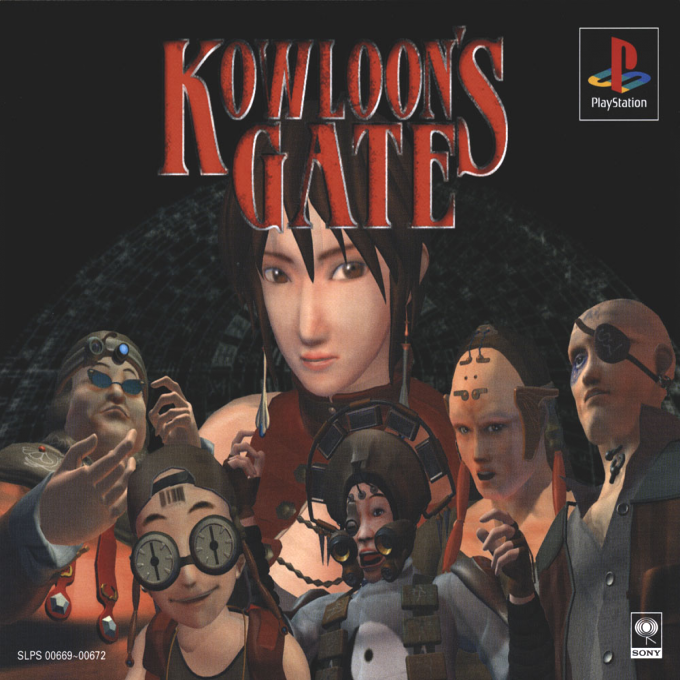
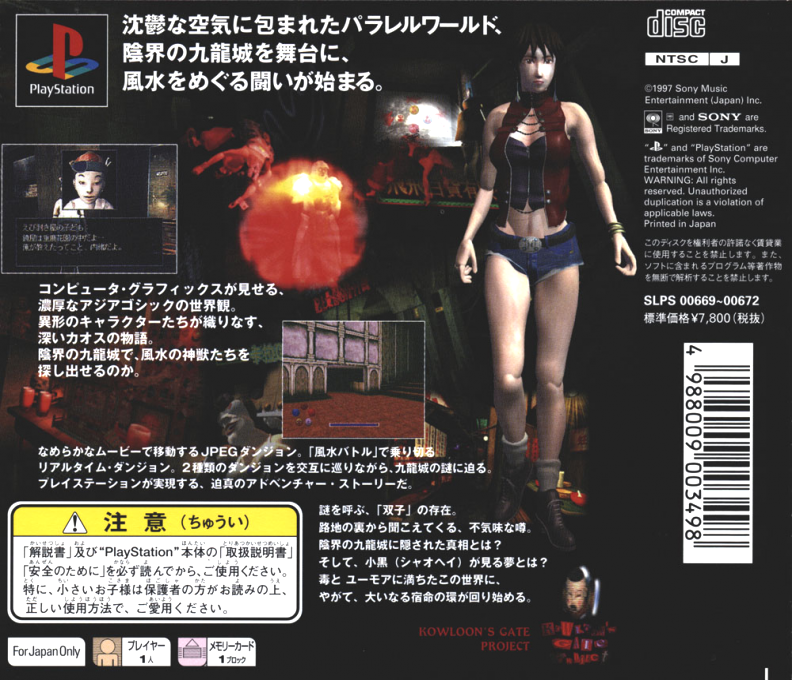
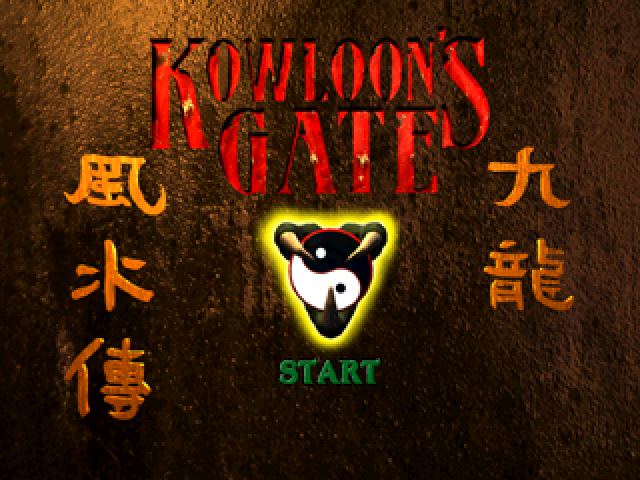
Kowloon’s Gate for PlayStation is a first-person adventure game released in Japan on February 28, 1997. Developed by Zeque and published by Sony Music Entertainment Japan, it places its surreal mystery in an imagined version of Hong Kong’s Kowloon Walled City. Released for the original PlayStation under the Japanese title クーロンズ・ゲート 九龍風水傳, the game combines exploration, conversation, puzzle-solving, and supernatural confrontations in a setting shaped by Chinese cosmology.
The story begins after the Kowloon Walled City, already gone from the ordinary world, emerges again from the Yin realm into the Yang realm. The Hong Kong Supreme Feng Shui Committee judges that the overlap threatens a catastrophe if the two worlds are not separated. Players take the part of a highly skilled Feng Shui practitioner sent into the reborn city. The central task is to locate and awaken the Four Divine Beasts, restoring Feng Shui to the Yin realm and bringing the disturbed balance back into order.
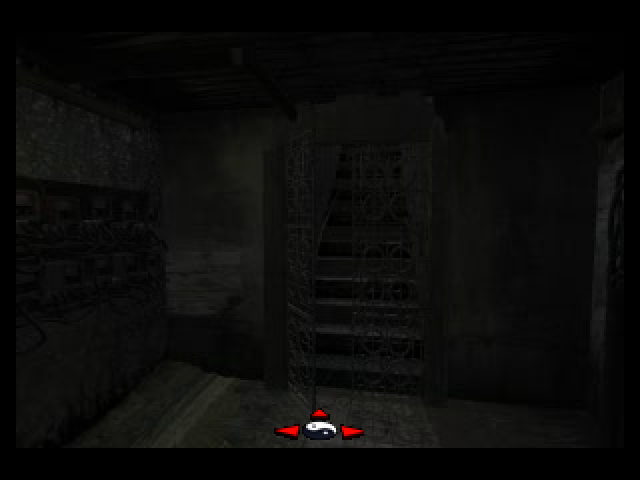
Kowloon’s Gate unfolds through two markedly different kinds of location. Its inhabited areas, called JPEG Dungeons, are navigated through pre-rendered viewpoints: the player moves through alleys and interiors, speaks with residents, gathers items, and pieces together leads from unusual encounters. These sections make conversation and observation essential to progress, since apparently inconsequential remarks can point toward a puzzle solution, a destination, or the proper use of an item.
The Real Time Dungeons shift the game into navigable 3D labyrinths. Here the practitioner explores hostile passages, consults a map, and encounters guilü, monsters born from malice. Some routes are blocked until nearby enemies have been dealt with, while the map can be used to track position and leave markers for places worth revisiting. Alternating the social, clue-driven sections with these dangerous dungeons gives the PlayStation adventure both an investigative rhythm and a more immediate survival element.
Combat is built around the Feng Shui Ring rather than conventional weapons. In battle, players scan a guilü to learn its elemental qualities, then choose how to respond. The Seven Star Sword can hold elemental malice: the player may fire an appropriate stored element at an enemy or absorb energy when circumstances allow. Managing Qi Points is important, because damage and dangerous malice reduce the character’s reserves. Carrying too much incompatible malice also creates risk, so successful encounters depend on reading the situation and using the system deliberately.
The game’s use of Yin and Yang, Feng Shui, and the Four Divine Beasts is woven into both its premise and its mechanics. Kowloon is not presented simply as a historical location; it becomes an otherworldly, densely packed maze where supernatural disorder has altered familiar ideas of streets, rooms, and inhabitants. The contrast between the reclaimed city of the story and the real Kowloon Walled City’s history gives the adventure a distinctive late-1990s PlayStation setting, while its first-person structure keeps attention on discovery, directions, dialogue, and atmosphere.
Kowloon’s Gate remained a Japanese PlayStation release, making its original language and regional context important to the experience. It stands apart from action-focused games of the era through its hybrid of point-and-click-style investigation, first-person dungeon travel, item-based puzzles, and elemental battles. For players exploring the PlayStation catalogue, it is a self-contained supernatural adventure whose progression comes from investigating an uncanny Kowloon, interpreting clues from its residents, and completing a Feng Shui mission across the boundary between Yin and Yang.
Gallery
Details
- Developer
- Zeque
- Publisher
- Sony Computer Entertainment
- Genre
- Other Adventure
- Players
- 1
- Release Date
- February 28, 1997
- System
- PS1