About
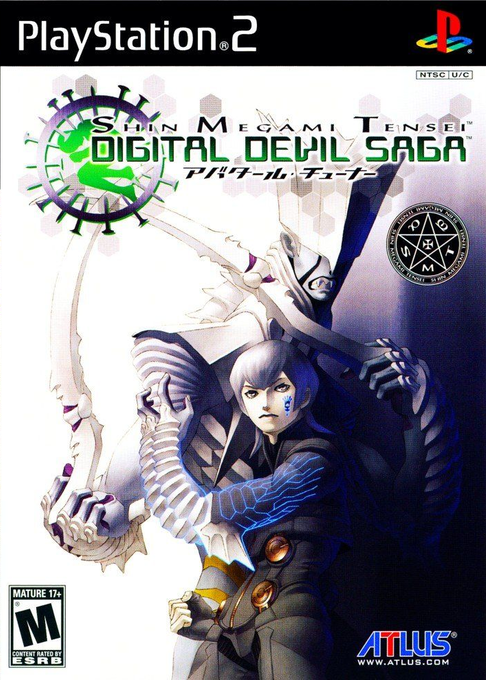
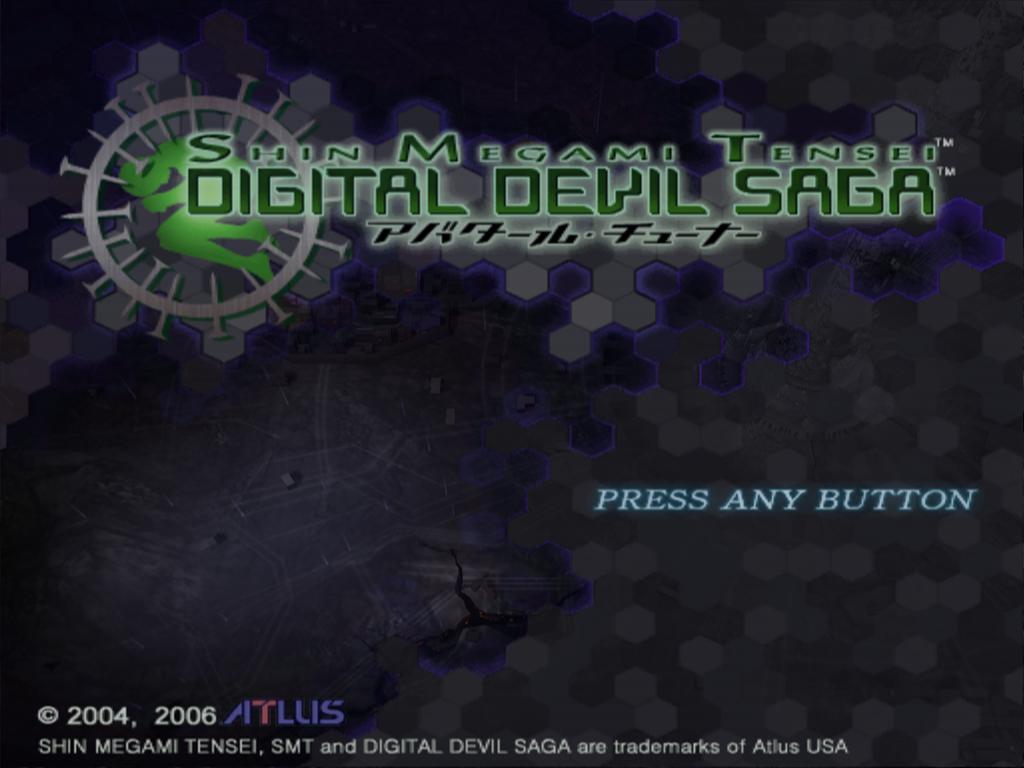
Shin Megami Tensei: Digital Devil Saga for PlayStation 2 is Atlus’s 2004 Japanese role-playing game, released in North America in 2005 as a spin-off of the Megami Tensei series. Known in Japan as Digital Devil Saga: Avatar Tuner, it is the first half of a two-game story rather than a remake or a standalone sequel. The game follows Serph, the taciturn leader of the Embryon, whose tribe fights for territory in the rain-drenched digital world called the Junkyard. After a strange light infects the combatants with demonic Atma powers, the Embryon must contend with both their new transformations and an overpowering hunger for their enemies.
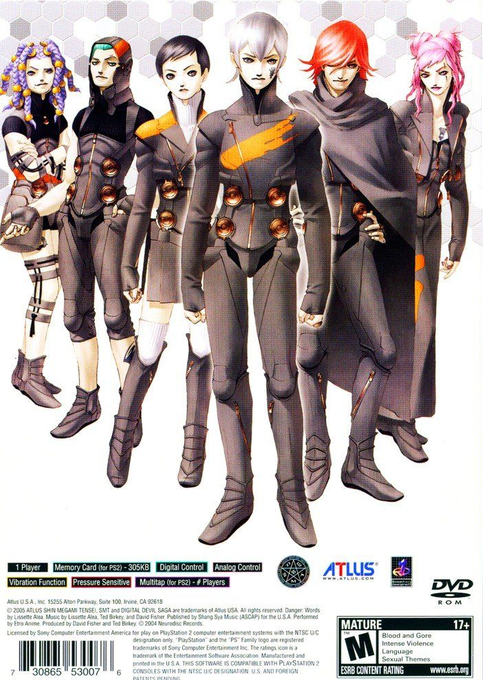
The Junkyard’s six rival tribes have been told that the victors may ascend the central Karma Temple and reach Nirvana. Serph’s allies include the fiery Heat, analytical Gale, compassionate Argilla, and easygoing Cielo. Their course changes when they shelter Sera, an amnesiac girl whose singing can quiet the cravings brought on by the virus. The party’s journey across tribal territories gradually replaces the characters’ formerly programmed, emotionless existence with fear, loyalty, anger, and difficult moral choices. Its story is designed to continue directly in Shin Megami Tensei: Digital Devil Saga 2, so this first game deliberately builds toward a cliffhanger.
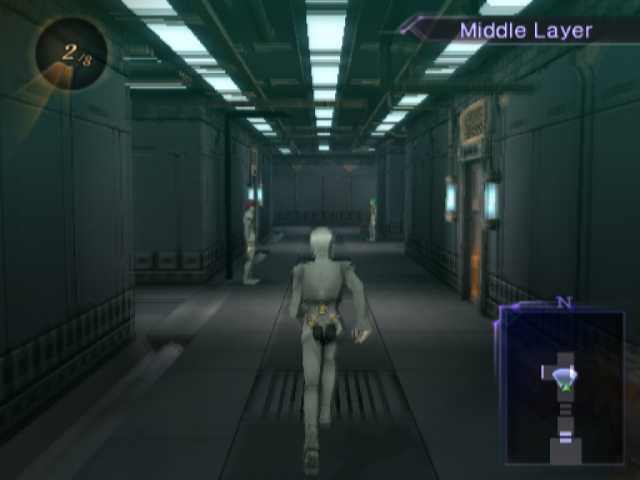
Exploration is presented from a third-person viewpoint through industrial facilities, strongholds, and other areas of the Junkyard. Random battles use a three-member party and the Press Turn system familiar from Shin Megami Tensei III: Nocturne. Striking an opponent’s elemental weakness or landing a critical hit grants an additional action icon, while attacking a resistance or having an attack negated reduces the team’s turns. That risk-and-reward structure gives target selection real weight: players can exploit an enemy’s affinities for momentum, but careless elemental attacks can surrender a valuable turn to the opposition.
Each Embryon member can fight in a human form with conventional weapons or change into a distinct demon form, which is central to combat. Victorious characters earn experience, money, and Atma; consuming defeated foes increases the Atma gained, but the demons’ hunger is also an important concern. Atma supports the Mantra Grid, the game’s character-development system. Players purchase Mantras with Macca, master them through battle, and then choose a limited set of learned skills to equip. Physical, magic, defensive Shield, and passive Auto abilities can be distributed across the cast, allowing party roles to be adjusted instead of being locked to a single character’s starting specialty.
The system also rewards planning between party members. Compatible equipped abilities can produce stronger combo attacks, while the eight-skill limit makes the selection of elemental magic, healing, buffs, status protection, and physical techniques matter before major encounters. Serph receives freely assignable stat points when leveling up, whereas the other regular companions have clearer natural leanings. This combination of a shared skill grid, demon forms, and Press Turn combat distinguishes Digital Devil Saga from games centered on recruiting and fusing a large demon roster.
Digital Devil Saga was directed by Katsura Hashino and features character and demon designs by longtime series artist Kazuma Kaneko, with music led by Shoji Meguro. Its PS2 presentation uses extensive voiced scenes and animated character work to support a story-heavy RPG structure. The original Japanese release arrived in July 2004; Atlus published the North American version the following year, while Ghostlight handled later European and Australasian releases. The North American localization also uses the Shin Megami Tensei name as a series identifier, while the Japanese title foregrounds Avatar Tuner.
For PS2 RPG players, Shin Megami Tensei: Digital Devil Saga combines a bleak science-fiction setting with turn-based battles built around exploiting strengths and weaknesses. Its tribal conflict, transformation premise, and customizable Mantras give the first game its own identity within Megami Tensei, while its unresolved revelations set the stage for the sequel. The result is a focused party-based RPG in which the Embryon’s fight for survival and their growing humanity develop side by side.
Gallery
Details
- Developer
- Atlus
- Publisher
- Atlus
- Genre
- JRPG
- Players
- 1
- Release Date
- April 5, 2005
- System
- PS2