About
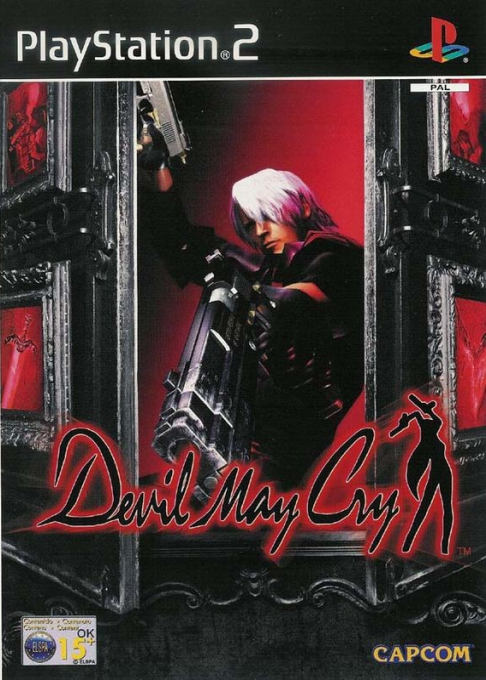
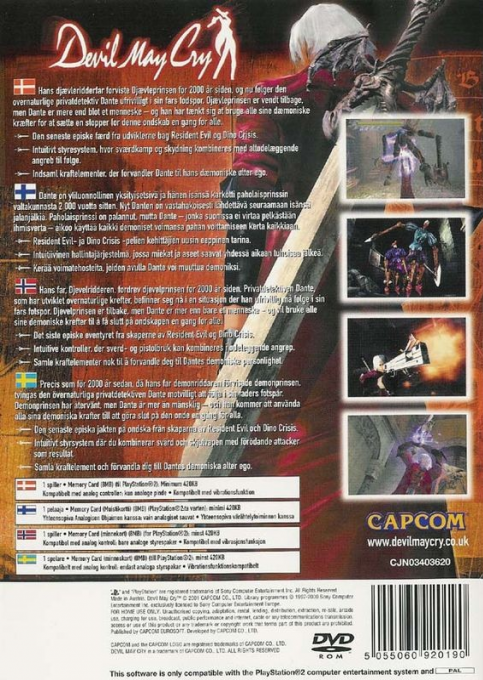
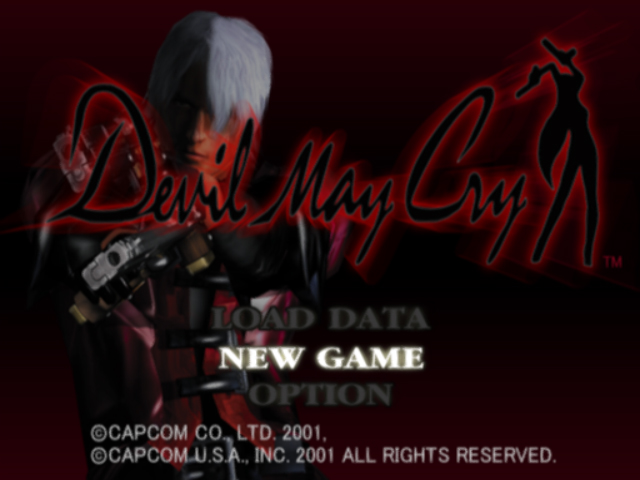
Devil May Cry is the original 2001 PlayStation 2 action game that introduced Capcom’s demon hunter Dante. The production record for this release identifies Capcom as both developer and publisher, with the European PS2 version arriving on 7 December 2001. Rather than a later sequel or compilation, this is the compact, gothic first adventure: Dante’s red coat, oversized sword and pistols are already in place, but the systems and story belong specifically to the game that began the series.
Directed by Hideki Kamiya and created within Capcom Production Studio 4, the project famously began life as an early attempt at Resident Evil 4 before becoming its own game. That history helps explain its mixture of mansion exploration, keys, locked doors, elaborate traps and sudden combat arenas. The final result trades survival horror’s vulnerable protagonists for a hero who is deliberately agile, theatrical and immensely capable, while retaining a tense, isolated atmosphere around Mallet Island and its fortress.
Dante’s basic fighting style revolves around switching between close-range sword attacks and ranged fire from his twin handguns, Ebony and Ivory. Lock-on movement, jumps, evasive rolls and aerial attacks give encounters a deliberately physical rhythm. Enemies can be launched, chased into the air and kept aloft with bullets, turning a fight into a test of timing rather than a simple exchange of damage. Bosses such as Phantom, Griffon, Nightmare and Nelo Angelo demand recognition of attack patterns as well as confident use of Dante’s tools.
The game rewards variety through its style gauge. Repeating a safe move stalls the meter, while varied attacks, close-range taunts and avoiding damage improve the performance. Missions receive ranks based on factors including completion time, red orbs collected, style, item use and damage taken, so finishing the story is only one layer of progression. Red orbs, found by defeating enemies and breaking objects, are spent at Divinity Statues on consumables, abilities and weapon upgrades, creating a steady incentive to revisit Dante’s growing move set.
Its signature power mechanic is Devil Trigger, a temporary transformation that makes Dante tougher, restores health gradually and unlocks stronger attacks. The gauge is refilled during normal combat, so choosing when to activate it is part of surviving difficult rooms and boss phases. The weapons have distinct identities, most notably the lightning sword Alastor and the fiery gauntlets Ifrit, and their Devil Trigger forms further alter how Dante attacks. The original game’s relatively limited equipment compared with later entries gives these choices extra weight.
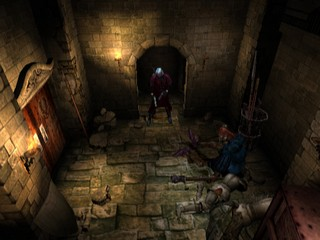
Between battles, Devil May Cry sends Dante through connected halls, courtyards, libraries and catacombs, solving item-based puzzles and uncovering optional Secret Missions. These short challenges sit off the critical path and can award permanent health or Devil Trigger improvements. The design is more exploratory than the mission-select structure of some later character-action games, though the adventure is still divided into numbered missions. Its fixed or guided camera can be demanding, particularly during platforming, but it was part of the game’s cinematic framing and castle-horror character.
The story starts when Trish arrives at Dante’s demon-hunting office with news that the demon emperor Mundus is preparing to return to the human world. On Mallet Island, Dante confronts Mundus’s servants while the game gradually connects the threat to his father Sparda, the legendary demon who rebelled to protect humanity. The plot also introduces Trish’s uncertain loyalties and the armored Nelo Angelo, making Dante’s family history central to the conflict. It balances melodramatic gothic imagery with Dante’s wisecracks and defiant confidence rather than treating its premise as straight horror.
Devil May Cry established the foundation for a long-running series, but it should not be confused with Devil May Cry 2, Devil May Cry 3: Dante’s Awakening, Devil May Cry 4 or Devil May Cry 5; those are separate games with their own settings, mechanics and points in the timeline. Devil May Cry HD Collection is a later remastered package that includes this original title alongside Devil May Cry 2 and Devil May Cry 3: Special Edition, not a new first entry. Likewise, DmC: Devil May Cry is Ninja Theory and Capcom’s 2013 reboot, a separate continuity rather than a remake of this PS2 game.
What endures is the first game’s focused blend of high-speed combat and spooky adventure-game structure. It asks players to learn a concise set of actions deeply, to make an elegant fight out of a dangerous encounter, and to accept a degree of challenge from its cameras, puzzles and unforgiving enemies. Its sequels would expand the weapon systems, characters and combat options, but this original PlayStation 2 release remains the starting point: a haunted island, a demon hunter pursuing Mundus, and the early blueprint for stylish 3D action.
Gallery
Details
- Developer
- Capcom
- Publisher
- Capcom
- Genre
- Beat 'em Up, Platformer, Other Shooter
- Players
- 1
- Release Date
- December 7, 2001
- System
- PS2