About
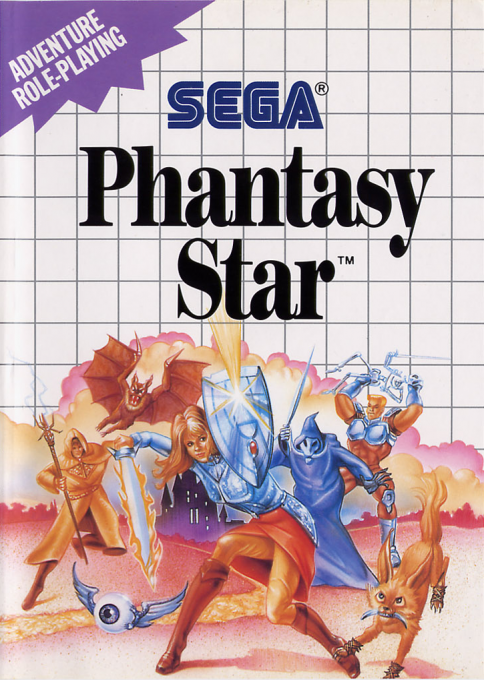
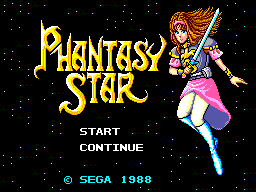
Phantasy Star for the Sega Master System is Sega’s science-fantasy role-playing game, first released in Japan in December 1987 and brought to Western Master System players in 1988. Developed and published by Sega, it begins in the Algol star system after the tyrant King Lassic’s forces kill the rebel Nero. His sister Alis takes up the quest, following his final lead to find the warrior Odin and uncover the means to challenge Lassic. The adventure established the first entry in the long-running Phantasy Star series while giving the Master System a large, story-driven console RPG built around a female lead.
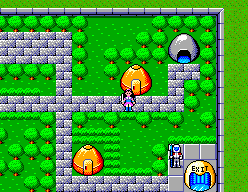
Alis travels through Algol’s three very different worlds: green Palma, desert-covered Motavia, and the frozen planet Dezoris. Towns provide places to speak with residents, buy equipment, and prepare for the hazards beyond their walls. Progress depends on following clues, locating key items, and reaching new areas that were previously inaccessible. The game’s journey crosses settlements, wilderness, caves, towers, and other hostile locations, gradually turning a personal act of vengeance into a mission to restore order to the whole star system.
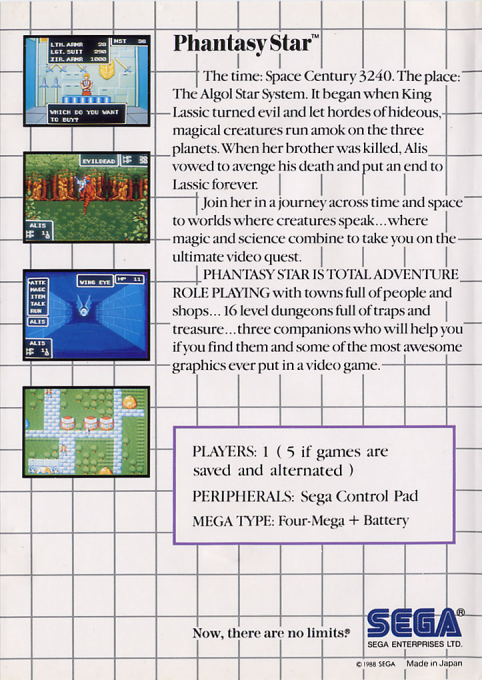
Exploration shifts between overhead travel across the planets and first-person navigation inside dungeons. In those maze-like interiors, the player advances, turns, and retraces passages from the party’s viewpoint, making orientation and careful resource management central concerns. Enemy encounters occur at random outside safe areas and move to a first-person battle screen. Menu commands allow party members to attack, use items, cast techniques, or in some encounters attempt communication with an opponent. Victories award experience and money, letting the group gain levels, improve its capabilities, and purchase stronger weapons, armor, and supplies.
Although Alis is always the central character, her companions give the party different roles. Odin is the hardier fighter, while Noah brings powerful magic; the catlike Myau contributes abilities of its own and becomes important to the quest. Their equipment, spells, and survival options encourage players to consider who should lead an attack or conserve resources for a difficult dungeon. Rather than asking players to create a custom party, Phantasy Star builds its adventure around this fixed cast and the discoveries they make together. Its dialogue, item puzzles, and planet-spanning route lend structure to an RPG that still leaves the player to piece together many of Algol’s secrets.
The original Master System cartridge was notable for its large capacity and battery-backed saving, an important convenience for a lengthy adventure at the time. Sega also used the hardware to present animated scenery, striking monster artwork, and smoothly moving first-person dungeon corridors. The game’s world deliberately combines spaceships, robots, and distant planets with swords, magic, and mythic creatures, creating the science-fantasy identity that would remain closely associated with the series. In Japan, compatible hardware could use the Master System FM Sound Unit for an expanded version of the soundtrack; that add-on was not part of the original Western hardware release.
Phantasy Star later appeared in compilations and digital reissues, and Sega produced the Japan-only PlayStation 2 remake Phantasy Star Generation: 1 in 2003. The 2018 Nintendo Switch release, SEGA AGES Phantasy Star, was handled by M2 and added modern reference features and quality-of-life options while preserving the original game. Whatever version is used to revisit it, the Master System release remains the starting point for Alis’s journey and for Sega’s classic Phantasy Star saga.
Gallery
Details
- Developer
- SEGA
- Publisher
- SEGA
- Genre
- JRPG
- Players
- 1
- Release Date
- January 1, 1988
- System
- Master System