About
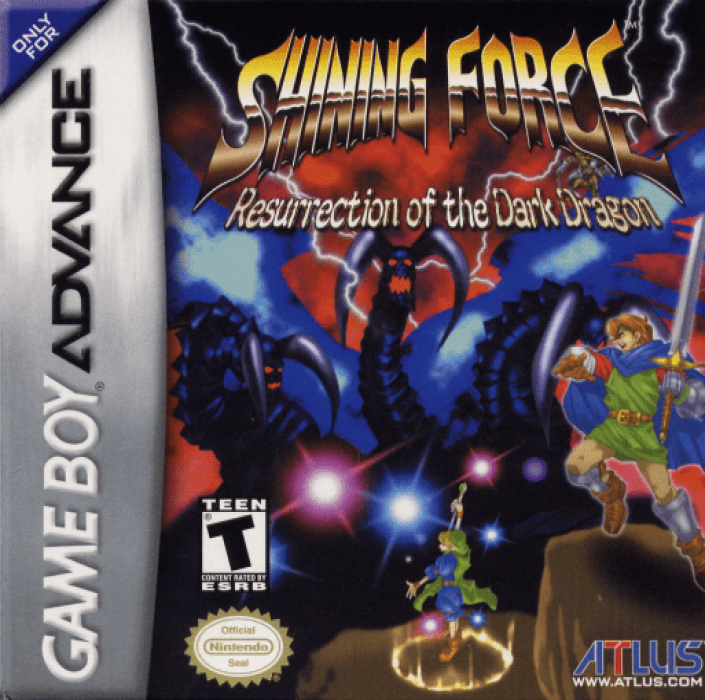
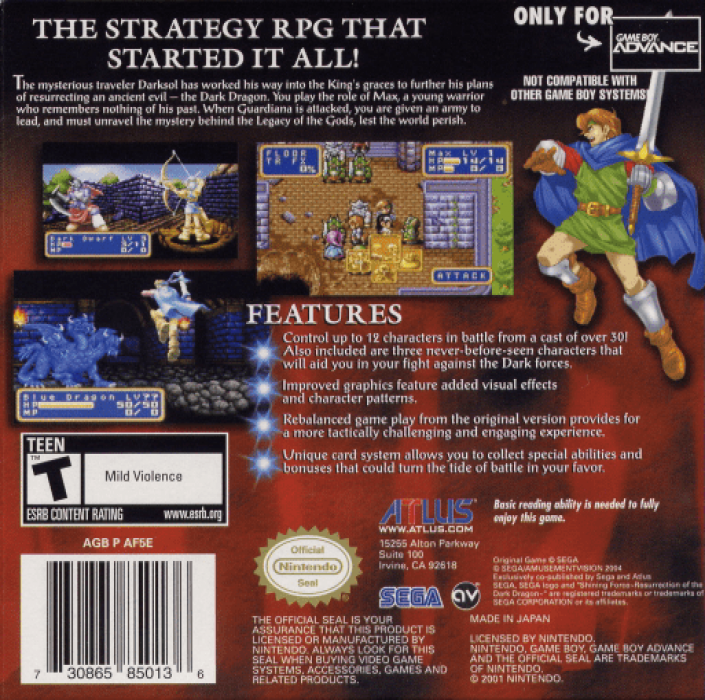
Shining Force: Resurrection of the Dark Dragon is a tactical role-playing game for Game Boy Advance and a remake of Sega’s 1992 Genesis classic Shining Force. Developed by Amusement Vision and released in North America by THQ in 2004, it retells the original adventure with rebuilt presentation, expanded story material, and several systems designed for a handheld audience. The campaign follows Max, a young warrior from the kingdom of Guardiana, as an invasion by the militaristic nation of Runefaust threatens to revive the ancient Dark Dragon.
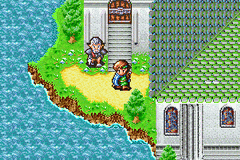
The game moves between exploration and turn-based battles. In towns and other non-combat areas, Max speaks with residents, gathers clues, searches for treasure, buys and equips items, manages the party, and prepares for the next encounter. Battles unfold on square-grid maps where each member of the Shining Force has a movement range, one action per turn, and a role shaped by weapons, magic, terrain, and position. Objectives usually involve defeating an enemy leader, clearing a force from the field, or reaching a destination, while the loss condition centers on Max’s defeat.
Combat rewards direct participation. Attacking opponents, casting spells, and healing allies earn experience, letting individual characters gain levels and improve their statistics. Recruits come from a broad mix of archetypes, including knights, archers, spellcasters, healers, flying units, and unusual fantasy allies, and the player chooses which members join the active battle party. Characters can later be promoted into stronger classes, opening new equipment options and changing their development. Defeat is forgiving by tactical RPG standards: the army can retreat and try again while retaining experience earned in the failed attempt, though Max’s fall costs money.
Resurrection of the Dark Dragon preserves the original conflict between Guardiana, Runefaust, the enigmatic Kane, and the manipulator Darksol, but expands the narrative through new scenes and characters. Narsha, Zuika, and Mawlock are exclusive playable additions to this version, and their material gives the remake more room to explore events alongside Max’s journey. Mawlock is especially distinctive: he uses collectible cards associated with allies and enemies to alter his abilities and produce special effects, adding a customization element absent from the Genesis release.
The Game Boy Advance remake also adjusts the battle flow. Turn order is based on speed and can be reviewed from a list, making it easier to plan ahead than in the original’s more variable initiative system. It introduces additional battles and a progression system for repeat play, with completed runs increasing the challenge on subsequent playthroughs. These changes make it both a new entry point for players discovering Shining Force on GBA and a substantially revised version for veterans familiar with the first game.
Visually, the remake adapts the world of Rune to the Game Boy Advance with new character art, battle animations, and interface work while keeping the series’ accessible blend of menu-driven RPG exploration and tactical encounters. Its pacing favors compact story chapters and clear battle objectives, but party construction and promotion timing give players room to experiment. The result is a portable fantasy strategy RPG built around the appeal of assembling a varied force, learning how its members fit together, and slowly overcoming a campaign that grows from local danger into a battle against a legendary threat.
Amusement Vision’s GBA credits include director Keigo Kobayashi, story writer Masaki Wachi, character designer Yoshitaka Tamaki, and music and sound composers Naofumi Tsuruyama, Takuya Hanaoka, and Ippei Amano. As a remake rather than a straight port, Shining Force: Resurrection of the Dark Dragon remains tied to the foundations of the original while presenting its own cast additions, story revisions, and replay-focused features. For players seeking an early-2000s handheld tactical RPG with classic fantasy adventure structure, it offers a complete campaign of exploration, recruiting, leveling, promotion, and grid-based strategy.
Gallery
Details
- Developer
- Amusement Vision
- Publisher
- THQ
- Genre
- Tactical RPG
- Players
- 1
- Release Date
- June 8, 2004
- System
- GBA