About
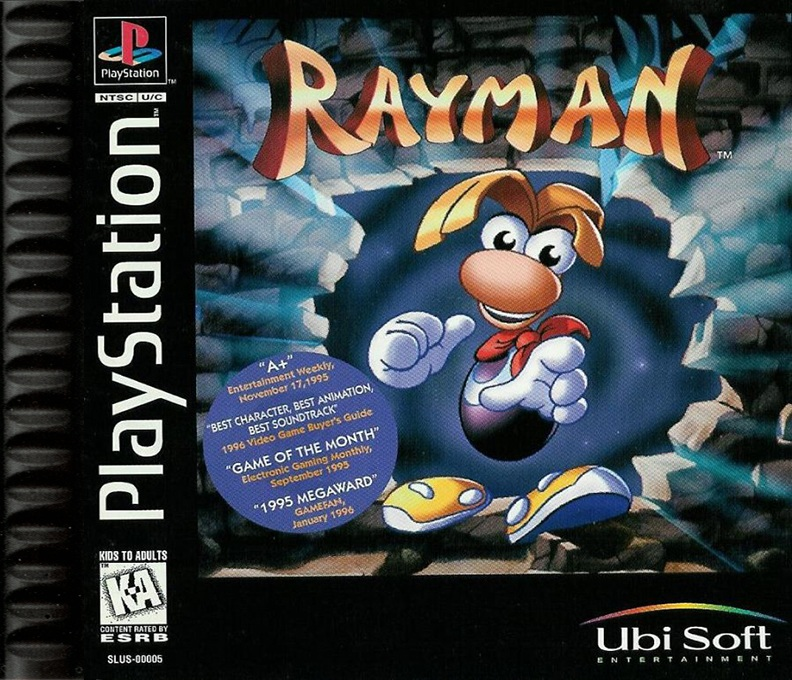
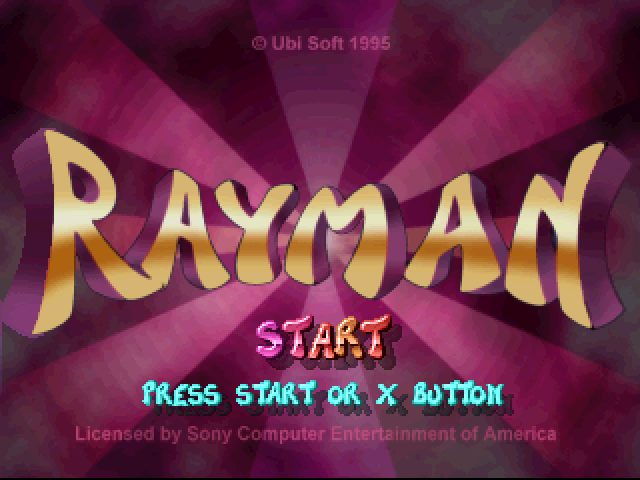
Rayman on PlayStation is a 2D platform adventure built around an immediately memorable hero: a limbless guardian with floating hands, shoes, and a shock of blond hair that doubles as a helicopter. The world begins in balance under the Great Protoon, but Mister Dark steals the magical force and defeats Betilla the Fairy. With the Electoons scattered and trapped in cages across the land, Rayman sets out to restore harmony. It is a simple fairy-tale premise, delivered with enough strange characters, playful animation, and color to give every new area its own identity.
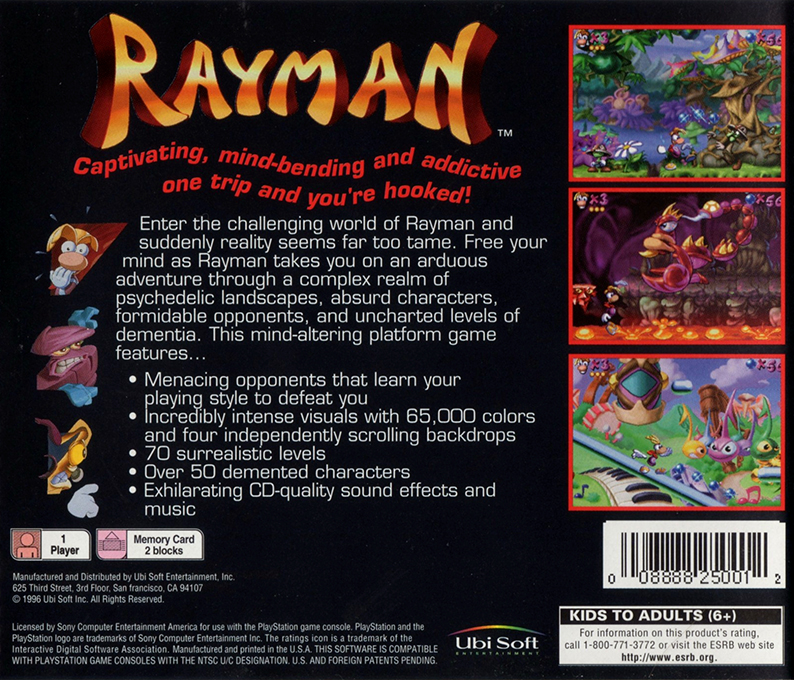
The journey is spread across six wildly different worlds, beginning in the tangled Dream Forest and moving through the musical hazards of Band Land, the rocky Blue Mountains, the illusion-filled Picture City, and the underground Caves of Skops. The final destination is Candy Chateau, Mister Dark’s confectionery hideout. Each setting has its own obstacles, enemies, visual jokes, and boss encounter, so the game keeps changing its flavor even while its side-scrolling fundamentals remain clear. A giant mosquito, a living rock, and a rolling-pin-wielding Space Mama are only a sample of the opponents waiting at the end of the road.
Rayman starts with the essentials: walking, jumping, crawling, and grabbing onto vines. Betilla gradually expands his toolkit as the quest unfolds. His telescopic fist lets him punch enemies at a distance, later abilities allow him to grab, run, and hang from ledges, and his signature helicopter hair slows a fall when used after a jump. These powers are more than flashy upgrades. They reshape how levels are read, opening routes that were previously out of reach and making a return visit worthwhile for players determined to uncover every cage.
Exploration matters as much as reaching an exit. Every level tracks six Electoon cages, and rescuing them is the key to completing Rayman’s mission rather than a disposable side activity. Collectible Tings offer extra lives in groups of one hundred and can also be spent to enter bonus stages through the Magician. The world map reveals newly available routes after a level is cleared, often letting the player pick between directions. That structure gives the adventure a sense of discovery while inviting a closer look at stages that first seemed finished.
The PlayStation controls make Rayman’s movement direct and expressive. Cross handles jumps, Circle starts a run, and Square uses the telescopic fist or interacts with flying rings. A second press of Cross in the air activates the helicopter maneuver, giving tricky drops a little more control. Crawling and automatic ledge-hanging round out a move set that rewards attention to spacing and timing. The challenge can be demanding, especially when hazards, moving platforms, and enemies overlap, but the controls give Rayman the mobility needed to work through difficult sequences.
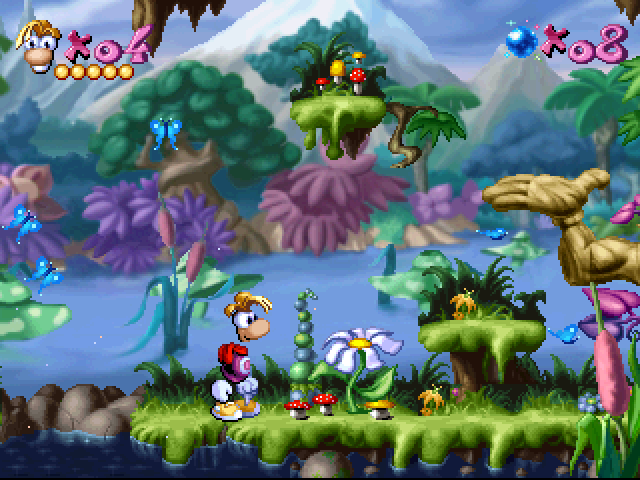
Much of the game’s charm comes from how it turns familiar platforming ideas into a cartoon world that feels unlike anything else on the original PlayStation. Swamps, musical notes, clouds, instruments, avalanches, theater scenery, cave walls, and desserts are not merely backdrops; they shape the way each section plays. The result is an adventure that can shift from a jungle crossing to a gauntlet of slippery music bars without losing its mischievous character. Its visual imagination makes even a tough stretch feel like another scene in an animated fantasy.
Rayman’s progress is also tied to memorable friends and temporary powers. Tarayzan can provide a Magic Seed that grows into a plant, the Musician offers special helicopter control in the Blue Mountains, and Joe the Extraterrestrial supplies a firefly to light the dark reaches of the Caves of Skops. These moments add variety without breaking the game’s central rhythm of running, jumping, searching, and fighting. The Photographer’s snapshots serve as restart points, while the game’s power pickups and extra lives encourage persistence through its more punishing challenges.
Released for PlayStation in 1995, Rayman introduced a character who would become central to Ubisoft’s history. This original PlayStation adventure remains a celebration of hand-drawn style, precise movement, and secret-filled platform design. Whether the aim is to see the route through Candy Chateau, master the haircopter over a dangerous fall, or free every last Electoon, Rayman offers a colorful quest with a demanding streak beneath its cheerful surface.
Gallery
Details
- Developer
- Ubisoft
- Publisher
- Ubisoft
- Genre
- Platformer
- Players
- 1
- Release Date
- September 9, 1995
- System
- PS1