About
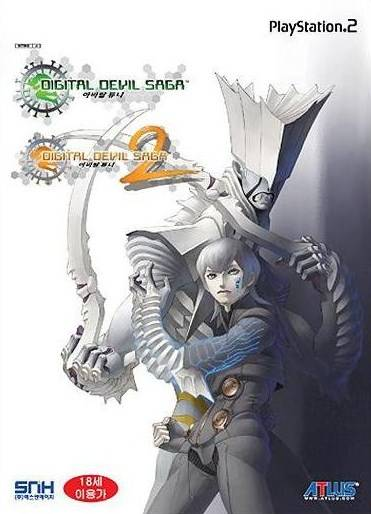
Digital Devil Saga: Avatar Tuner is Atlus’s PlayStation 2 role-playing game, first released in Japan in July 2004 and localized as Shin Megami Tensei: Digital Devil Saga in North America in 2005. A spin-off within the wider Megami Tensei family, it follows the Embryon, a squad of warriors in the rain-soaked digital battlefield known as the Junkyard. A direct sequel completes its story, but this is the opening chapter: an RPG built around a self-contained party, a hostile world, and a fight for a promised escape.
The story begins when the Embryon clash with a rival tribe and are infected by a strange demon virus. Serph, the group’s taciturn leader, and his companions Heat, Argilla, Gale, and Cielo gain the power to take monstrous Atma forms, along with a hunger they must keep under control. Their encounter with Sera, a mysterious woman whose singing can soothe that hunger, changes the group’s purpose. Ordered to defeat the other tribes and climb toward Nirvana, the party’s campaign gradually exposes the rules and secrets behind the Junkyard.
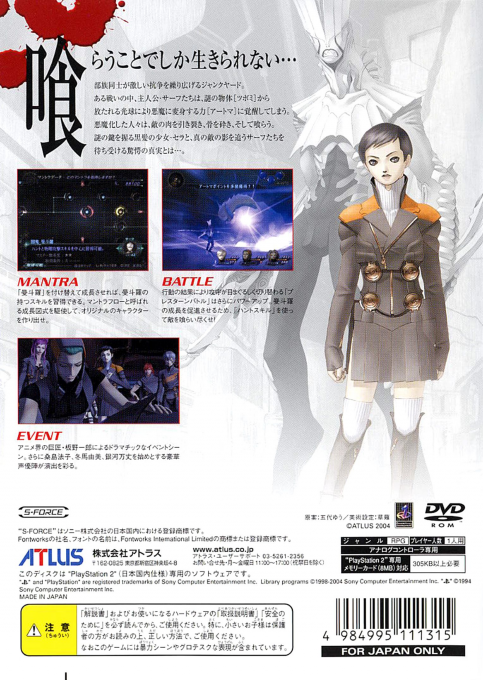
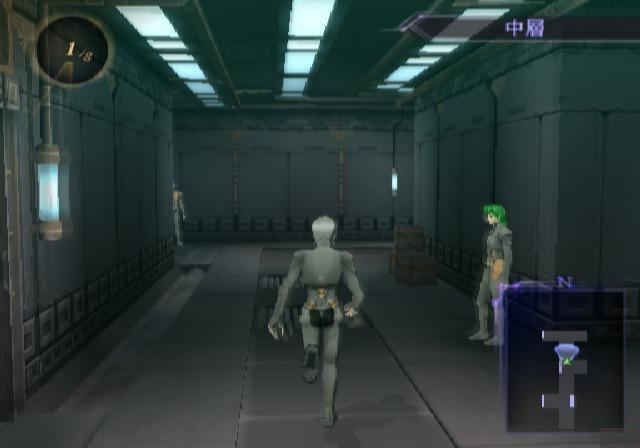
Exploration alternates between navigating 3D locations, speaking with characters, preparing equipment, and entering random battles. Combat uses the Press Turn system: exploiting an enemy’s elemental weakness or landing a critical hit earns the side another action, while striking a resistance or nullification wastes turns. With three active allies in battle, target selection and turn order matter as much as raw damage. Characters may fight in human form with weapons, but their demon transformations are central to their skills and survival.
Instead of recruiting and fusing demons, Digital Devil Saga: Avatar Tuner makes its fixed cast highly customizable. Victories award resources including Atma, and Atma is used to master Mantras on a grid. The resulting abilities cover physical attacks, elemental magic, defensive skills, and automatic effects; each party member can equip a limited selection at once. Devouring fallen enemies yields extra Atma, tying the game’s advancement system directly to the dangerous appetite that drives the plot. Choosing which Mantras to develop lets the same characters take on very different tactical jobs.
The Junkyard’s six competing tribes give the adventure a military structure, but the game’s emphasis is on what happens when formerly emotionless combatants begin to feel fear, loyalty, jealousy, and compassion. Serph’s team moves from territory to territory, encounters rival leaders, and pursues Sera through the central Karma Temple. Its setting, transformation designs, and story all reinforce the conflict between human restraint and predatory instinct rather than treating combat as separate from the narrative.
Atlus developed and published the original Japanese release under the name Digital Devil Saga: Avatar Tuner; the English-language release added the Shin Megami Tensei branding. The game received extensive voice acting, and its score was led by Shoji Meguro, with additional music by Kenichi Tsuchiya. Its Japanese opening theme differs from the North American version, a reminder that the localization was more than a simple title change. In Europe and Australasia, Ghostlight later published the PS2 release.
Digital Devil Saga: Avatar Tuner ends with major questions deliberately left for Digital Devil Saga 2, which arrived in Japan the following January. That structure makes the first game a complete journey through the Junkyard while also establishing the duology’s larger mystery. For PS2 RPG players interested in turn-based elemental strategy, character-building systems, and a darker science-fantasy setting, it remains a distinctive Atlus take on the Megami Tensei formula.
Gallery
Details
- Developer
- Atlus
- Publisher
- Atlus
- Players
- 1
- Release Date
- September 30, 2005
- System
- PS2