About
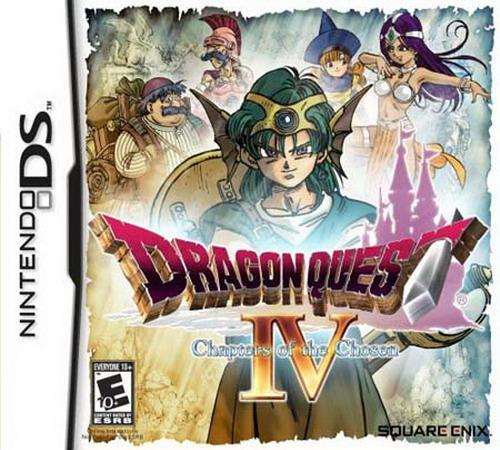
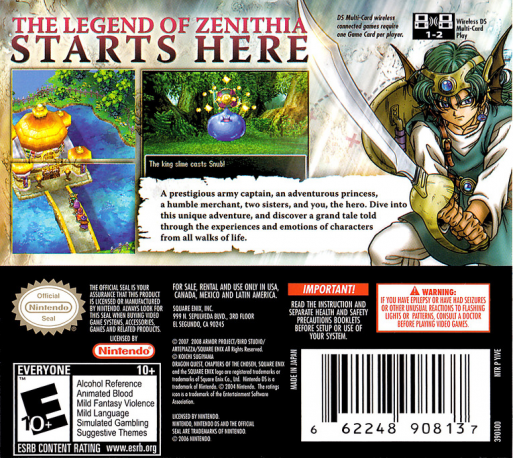
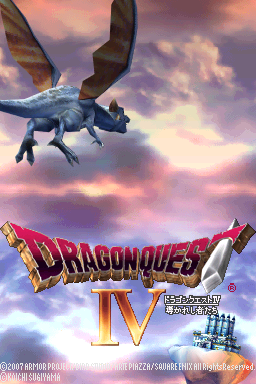
Dragon Quest IV: Chapters of the Chosen is the Nintendo DS remake of the fourth main Dragon Quest, the opening chapter of the Zenithian trilogy. Square Enix published it for Nintendo DS in Japan on November 22, 2007 and in North America on September 16, 2008. ArtePiazza developed the DS version, adapting the 2001 PlayStation remake rather than the original 1990 Famicom release. Series creator Yuji Horii supplied the scenario and game design, Akira Toriyama created the character designs, and Koichi Sugiyama composed the music.
The adventure is deliberately structured as five connected chapters. The first four introduce the future companions separately: knight Ragnar McRyan investigates missing children; the adventurous Princess Alena leaves her kingdom with Kiryl and Borya; merchant Torneko Taloon pursues his dream of opening a shop; and sisters Meena and Maya seek revenge for their father. Each chapter has its own protagonist, objective, starting party, and view of the world. In the fifth, the player takes the role of the Hero, reunites the cast, and follows the wider conflict surrounding the monster lord Psaro and the secret of evolution.
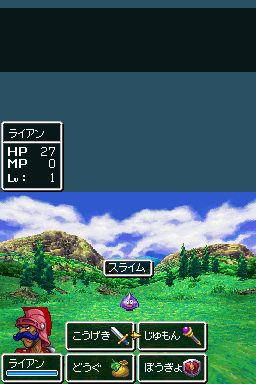
Combat is classic menu-driven, turn-based Dragon Quest combat. A four-character active party fights while additional allies can travel in the wagon and be swapped in outside battle, making the eventual ensemble more flexible than the early solo chapters. Characters gain experience, learn spells and abilities, equip weapons and armor, and use items against a wide range of monsters. The Tactics system can assign behavior such as attacking aggressively, conserving magic, or prioritizing healing; the remake also offers Follow Orders, allowing direct commands for companions. Exploration includes towns, dungeons, keys, ships, teleport doors, a hot-air balloon, casinos, and collectible Mini Medals.
The chapter format gives the game a distinctive pace for a role-playing game of its era. Ragnar's investigation, Alena's tournament-bound journey, Torneko's money-focused chapter, and the sisters' revenge story establish motives and personalities before the Hero's quest draws them together. That design lets the later party feel assembled from lived-in stories rather than recruited only as anonymous adventurers. The fifth chapter also broadens the map, opens travel options, and turns the earlier episodes into threads of one campaign.
Compared with the NES original, first released in North America as Dragon Warrior IV, the DS edition uses the Dragon Quest title and terminology and presents the PlayStation remake's updated presentation and added material. Navigation and menus were rebuilt for the handheld, with DS screens used for map and interface information, while the remake replaces the original's strictly 8-bit look with more detailed graphics and 3D environments. The remake retains the original's five-chapter core but adds a postgame sixth chapter, extra areas, and an expanded conclusion involving Psaro; it can ultimately make him available as a party member.
The DS version preserves important systems introduced by the original, including the wagon, the artificial-intelligence Tactics commands, day-and-night changes, and the series' first casino and Mini Medals. It also keeps conveniences associated with the remake, such as easier interaction and saving at Houses of Healing. The Pioneer Town feature was adjusted from the PlayStation version to suit DS hardware, and the bonus dungeon's floors use a different, randomized arrangement. These revisions make the handheld release a content-rich version of the remake rather than a simple NES port.
Localization is a notable point of difference among versions. The 1992 NES release used Dragon Warrior branding and several altered English character names, while the DS release restored the series' Dragon Quest branding and its modern English naming, including Torneko rather than Taloon. The Japanese DS edition included a Party Talk command that supplied optional companion comments as the player traveled. That feature was omitted from the English-language DS release, so its party characterization is less immediately visible there; Square Enix's later mobile version added Party Talk in English.
Dragon Quest IV remains an approachable entry in the series because its early chapters teach combat and exploration through smaller, self-contained parties before the full adventure begins. Its remake additions offer a longer epilogue and more reasons to revisit the world, but the central appeal is still the way its knights, princess, merchant, fortune teller, dancer, scholars, and Hero become one party. The DS release pairs that unusual narrative structure with portable play, a full English localization, and the mechanics that would become familiar fixtures of later Dragon Quest games.
Gallery
Details
- Developer
- Arte Piazza
- Publisher
- Square Enix
- Genre
- JRPG
- Players
- 1-2
- Release Date
- September 16, 2008
- System
- NDS