About
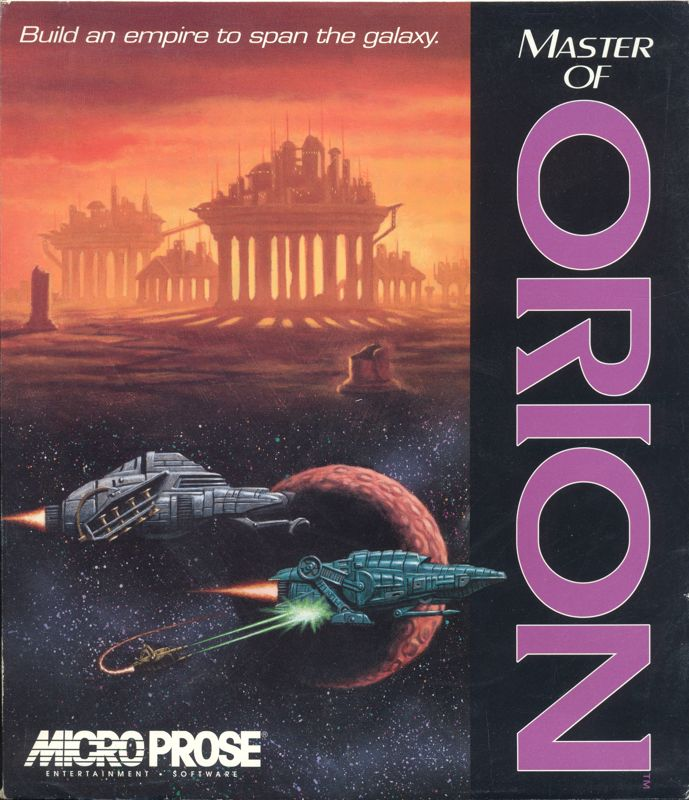
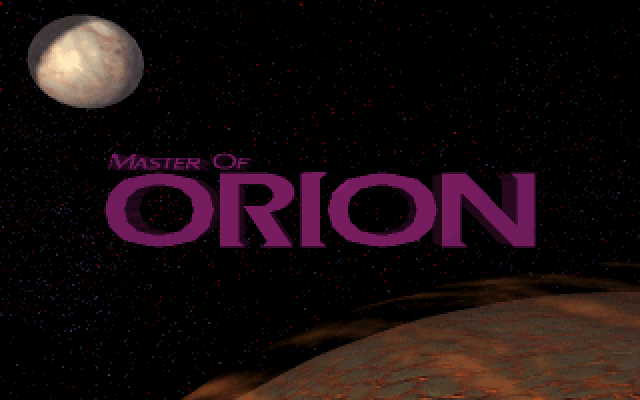
Master of Orion for DOS is a turn-based science-fiction strategy game released in 1993. Developed by SimTex and published by MicroProse, it casts the player as the leader of an interstellar civilization competing for control of a newly generated galaxy. Often abbreviated as MoO, this first entry in the Master of Orion series combines exploration, colony management, research, diplomacy and fleet warfare in a single-player campaign whose map, opponents and technological opportunities vary from game to game.
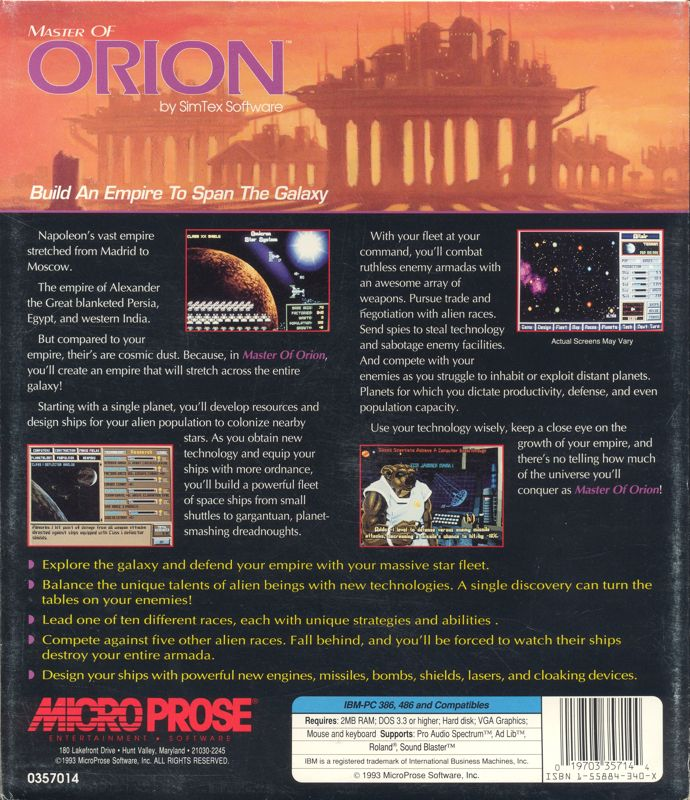
A new campaign begins with one homeworld, a colony ship and scouting vessels. Players choose one of ten alien races, including Humans, Alkari, Bulrathi, Darloks, Klackons, Meklar, Mrrshan, Psilon, Sakkra and Silicoids. Each race has its own advantages and limitations, such as diplomatic skill, industrial ability, research aptitude, population growth or tolerance for hostile environments. The player also selects galaxy size, difficulty and the number of computer-controlled rivals before sending scouts outward to identify systems worth settling.
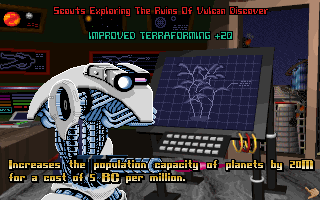
Colonies are the foundation of an empire. Every world has a climate, size and mineral rating that affect its capacity, growth and production potential. Colonists operate factories and generate output that can be assigned through adjustable spending bars to ship construction, industry, ecological work, planetary defenses and scientific research. Terraforming and other advances can improve worlds over time, while advanced colonization technology opens more inhospitable planets. The system makes expansion a balancing act: a rich frontier planet may be valuable, but it needs population, factories and protection before it can fully contribute.
Research is divided into six fields: Computers, Construction, Force Fields, Planetary Science, Propulsion and Weapons. Technologies improve colonial infrastructure and defenses, extend a fleet's reach, and unlock equipment for custom-built ships. Players choose hull sizes and fit available designs with engines, armor, shields, weapons and special devices, subject to space and cost limits. Further discoveries can make established components smaller and cheaper through miniaturization, so an empire's scientific direction has a direct effect on both its economy and military options.
Master of Orion's strategic contest is not limited to open war. Rival empires can negotiate treaties, trade technology, establish trade agreements, exchange gifts, make threats or employ spies. Those relationships matter when fleets gather near borders or a player breaks an agreement. When diplomacy fails, fleets fight in planetary orbit; combat can be handled directly or resolved automatically. Colonies can be attacked from space or captured through troop transports, making expansion, defense and military logistics closely connected.
The galaxy contains a particularly important prize: Orion, the former throne-world of the Ancients. This exceptionally valuable planet is protected by the Guardian, a formidable warship that must be defeated before its benefits can be claimed. A campaign can end by eliminating every opposing empire, but peaceful unification is also possible through a vote once enough civilizations have been contacted. Random events, varied rival personalities and the changing arrangement of worlds help ensure that the route to either victory is not identical from one playthrough to the next.
Master of Orion established the foundation for a long-running space-strategy series, later followed by Master of Orion II: Battle at Antares and Master of Orion III. Its compact DOS presentation places emphasis on broad strategic choices rather than a fixed narrative: deciding where to settle, what to research, when to negotiate and how to design a fleet. That blend of exploration, expansion, economic development and conquest made the original a defining early example of the space 4X format and an enduring reference point for turn-based galactic empire games.
Gallery
Details
- Developer
- SimTex
- Publisher
- MicroProse
- Genre
- Turn-Based Strategy
- Players
- 1
- Release Date
- January 1, 1993
- System
- DOS