About
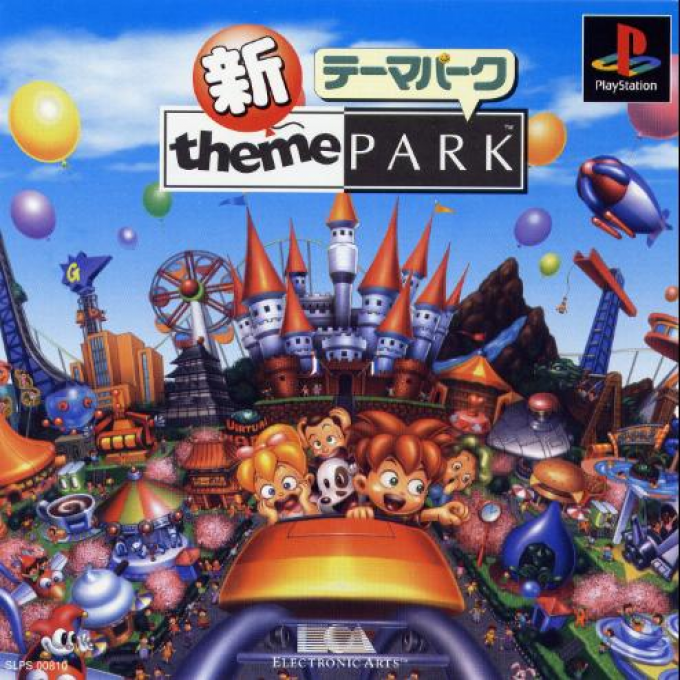
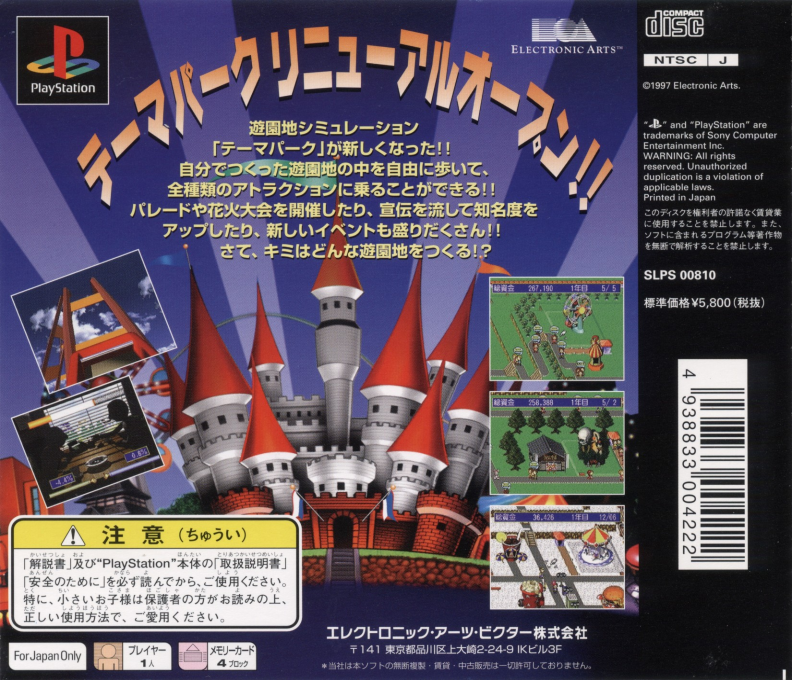
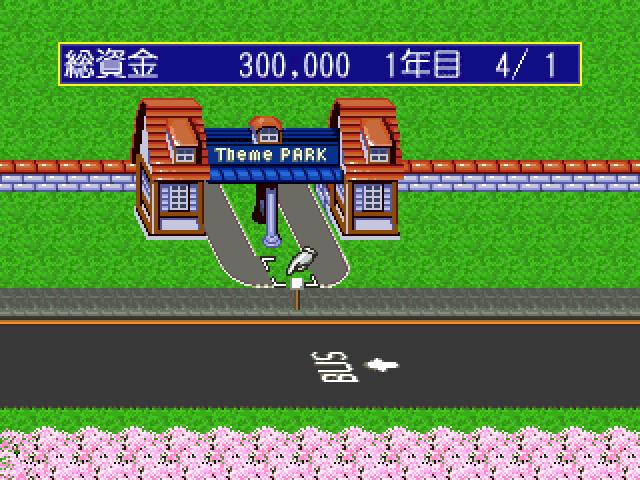
Shin Theme Park is a Japanese PlayStation management simulation released in Japan on April 11, 1997. Developed by TOSE and published by Electronic Arts Victor, it reworks Bullfrog's Theme Park for the Japanese market rather than serving as a straight conversion of the 1994 original. Known in Japanese as Shin Theme Park, or "New Theme Park," this single-player game puts the player in charge of turning an empty plot into a busy, profitable amusement destination. Its colorful, characterful presentation and localized redesign set it apart from the earlier Theme Park releases on console and computer.
A new park begins with land, a limited budget, and the basic tools needed to plan a visitor-friendly layout. Paths connect attractions, stalls, facilities, scenery, and support buildings, while admission charges and shop prices determine how money flows through the business. The central challenge is balancing spending with income: a park needs enough appealing rides to attract guests, but it also needs convenient food, drink, games, toilets, and attractive surroundings to keep them satisfied and spending. Every addition consumes funds, so expansion calls for careful decisions instead of simply filling the map with the most expensive attractions.
Rides range from small family diversions to larger headline attractions, including roller coasters whose tracks must be laid out by the player. Guests arrive, circulate around the park, and react to the conditions they find there, making placement and upkeep as important as construction. Entertainment, refreshment stands, and decorative objects help shape the atmosphere, while neglected paths, broken rides, or inadequate services can undermine the operation. The PlayStation controller interface adapts this point-and-select management format to a home console, giving the player direct control over menus, construction choices, and the placement of staff and park features.
Running the business extends beyond building. Mechanics, handymen, security guards, and entertainers all have jobs that affect the park's day-to-day condition, from ride maintenance and cleaning to protecting guests and providing spectacle. Research opens up further possibilities and can improve the operation, while the more demanding simulation settings ask the player to pay closer attention to supplies, negotiations, and finances. Players can adjust the level of management depth, allowing Shin Theme Park to emphasize either hands-on park design or a fuller business simulation with longer-term planning.
Progress is measured by building value, cash reserves, and the ability to move beyond an initial location. Successful parks can be sold so the player can begin again in other parts of the world, where local terrain, weather, land prices, and economic conditions change the planning problem. This structure gives the game a globe-spanning campaign feel: each new site is both a reward for good management and another opportunity to rethink the balance between thrill rides, guest comfort, staffing, and profit. The variable conditions also encourage players to adapt a familiar set of systems instead of relying on one fixed park layout.
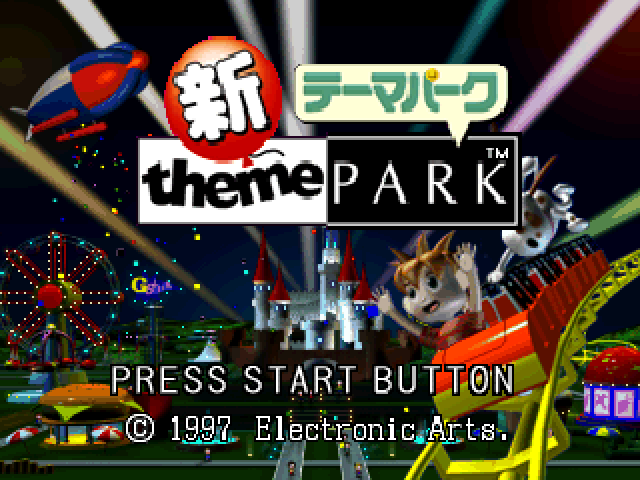
Although it shares the foundation of Bullfrog's Theme Park, Shin Theme Park has its own identity as a Japanese-market revision. Its visual style was overhauled into a cuter look, and it adds attractions and events tailored to this edition, including content that represents particular countries. It was released for both PlayStation and Sega Saturn on the same date, but this PlayStation entry specifically preserves the 1997 Japanese console release. Later budget reissues kept it available in Japan, making it a notable branch of Electronic Arts' Theme series: a localized reinvention built around the enduring pleasure of designing, operating, and refining an amusement park.
Gallery
Details
- Developer
- TOSE
- Publisher
- Electronic Arts
- Genre
- Management Simulation, Real-Time Strategy
- Players
- 1
- Release Date
- April 11, 1997
- System
- PS1