About
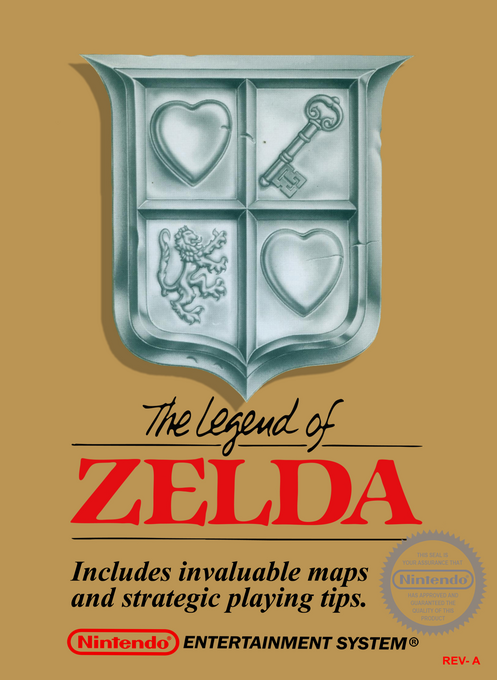
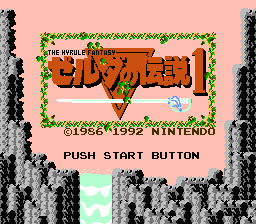
The Legend of Zelda for NES is Nintendo’s foundational action-adventure, released in North America in 1987 after first appearing in Japan on the Famicom Disk System in 1986. Developed and published by Nintendo, this single-player journey sends the young hero Link across the kingdom of Hyrule to rescue Princess Zelda from Ganon. Zelda has divided the Triforce of Wisdom into eight pieces to keep it from Ganon, and Link must recover every fragment before he can challenge the invading ruler.
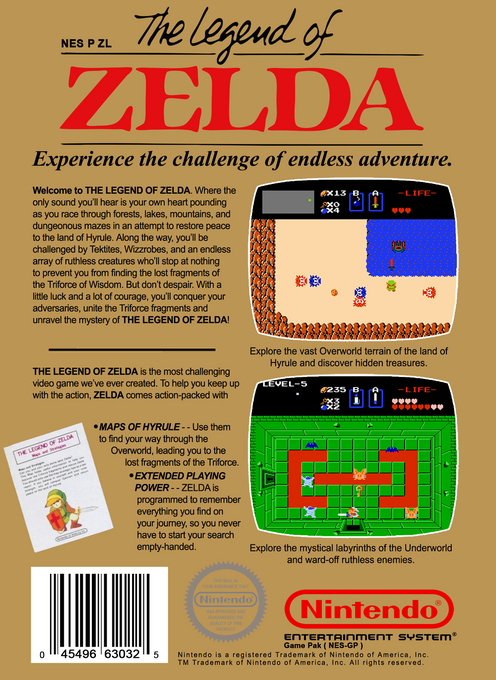
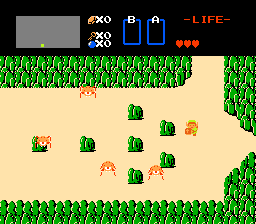
Viewed from above, the game begins with striking freedom. Link can step out into Hyrule’s connected overworld, choose a direction, and search its forests, coasts, mountains, deserts, graveyards, and caves at his own pace. His first essential stop is a cave where he receives a sword; from there, combat uses a simple but versatile toolkit of sword strikes, shield defense, and carefully chosen inventory items. A sword beam can be fired when Link is at full health, while hearts and heart containers make him more durable as the quest grows tougher.
The central objective is to find eight labyrinths scattered around the map. Each dungeon is a screen-by-screen maze of locked doors, enemy-filled rooms, hidden passages, and a guardian protecting one piece of the Triforce of Wisdom. Keys, maps, compasses, and newly found tools help reveal each labyrinth’s layout and open new options. A boomerang can stun foes and collect distant pickups, bombs expose certain barriers, and other equipment lets Link overcome obstacles that were previously out of reach.
Exploration matters as much as fighting. Rupees gathered from enemies and hidden places can be spent in shops, while caves may conceal information, equipment, or hazards. Some routes are obvious, but many secrets are tucked behind scenery or uncovered by using an item in the right place. Because the overworld does not force one fixed path through every discovery, the NES game rewards attention to landmarks and experimentation with its growing collection of tools.
After Link has assembled the Triforce of Wisdom, the final route leads to Death Mountain and a ninth dungeon where he confronts Ganon. The story established Hyrule, Link, Zelda, Ganon, Impa, and the Triforce as recurring elements of the series, but its immediate appeal comes from the changing relationship between player knowledge and the game world. What begins as an unfamiliar landscape gradually becomes a navigable kingdom full of remembered paths, useful shortcuts, and newly meaningful clues.
The NES release is also known for its battery-backed save feature, allowing players to retain progress without relying on passwords. Completing the adventure unlocks the Second Quest, a harder follow-up with rearranged dungeon layouts, relocated secrets, and stronger opposition. That extra challenge gives the same cartridge a substantially different second run rather than simply restarting the original map.
The Legend of Zelda launched a long-running Nintendo series and helped define the shape of console action-adventure games. Its mix of real-time combat, inventory-based problem solving, dungeon exploration, and an open-ended overworld remains closely associated with the name Zelda. For players exploring the series’ origins, the NES original offers the first version of its enduring search for hidden places, essential tools, and a way forward through Hyrule.
Gallery
Details
- Developer
- Nintendo
- Publisher
- Nintendo
- Genre
- JRPG
- Players
- 1
- Release Date
- July 1, 1987
- System
- NES