About
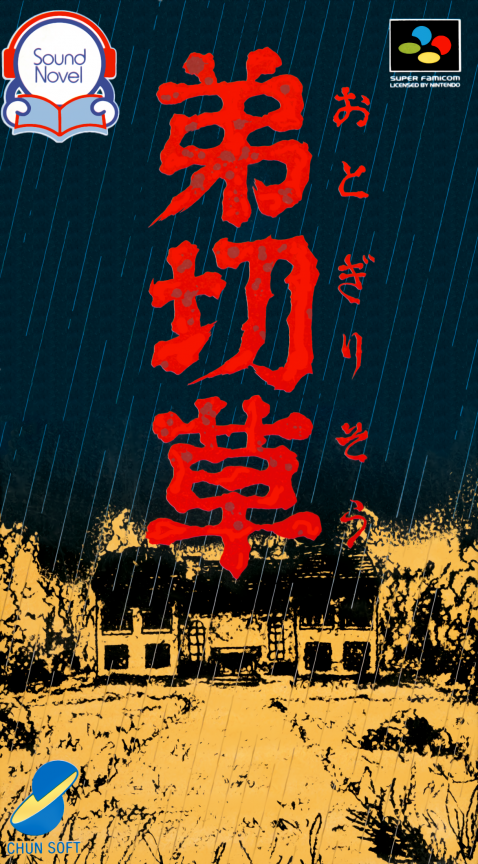
Otogirisō is a Japanese Super Famicom sound novel from Chunsoft, released in Japan on March 7, 1992. Developed and published by Chunsoft under the direction of company founder Koichi Nakamura, it turns a supernatural mansion mystery into a choice-driven reading experience. The title refers to St. John’s wort, a flower that becomes an important recurring image in its story. It was released for Nintendo’s Japanese 16-bit system rather than as a Western SNES edition, and its Japanese text and presentation place it firmly among the era’s domestic adventure games.
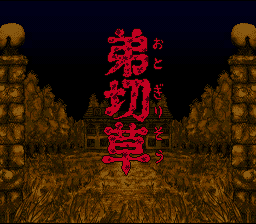
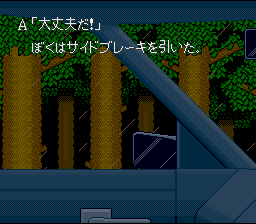
The story begins on a rain-lashed forest road. After the protagonist and his girlfriend Nami are forced to stop their car, lightning brings down a tree and leaves them stranded. A light in the distance leads them to an isolated Western-style mansion, where an unsettling sequence of sounds, apparitions, locked rooms, and clues quickly makes shelter feel more dangerous than the storm outside. As the pair searches the house, the mystery increasingly connects Nami to the property and the people who lived there.
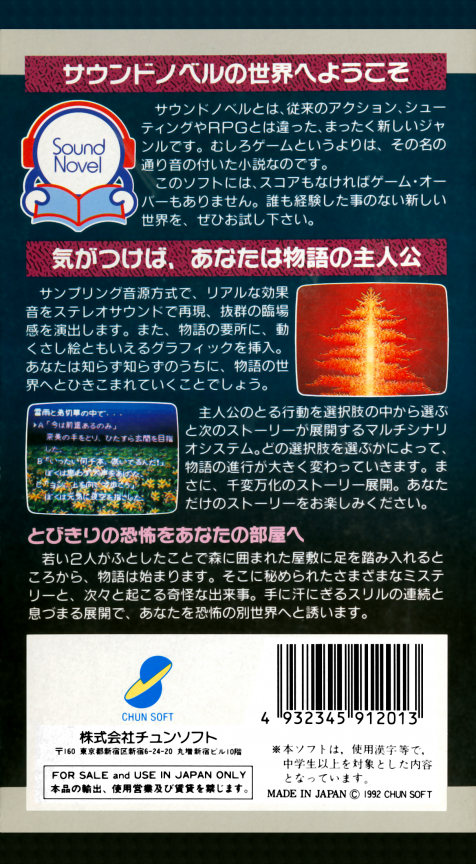
Rather than steering a character through rooms with a traditional action interface, players read the narrative and select responses at crucial branch points. These menu choices determine how the investigation proceeds, which details come to light, and which conclusion is reached. The design makes the player’s decisions the central form of interaction: a cautious answer, a reckless one, or an apparently comic response can redirect the evening in the mansion. The game is single-player, with its tension built through pacing, text, and the consequences of successive choices.
Chunsoft called this approach a Sound Novel. Illustrated backgrounds accompany the prose, while music and effects such as creaking doors, footsteps, weather, and screams help establish the scene. The Super Famicom hardware was used for animated picture effects as well as stereo sound, giving key moments a more immediate presence than a text-only adventure. This blend of on-screen prose, atmospheric art, and audio is the game’s defining feature, making the act of continuing to the next passage part of its suspense.
Otogirisō is designed for replay. After an ending, players can begin again and encounter newly available choices, opening routes and conclusions that were unavailable on an earlier pass. The game also records progress through endings and choices, encouraging readers to explore the narrative’s different possibilities rather than treating one resolution as the sole finish line. Once the standard endings have been seen, additional material becomes available, adding a further reason to revisit the mansion and test alternate decisions.
Its development grew from Nakamura’s desire to make something approachable for people who did not already play complex video games. Chunsoft was simultaneously known for its work on Dragon Quest, but Otogirisō deliberately moved away from fantasy role-playing and toward contemporary horror. Scenario work was led by screenwriter Shukei Nagasaka, and the team expanded the presentation with background artwork after early feedback indicated that a more visually expressive format would help communicate the concept.
Otogirisō also marked a business milestone for Chunsoft as its first self-published game. It became a major early example of the company’s Sound Novel line and was followed by later Chunsoft narrative games, including Banshee’s Last Cry. A PlayStation remake, Otogirisō: Sosei-hen, arrived in Japan in 1999 with revised audiovisual material and an additional perspective, but the 1992 Super Famicom version remains the original: a branching horror story whose flowers, storm, and haunted house established the format’s identity.
Gallery
Details
- Developer
- Chunsoft
- Publisher
- Chunsoft
- Genre
- Other Adventure
- Players
- 1
- Release Date
- March 7, 1992
- System
- SNES