About
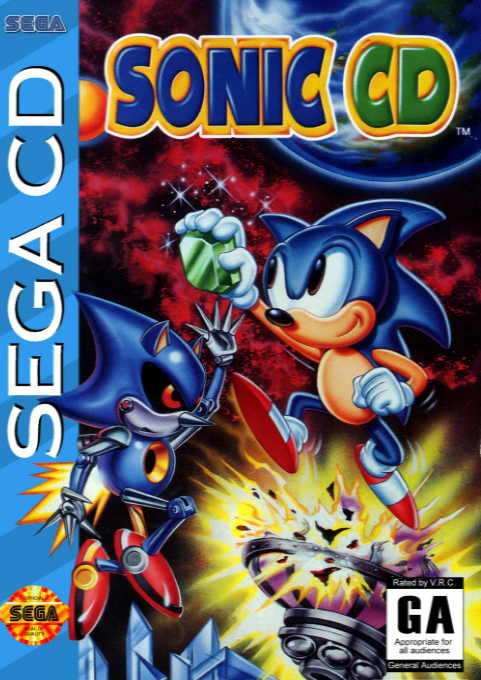
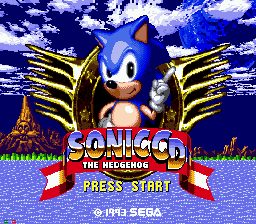
Sonic the Hedgehog CD is a 1993 side-scrolling platform game developed and published by Sega for the Sega CD. Sonic travels to Little Planet, a mysterious world that appears above Never Lake for one month each year, after Dr. Robotnik chains it down and begins turning it into a mechanical fortress. Robotnik is seeking the seven Time Stones, while Amy Rose is captured by his newly created robotic rival, Metal Sonic.
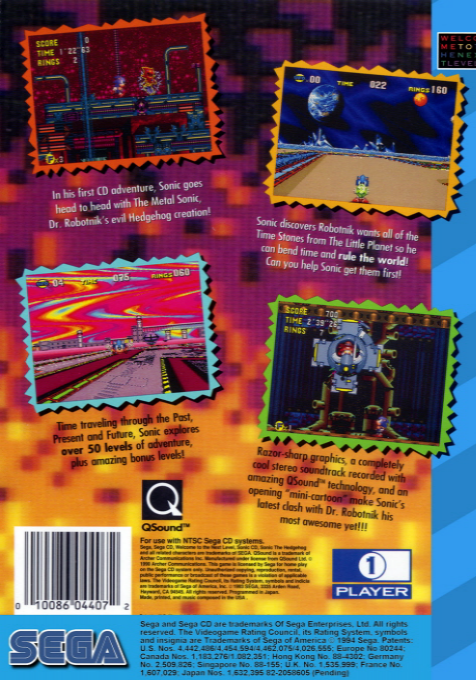
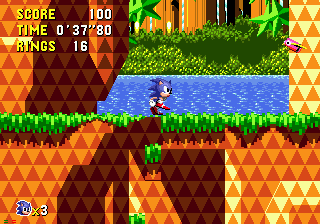
The game follows the fast-paced run, jump, ring-collecting formula established by the original Sonic the Hedgehog. Sonic can defeat enemies and break many objects by curling into a ball, and he can build speed with techniques such as the Spin Dash and the Super Peel Out. Each of the seven main stages is divided into three zones, with Robotnik battles closing the third zone.
Its defining mechanic is time travel. Signs marked Past or Future allow Sonic to move between versions of a stage when he maintains enough speed after passing one. Levels have distinct past, present, and future forms, including altered layouts, visuals, and music. The default future often shows the effects of Robotnik's conquest, but changing history can restore a brighter Good Future.
Players can improve a zone's future by reaching its past and destroying a hidden robot generator and hologram projector. Collecting all seven Time Stones has a similar effect across the game and helps unlock the best ending. Special stages become available by finishing a level with enough rings, challenging Sonic to destroy UFOs in a timed, pseudo-3D arena.
Sonic CD introduced Amy Rose and Metal Sonic, both of whom became recurring characters in the wider Sonic series. The game also uses the Sega CD's storage and audio capabilities for animated opening and ending sequences and a CD-quality soundtrack. Its regional releases are notable for having different musical scores, with the Japanese and European release using music by Naofumi Hataya and Masafumi Ogata and the North American version featuring a separate score led by Spencer Nilsen.
Originally conceived as an enhanced Sonic the Hedgehog port, the project grew into its own adventure under director Naoto Ohshima. Its stages place more emphasis on exploration and revisiting different time periods than many earlier Sonic games, rewarding players who search for hidden objects and alternate routes. The game was Sega CD's best-selling title, selling more than 1.5 million copies.
Sonic CD has since been re-released in several forms, including a Windows version, an appearance in Sonic Gems Collection, and a 2011 remake built with the Retro Engine. The remake added widescreen support, smoother time travel behavior, both major soundtrack options, and additional playable content while preserving the original game's central time-travel structure.
Gallery
Details
- Developer
- Sonic Team
- Publisher
- SEGA
- Genre
- Platformer
- Players
- 1
- Release Date
- November 19, 1993
- System
- Sega CD