About
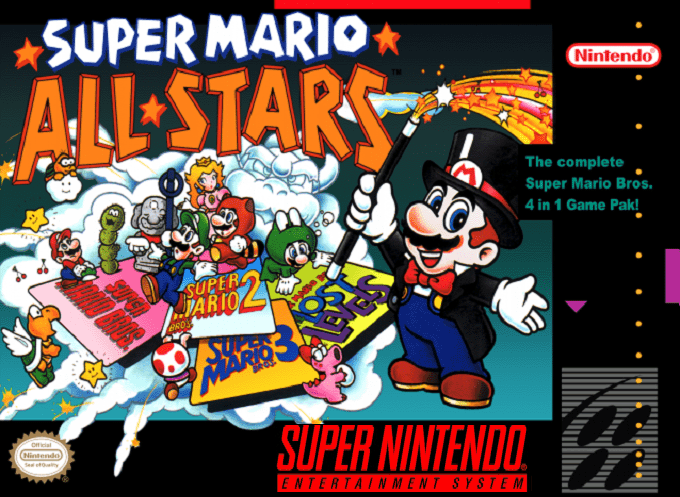
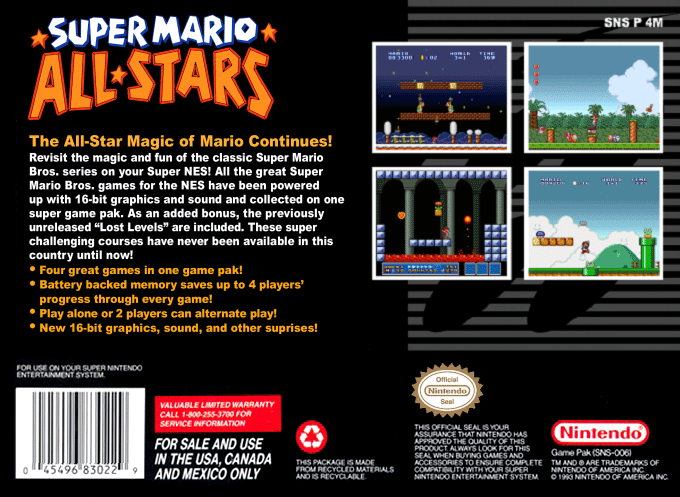
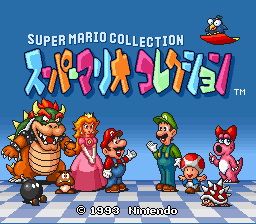
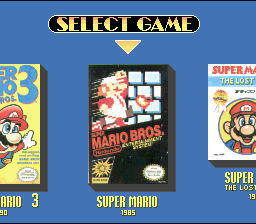
Super Mario All-Stars for the Super Nintendo Entertainment System is Nintendo’s 1993 compilation of four rebuilt 8-bit Mario adventures. Developed and published by Nintendo, it brings Super Mario Bros., Super Mario Bros.: The Lost Levels, Super Mario Bros. 2, and Super Mario Bros. 3 together on one 16-bit cartridge. Known in Japan as Super Mario Collection, the release is more than a menu of the original games: their familiar courses and goals were re-created for the SNES with new artwork, enhanced sound, and battery-backed saves. It offers a broad tour of Mario’s early side-scrolling platform games while retaining the individual identity of each entry.
Across the collection, players guide Mario and, in applicable modes, Luigi through themed worlds of plains, underground passages, water, fortresses, and castles. The recurring aim in Super Mario Bros., The Lost Levels, and Super Mario Bros. 3 is to reach the end of each stage, overcome Bowser’s forces, and rescue Princess Toadstool. Movement is built around the Control Pad, jumping, and running; players learn to judge momentum, clear gaps, hit blocks from below, enter pipes, and use items found along the way. Mushrooms, Fire Flowers, Stars, coins, and extra lives reward exploration, while enemy contact, hazards, falls, and time limits make careful platforming essential.
The four games provide markedly different takes on that basic foundation. Super Mario Bros. establishes the direct run-and-jump journey through the Mushroom Kingdom, while The Lost Levels uses closely related controls for a considerably more demanding challenge; its Mario and Luigi options have different movement traits. Super Mario Bros. 2 lets players choose Mario, Luigi, Princess Toadstool, or Toad, then defeat foes by lifting and throwing vegetables and other objects in the dream world ruled by Wart. Super Mario Bros. 3 adds an overworld map, stage choices and item storage, as well as transformations such as Raccoon Mario through the Super Leaf. Its two-player mode alternates turns between Mario and Luigi and includes a Mario Bros. battle option.
The SNES remakes preserve the original games’ recognizable routes, secrets, and objectives, but Nintendo redesigned their presentation for the newer hardware. Colorful character art, richer backgrounds, scrolling effects, and rearranged music give each game a different visual and audio character from its NES or Famicom predecessor. The collection’s interface also makes switching between titles straightforward and supports four battery-backed save files per game. From a game-over or pause screen, players can continue, save and continue, or save and quit; the save behavior varies by title, with The Lost Levels allowing progress to be retained at a world and level.
Super Mario All-Stars also made The Lost Levels available within the package outside its original Japanese Famicom Disk System context, giving the compilation special value for players encountering that tougher sequel for the first time. A later 1994 cartridge, Super Mario All-Stars + Super Mario World, is a separate expanded release that adds Super Mario World and should not be confused with this four-game edition. For the original SNES library, All-Stars remains a focused snapshot of the series’ formative 2D design: four connected but distinct platform games, updated for 16-bit hardware and organized as a single Mario collection.
Gallery
Details
- Developer
- Nintendo
- Publisher
- Nintendo
- Genre
- Compilation
- Players
- 1-2
- Release Date
- August 1, 1993
- System
- SNES